
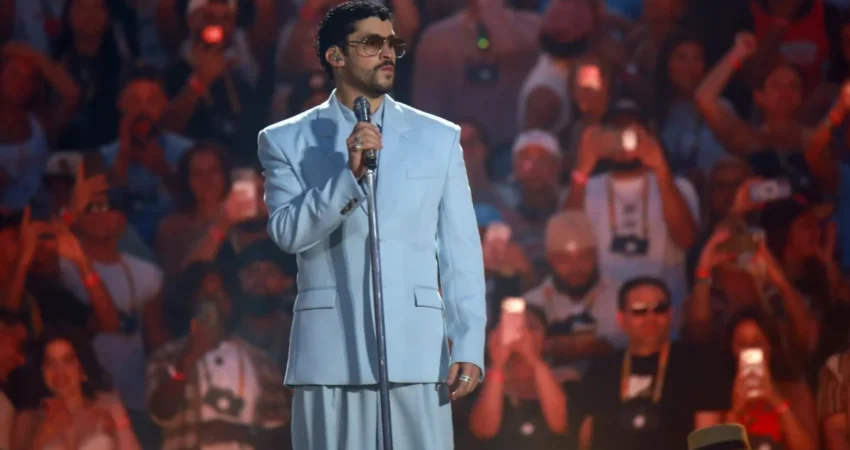
The cultural phenomenon that is Bad Bunny, born Benito Antonio Martínez Ocasio, cannot be fully appreciated without a deep understanding of his homeland, Puerto Rico. While the global superstar has consistently woven the island into the fabric of his music, visual artistry, and fashion, a non-Spanish speaking audience may have previously experienced a disconnect, grasping the melodies and cultural impact but missing the nuanced language of his heritage. This report delves into the profound connection between Bad Bunny and Puerto Rico, exploring how his journey from the island to global stardom is intrinsically linked to its rich musical traditions, vibrant communities, and enduring spirit.
Bad Bunny’s ascent is not merely that of an artist from Puerto Rico; he has evolved into one of the island’s most potent cultural ambassadors. Through his music, fashion choices, and visual storytelling, he effectively transports elements of Puerto Rican life to a worldwide audience. For those seeking to comprehend the depth of his artistry, immersing oneself in the world that shaped him—Puerto Rico—offers the most insightful starting point. This exploration aims to bridge that gap, moving beyond a literal translation of lyrics to an understanding of the environment that birthed them.
Tracing the Rhythms of a Nation
The journey into understanding Bad Bunny’s roots begins with the very sounds that have defined Puerto Rican contemporary music. A dedicated Reggaetón Tour, guided by entities like CL Tours, offers a historical traversal through the streets of Old San Juan. This immersive experience illuminates the intricate tapestry of influences—African, Caribbean, Indigenous, and Spanish—that have collectively sculpted Puerto Rico’s distinctive musical identity. Tracing these roots often leads to significant historical sites, such as the former location of Noise, a legendary club intrinsically linked with DJ Negro and a pivotal era in the development of Puerto Rican urban music. This era laid the foundational groundwork for subsequent generations of artists, including the trailblazing Vico C, widely regarded as the godfather of Puerto Rican hip-hop, whose pioneering work paved the way for artists like Bad Bunny.
Beyond the driving beats of reggaetón, another vital musical language emerges: bomba. Through collaborations with cultural organizations like Isla Caribe, participants can witness and even engage with the complex dialogue between dancers and drummers that defines this Afro-Puerto Rican rhythm. In bomba, the dancer’s movements actively guide the percussionists in real-time, creating a fluid and responsive musical conversation. The experience of sitting behind the drums and feeling this dynamic interplay underscores a powerful form of communication, one deeply embedded in rhythm, movement, and a rich historical lineage, even without a shared linguistic understanding.
Echoes from the Mountains: A Historic Musical Sanctuary
The exploration of Puerto Rico’s musical soul extends beyond the coastal cities, reaching into the island’s verdant interior. In the mountains of Cayey, the Casa Histórica de la Música en Cayey stands as a testament to the profound integration of music within Puerto Rico’s community fabric. This historic site holds a particularly significant connection to Bad Bunny, as it was chosen for an intimate listening party and release celebration for his 2025 Grammy-winning album, YHLQMDLG. It was from the balcony of this very site that he performed new music, solidifying its place in his contemporary artistic narrative. The outfit he wore that momentous night is now a preserved artifact within the Casa Histórica, transforming a piece of his recent history into an integral element of the island’s living musical heritage. This integration of contemporary artistry within historical context highlights the enduring power and continuous evolution of Puerto Rican musical traditions.
"Cerramos en Casa": A Homecoming of Epic Proportions
The culmination of Bad Bunny’s record-breaking YHLQMDLG World Tour saw him return to his roots for the final two performances at San Juan’s Hiram Bithorn Stadium. This highly anticipated Puerto Rican residency, aptly named "No Me Quiero Ir de Aquí" (I Don’t Want to Leave This Place), had already cemented its status as a landmark event for the island. The concluding shows, branded as "Cerramos en Casa" (We Close at Home), transformed the concert experience into something even more profoundly personal: a true homecoming celebration.
These concerts were not merely the end of a global tour; they represented a triumphant affirmation of Puerto Rican identity and artistry on a grand scale. The energy emanating from the stadium was palpable, a collective expression of pride and shared cultural heritage. For attendees, both local and international, the "Cerramos en Casa" shows offered a unique opportunity to witness Bad Bunny not just as a global icon, but as a son of Puerto Rico, celebrating his success within the landscape that nurtured his vision.
Key Moments from "Cerramos en Casa" Night Two
While the full experience of "Cerramos en Casa" Night Two transcended individual moments, several instances stood out, particularly for an observer beginning to grasp the cultural underpinnings of Bad Bunny’s artistry. These moments, experienced through a lens of developing understanding, offered profound insights into the artist’s connection with his homeland and his audience.
1. The Grand Entrance: A Visual and Auditory Overture
The opening of the show was a masterclass in setting the tone. A dramatic visual introduction, likely incorporating imagery and sounds deeply resonant with Puerto Rican culture, immediately immersed the audience. This was not just an entrance; it was a declaration of presence, a powerful statement of return and belonging. The sheer scale of the production, coupled with the immediate roar of the crowd, signaled the immense anticipation and affection the island held for its prodigal son.
2. "Yo Perreo Sola": An Anthem Reimagined in Its Homeland
Performing "Yo Perreo Sola" in Puerto Rico carried an amplified significance. This anthem of female empowerment and self-expression, already a global hit, resonated differently on its home soil. The crowd’s enthusiastic participation, singing along with every word, underscored the song’s impact beyond its lyrical content, touching upon themes of liberation and confidence that likely held particular resonance within the island’s cultural context.
3. A Tribute to Reggaetón’s Pioneers: Honoring the Foundation
Bad Bunny’s sets often include nods to the artists who paved the way for his success. During "Cerramos en Casa," a segment dedicated to the pioneers of reggaetón, perhaps featuring samples or dedications to figures like Vico C or Daddy Yankee, would have been a powerful moment of intergenerational respect. This acknowledgment of musical lineage reinforces the idea that Bad Bunny’s artistry is built upon a rich historical foundation, a sentiment that would undoubtedly be appreciated by a Puerto Rican audience deeply invested in their musical heritage.
4. "La Canción": An Emotional Connection Unveiled
The performance of "La Canción," a deeply emotional ballad, offered a window into the more introspective side of Bad Bunny’s artistry. Witnessing the audience’s collective response, the unified singing and emotional engagement, transcended language barriers. It highlighted the universal power of music to evoke shared feelings of love, loss, and longing, demonstrating how the raw emotion conveyed by Bad Bunny connects with listeners on a fundamental human level.
5. Surprise Guests: A Celebration of Island Talent
The inclusion of surprise guest appearances from fellow Puerto Rican artists would have been a significant highlight. Such collaborations not only electrify the audience but also serve as a powerful showcase of the vibrant and interconnected artistic community within Puerto Rico. These moments underscore Bad Bunny’s commitment to his fellow islanders and amplify the celebratory atmosphere of the homecoming.
6. Visual Storytelling: Beyond the Music
Bad Bunny’s concerts are renowned for their elaborate visual productions. During "Cerramos en Casa," the stage design, lighting, and video elements likely incorporated imagery and symbols deeply rooted in Puerto Rican culture and history. These visual narratives would have added layers of meaning to the performances, offering a richer context for the music and further solidifying the connection between the artist and his homeland, even for those not fully comprehending the Spanish lyrics.
7. The Encore: A Farewell of Unforgettable Magnitude
The encore performance, often reserved for the most beloved hits, would have served as the ultimate crescendo of the night. The sheer energy and collective euphoria of the crowd singing along to anthems like "Callaíta" or "Dákiti" would have been an unforgettable experience. This final outpouring of appreciation and shared joy encapsulated the essence of "Cerramos en Casa"—a powerful and emotional closing chapter for a global tour, celebrated on the very ground that inspired it all.
The Implications of a Cultural Ambassador
Bad Bunny’s role extends beyond that of a successful musician; he has become a de facto cultural ambassador for Puerto Rico. His global platform allows him to highlight the island’s challenges and triumphs, its resilience and beauty. The "Cerramos en Casa" residency, in particular, served as a powerful economic and cultural boost for Puerto Rico, drawing international attention and showcasing the island’s capacity for hosting large-scale events. Furthermore, by grounding his global success in his Puerto Rican identity, Bad Bunny contributes to a broader understanding and appreciation of Latin American culture worldwide. His influence encourages a deeper engagement with the music, art, and traditions of the island, fostering a sense of pride among Puerto Ricans and curiosity among international audiences. The ongoing discourse surrounding his work and its connection to Puerto Rico underscores the potent synergy between artistic expression and national identity in the 21st century. As Bad Bunny continues to evolve, his relationship with Puerto Rico remains a central narrative, enriching his artistry and solidifying his legacy as a global icon deeply rooted in his heritage.

0 Comments