
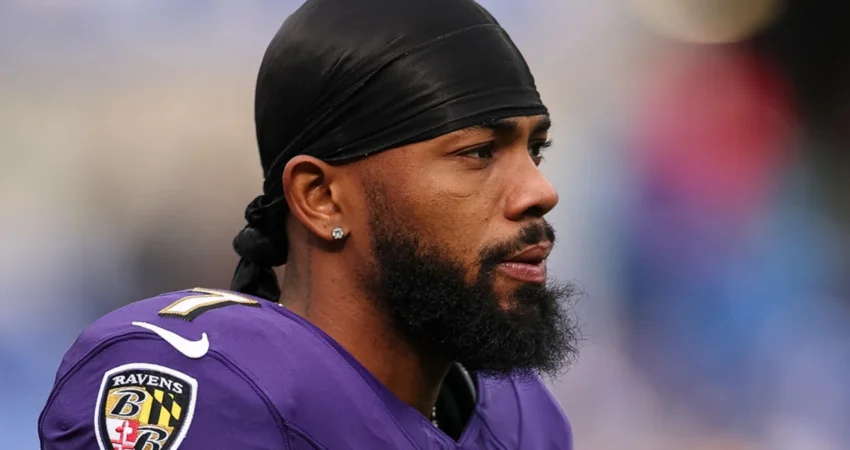
In a significant development that could reshape the legal landscape for Baltimore Ravens wide receiver Rashod Bateman, Marissa Crumley, the mother of his child, has formally recanted her initial allegations of physical assault, stating that Bateman never shoved her into a wall or physically harmed her. This retraction, communicated to a prosecutor just five days after the alleged June incident, introduces considerable complexity into the ongoing family violence case, prompting questions about the initial police report, the dynamics of domestic disputes, and the subsequent legal and professional implications for the NFL athlete.
The Genesis of Allegations and Subsequent Recantation
The initial allegations against Rashod Bateman stemmed from an incident reported on June 3, 2026. According to early police accounts, Crumley had informed authorities that Bateman allegedly shoved her into a corner wall during an argument at their shared residence. The situation escalated further when she claimed he later used a screwdriver in an attempt to puncture her rear tire and subsequently smash the windshield and driver-side window of her Mercedes-Benz. Alarmingly, their infant daughter was reportedly present in the vehicle during this alleged act of vandalism. The police report detailed that shattered glass from the damaged vehicle caused cuts to Crumley’s face, necessitating medical attention for both her and the child, although EMS found no apparent injuries to the infant. These claims quickly drew public attention, particularly given Bateman’s high-profile status as a professional athlete.
However, the narrative began to shift dramatically on June 8, 2026, when Marissa Crumley dispatched an email to the prosecutor assigned to the case. In this communication, which Bateman’s attorneys subsequently authorized for release to the media, Crumley asserted her desire to convey the "true side of the story." Crucially, she explicitly recanted her allegation of physical assault, writing, "He did not push me or put hands on me in any way." Crumley further claimed that the bruises and marks observed on her face were "self-inflicted out of emotion and frustration," not the result of Bateman’s actions. She attributed her initial, contradictory statements to being upset and wanting to "get Bateman in trouble," also alleging that officers had pressured her into identifying Bateman and invaded her privacy by lifting her head wrap to photograph her facial marks. This stark reversal introduces a profound challenge to the prosecution’s case and sheds light on the often-turbulent and emotionally charged nature of domestic disputes.
A Chronology of Events
Understanding the sequence of events is critical to appreciating the evolving nature of this case:
- June 3, 2026: The alleged initial domestic incident occurs at the shared residence of Rashod Bateman and Marissa Crumley. Crumley reports to law enforcement that Bateman physically assaulted her by shoving her into a wall and later damaged her vehicle with a screwdriver while their infant daughter was present. A police report detailing these allegations is filed, leading to an investigation.
- June 8, 2026: Marissa Crumley sends an email to the prosecutor handling the case, formally retracting her allegations of physical assault. She states that Bateman never laid hands on her and that her initial statements were made under duress and emotional distress, with injuries being self-inflicted.
- Between June 8 and August 21, 2026: Despite Crumley’s recantation, the legal process continues. Law enforcement or the prosecutor’s office likely reviews the initial report and the subsequent recantation. It is possible that the recantation was not immediately accepted as sufficient grounds to drop the case, or that other evidence (such as the property damage or independent observations by police) supported continued investigation.
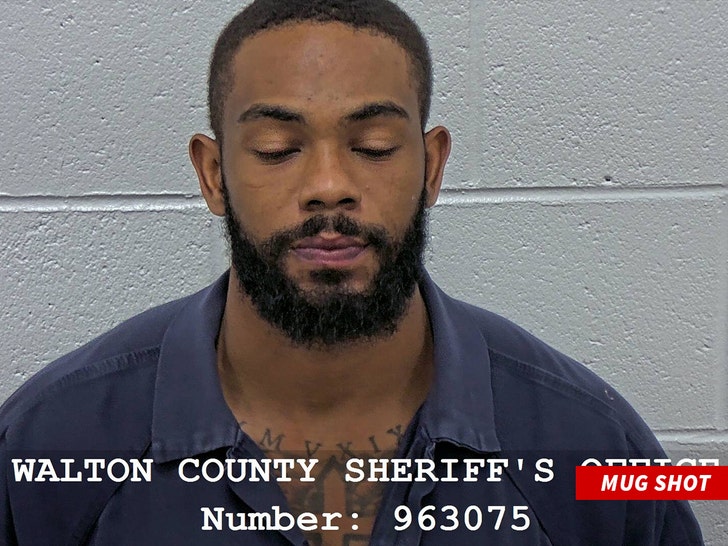
- August 21, 2026: Rashod Bateman is arrested on charges related to family violence. This arrest occurs more than two months after Crumley’s recantation was submitted to the prosecutor, indicating that legal authorities proceeded with charges based on the initial police report, at least in part, or that the recantation did not immediately nullify the grounds for arrest.
- August 24, 2026: News breaks detailing Marissa Crumley’s June 8 recantation, bringing this crucial development into the public sphere and significantly altering the perception of the ongoing legal proceedings.
This timeline highlights a complex interplay between initial allegations, a swift recantation, and an arrest that followed weeks later, suggesting a thorough, albeit perhaps prolonged, legal evaluation of all available information by authorities.
The Legal Labyrinth: Implications of a Recantation
The recantation by a primary accuser in a domestic violence case presents significant challenges for prosecutors. While it does not automatically lead to the dismissal of charges, it severely weakens the prosecution’s ability to secure a conviction. Prosecutors typically rely heavily on victim testimony, and a recantation undermines the credibility of that testimony. However, legal systems are designed to protect victims, and prosecutors are often wary of recantations, understanding that victims may withdraw allegations due to various factors, including fear of reprisal, economic dependence on the accused, a desire to keep the family intact, or emotional manipulation.
In such cases, prosecutors must assess whether there is sufficient independent evidence—such as corroborating witness statements, physical evidence (photos of damage, medical records, police bodycam footage), or admissions by the accused—to proceed without the victim’s cooperation or with a hostile witness. The alleged property damage to the vehicle, distinct from the physical assault claim, might still stand as a separate charge, as would the presence of the infant during the alleged incident, potentially elevating the severity of any charges.
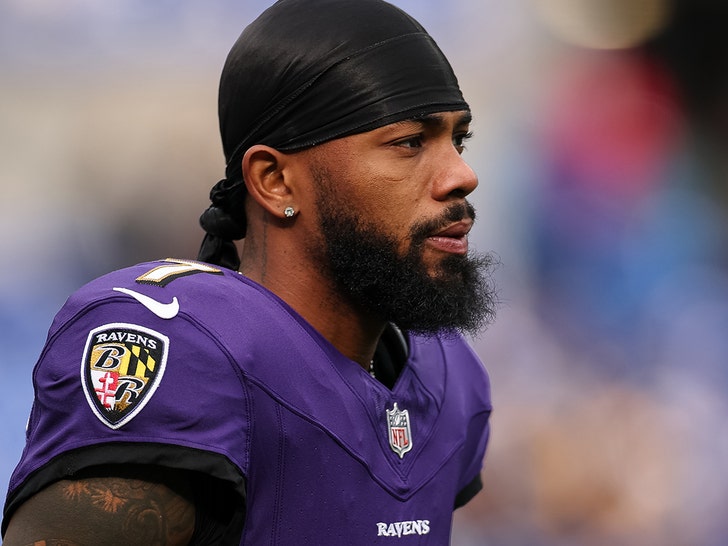
Marissa Crumley’s explanation for her recantation—citing police pressure, invasion of privacy, and emotional frustration leading to self-inflicted injuries and a desire to "get Bateman in trouble"—further complicates the judicial process. These claims could potentially be used by the defense to challenge the initial police investigation and the validity of the initial report. Conversely, prosecutors might investigate whether Crumley herself could face charges for filing a false report, though such charges are rarely pursued against alleged domestic violence victims due to the sensitive nature of these cases and the potential for discouraging future reporting. The current legal status of the charges against Bateman remains fluid, with the recantation likely prompting a re-evaluation by the prosecutor’s office regarding the viability of continuing the prosecution.
Rashod Bateman’s Professional Future: The NFL’s Stance
Beyond the legal courtroom, Rashod Bateman faces the scrutiny of the National Football League (NFL) and its robust Personal Conduct Policy. The NFL’s policy is designed to address a wide range of behaviors that could undermine public confidence in the league, including domestic violence. Notably, the NFL can impose disciplinary action, including fines and suspensions, even if criminal charges are reduced or dismissed, or if a player is acquitted. The league operates under a "conduct detrimental" standard, meaning that actions deemed harmful to the integrity of the NFL can result in penalties regardless of the legal outcome.
The NFL has a history of taking a firm stance on domestic violence allegations, especially following high-profile cases like those involving Ray Rice and Ezekiel Elliott. While the specifics of each case vary, the league often conducts its own independent investigation to determine whether a player has violated the Personal Conduct Policy. Factors considered typically include the nature of the allegations, corroborating evidence, and the player’s cooperation with the investigation. Even with Crumley’s recantation, the initial police report and the circumstances surrounding the alleged car damage, particularly with an infant present, could still trigger a review by the league office.
Bateman, a first-round draft pick for the Baltimore Ravens in 2021, has been a key component of their offense. Any potential suspension would not only impact his career trajectory but also the team’s performance, especially as the season approaches. The Ravens typically adhere to the NFL’s guidelines in such matters, often refraining from public comment until the league’s investigation is complete or legal proceedings reach a definitive conclusion. Bateman’s attorney, Jordan Siev, had previously stated that the situation had been "taken completely out of context for sensational reasons" and expressed confidence that "the facts will come out at that time," a sentiment that now aligns more closely with the recantation.
Broader Societal Context: Domestic Violence Dynamics
The complexities of the Bateman-Crumley case underscore the broader societal challenges inherent in addressing domestic violence. Recantations by victims are a common, albeit deeply problematic, aspect of these cases. Studies and victim advocacy organizations highlight numerous reasons why individuals might recant or withdraw cooperation from law enforcement and prosecutors. These can include:
- Fear: Victims may fear further violence or retaliation from the abuser or their family.
- Economic Dependence: Financial reliance on the abuser can make it difficult for a victim to pursue legal action, especially if it jeopardizes their source of income or housing.
- Desire for Family Preservation: A victim may prioritize keeping the family unit together, particularly when children are involved, hoping for reconciliation or a change in behavior.
- Emotional Manipulation: Abusers often employ tactics of manipulation, guilt, or promises of reform to pressure victims into recanting.
- Trauma and Confusion: The traumatic nature of abuse can lead to emotional distress, confusion, and a desire to minimize or deny the events.
- Mistrust of the System: Some victims may feel alienated or pressured by law enforcement or the legal system, leading them to withdraw cooperation.
Marissa Crumley’s stated reasons for recanting—emotional frustration, wanting to "get Bateman in trouble," and feeling pressured by police—resonate with some of these common patterns. While her current statement emphasizes mutual love and a desire to move forward in a healthier way for their daughter, it also highlights the profound emotional turmoil that can accompany such relationships. Victim advocacy groups consistently emphasize the importance of believing survivors and providing comprehensive support, acknowledging that the path to safety and justice is rarely linear.
The Path Forward
As the legal proceedings unfold, all eyes will be on the prosecutor’s next steps. The recantation significantly alters the evidentiary landscape, making it difficult to proceed with charges of physical assault. However, charges related to property damage and child endangerment (given the infant’s presence during the alleged car attack) may still be pursued, depending on the available evidence. The defense will undoubtedly leverage Crumley’s recantation to argue for the dismissal of all charges.
Simultaneously, the NFL’s internal investigation will proceed, operating independently of the criminal justice system. Even if all legal charges against Bateman are dropped, the league could still impose sanctions based on its own findings regarding whether his conduct violated the Personal Conduct Policy.

The case of Rashod Bateman and Marissa Crumley serves as a stark reminder of the complexities surrounding allegations of domestic violence, the intricate legal and professional consequences for public figures, and the challenging emotional terrain navigated by those involved. The shift in testimony necessitates a careful and thorough review by all parties, ensuring that justice is served while acknowledging the sensitive and often contradictory nature of human relationships under duress. The coming weeks will likely bring further clarity as the legal system grapples with this dramatic turn of events.

0 Comments