
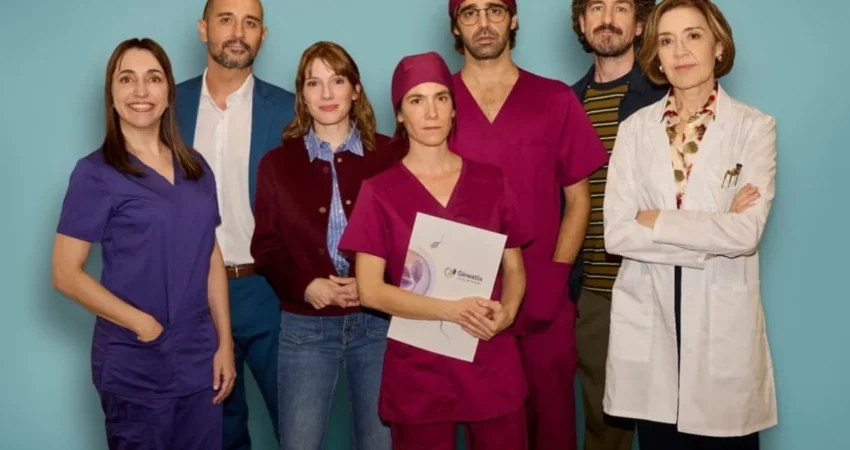
The deeply personal experience of navigating assisted reproduction has blossomed into a significant television project, with the six-episode series "In Vitro" poised to make its debut. This ambitious production, born from the lived reality of Marc Crehuet and Alejandra Guimerà, who welcomed a child through in vitro fertilization a decade ago, is set to premiere on 3Cat and HBO Max in the autumn of 2026. Prior to its broader release, the series will receive its inaugural public screening at the Santander Film Festival on September 13th.
A Deep Dive into Assisted Reproduction: Uncharted Territory for Spanish Fiction
"In Vitro" is set against the backdrop of a fertility clinic in Barcelona, focusing on Blanca, an embryologist whose professional dedication becomes intertwined with the complex emotional, ethical, and scientific landscapes faced by individuals and couples undergoing fertility treatments. The series aims to explore the "gray areas" of assisted reproduction, a subject that has historically been touched upon in Spanish fiction only peripherally or as a minor plot device. This six-part drama, with each episode running approximately 40 minutes, promises a nuanced and in-depth examination of a topic that affects a significant portion of the population.
Director Marc Crehuet, a filmmaker from Cantabria, articulated the genesis of the project, stating, "The idea was born from observing how little assisted reproduction is discussed in depth in fiction, and how much ignorance or stigma surrounds it. We were interested in showing the gray areas: the emotional, the ethical, the scientific, and the human." This statement underscores the series’ commitment to authenticity and its roots in personal experience, suggesting a narrative crafted from an intimate understanding of the subject matter.
A Stellar Cast Tackles Complex Themes
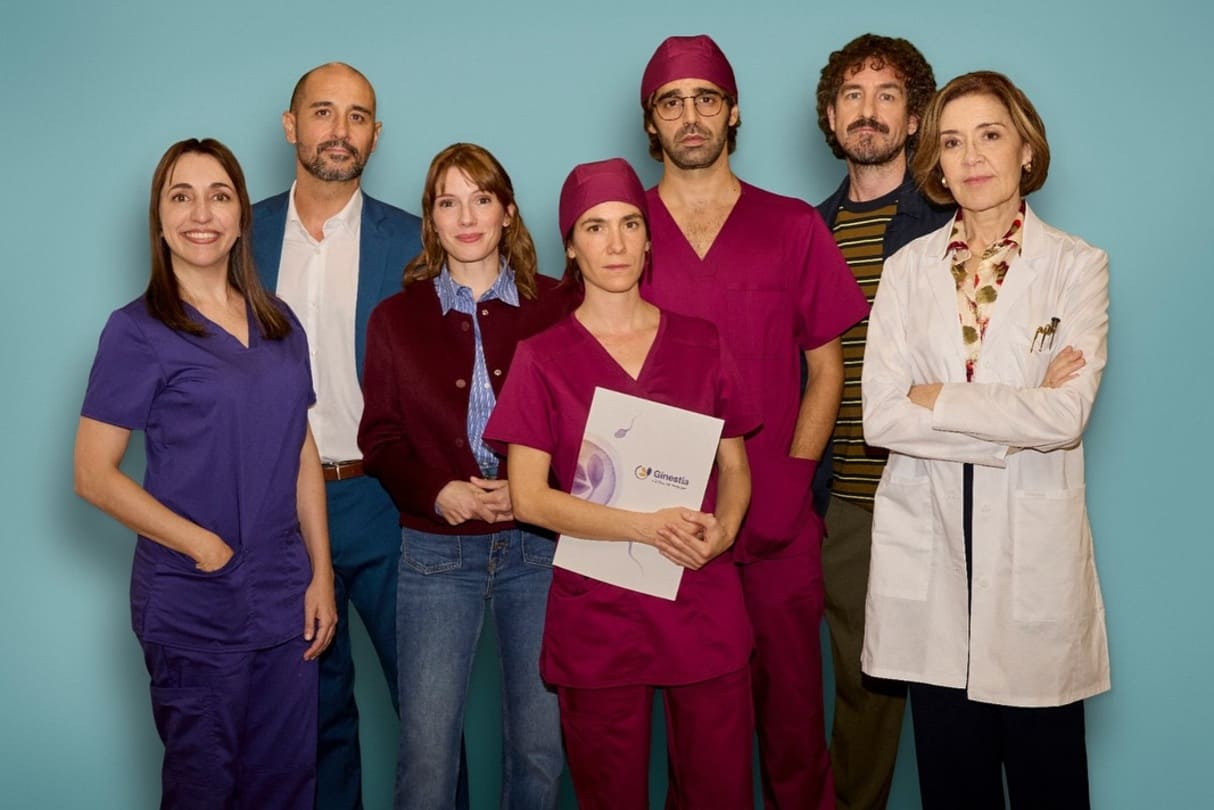
The ambition of "In Vitro" is further amplified by its accomplished cast. Bruna Cusí and David Verdaguer lead an ensemble that also includes María Pujalte, Diana Gómez, and Alain Hernández. These actors have consistently demonstrated their versatility in navigating both dramatic and comedic roles, a skill set that appears perfectly suited for the tone and subject matter of "In Vitro." Their proven ability to inhabit complex characters suggests a compelling portrayal of the human experiences central to the series.
The production is a collaborative effort, helmed by Moiré Films, Rodar y Rodar, 3Cat, and Bullfrog. This collective of production houses indicates a robust backing for the project, aiming to deliver a high-quality viewing experience.
Santander Film Festival: A Premier Launchpad for "In Vitro"
The Santander Film Festival will serve as the exclusive venue for the series’ first public unveiling. The festival has notably expanded its programming this year to include a dedicated section for television series, signaling a growing recognition of the importance of serialized content within the film festival circuit. The screening of the first episode of "In Vitro" will be followed by a Q&A session featuring director Marc Crehuet and co-creator and producer Alejandra Guimerà. This direct engagement with the creators offers audiences a unique opportunity to gain deeper insights into the series’ development and thematic intentions.
A New Era for the Santander Film Festival
The Santander Film Festival’s embrace of serialized content is further underscored by its new collaboration with Filmin, a prominent streaming platform. The day following the premiere of "In Vitro," September 14th, Filmin will host the world premiere of the first two episodes of "Segunda temporada" (Second Season), a series directed by Miguel Ángel Blanca and starring Berta Prieto and Adán Domínguez. This strategic partnership with Filmin signifies a significant step forward for the festival, as highlighted by its director, Júlia Olmo.
Olmo expressed her vision for the festival’s burgeoning series section, stating that the intention is for it to "continue to grow and be a meeting point for discovering series and proposals that bring something different to the viewer." She further emphasized that the collaboration with Filmin "opens a new chapter" for the event, positioning Santander as a key location for the unveiling of new television narratives.
The Societal Impact of "In Vitro"
The series’ focus on assisted reproduction is particularly significant given the widespread impact of these technologies. In Spain, thousands of individuals and couples annually undergo fertility treatments, yet the subject has remained largely on the fringes of mainstream narrative fiction. Historically, stories have tended to present assisted reproduction as a secondary plotline or a fleeting dramatic element. By placing it at the core of an entire series, and by grounding it in the personal experiences of its creators, "In Vitro" promises to shift this perspective entirely.
The decision to tell this story is not born from opportunistic trending topics, but rather from a long-held desire by Crehuet and Guimerà to share their narrative. This deeply personal impetus is likely to imbue the series with an authenticity and emotional resonance that could resonate profoundly with viewers, particularly those who have navigated similar journeys.
Statistical Context and Broader Implications
Assisted reproductive technologies (ART) have seen a significant increase in utilization globally. In Spain, according to data from the Spanish Fertility Society (SEF), over 1.7 million babies have been born through ART since the first successful IVF procedure in the country in 1987. The number of cycles performed annually has been steadily rising, reflecting growing societal acceptance and demand. This statistical backdrop highlights the relevance and timeliness of a series that delves into the complexities of these procedures.
The implications of "In Vitro" extend beyond mere entertainment. By bringing the intricacies of fertility clinics, the emotional toll on patients, and the ethical dilemmas faced by medical professionals into the public consciousness, the series has the potential to foster greater understanding and reduce the stigma often associated with infertility and assisted reproduction. The series’ exploration of the "gray areas" suggests an intention to move beyond simplistic portrayals and engage with the multifaceted realities of these journeys.
A Timeline of Development and Anticipation
- Circa 2016: Marc Crehuet and Alejandra Guimerà welcome their child through IVF, planting the seed for the series’ concept.
- Ongoing Development: The creators dedicate years to developing the narrative, drawing from their personal experiences and extensive research into the field of assisted reproduction.
- Pre-production and Production: The series, "In Vitro," is greenlit by 3Cat and HBO Max, with production commencing under the guidance of Moiré Films, Rodar y Rodar, and Bullfrog. Key cast members, including Bruna Cusí and David Verdaguer, are secured.
- September 13, 2024: The Santander Film Festival hosts the world premiere of the first episode of "In Vitro," accompanied by a Q&A with the creators. This marks the series’ debut public screening.
- September 14, 2024: The Santander Film Festival, in collaboration with Filmin, premieres the first two episodes of "Segunda temporada," signaling the festival’s growing commitment to serialized content.
- Autumn 2026: "In Vitro" is scheduled for its broad release on 3Cat and HBO Max, making the series accessible to a wider audience.
The anticipation surrounding "In Vitro" is palpable, not only due to its compelling subject matter and strong cast but also because of its origin story – a testament to the profound impact personal experiences can have on artistic creation. The series stands to be a significant contribution to Spanish television, offering a much-needed and deeply personal exploration of a topic that touches countless lives.

0 Comments