
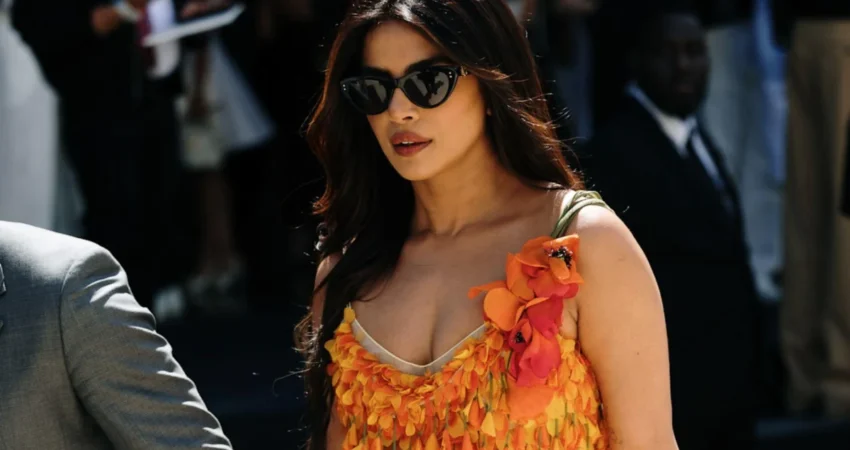
The month of September represents a unique challenge for the fashion industry and consumers alike, particularly within the wedding guest sector. As the intense heat of August begins to wane, replaced by the unpredictable "entretiempo" or mid-season transition, the requirements for formal attire shift from purely breathable fabrics to designs that balance summer aesthetics with autumnal sophistication. For the modern wedding guest, navigating this period requires a strategic approach to color palettes, fabric weights, and silhouettes. This season, seven specific selections from Spanish designers have emerged as the definitive choices for those seeking to balance elegance with the logistical demands of the September calendar.

The September Guest Dilemma: A Seasonal Transition
September is statistically one of the most popular months for weddings in Spain, according to data from the National Statistics Institute (INE). The preference for this month is driven by the desire for milder temperatures compared to the peak summer heat, particularly in regions like Andalusia and Extremadura. However, the meteorological reality of September is one of stark contrasts. While a wedding in Seville in early September may still experience temperatures exceeding 30°C, a late-month ceremony in Asturias or Galicia may require protection against cool breezes and rain.
Fashion analysts note that the "September Guest" must prioritize versatility. The trend for 2024 and 2025 leans heavily toward deeper, more saturated tones that signal the arrival of autumn without feeling prematurely heavy. Warm hues such as terracotta, burgundy, eggplant, and various shades of ochre and brown are dominating the market. These colors provide a natural elegance that transitions seamlessly from daylight ceremonies to evening receptions.

The Rise of the Made in Spain Brand in Event Wear
The selection of these seven dresses highlights a broader economic and cultural trend: the strengthening of the "Made in Spain" label in the global fashion market. Spain has carved out a significant niche in the "affordable luxury" segment of event wear. Brands like Miphai, Coosy, and Bruna have moved beyond local boutiques to become international references for wedding guest fashion.
This shift is supported by a robust manufacturing infrastructure and a design philosophy that emphasizes flattering silhouettes—such as the wrap dress, the A-line, and structured shoulders—which cater to a wide range of body types. By focusing on domestic production, these brands offer a level of exclusivity and craftsmanship that distinguishes them from mass-market fast fashion, a factor increasingly valued by consumers who prioritize sustainability and local economic impact.

Analysis of the Seven Essential Selections for September
1. Miphai: The Gardenia Granate
The Gardenia dress in burgundy (granate) by Miphai exemplifies the shift toward autumnal color theory. Priced at 159.99 euros, this design utilizes a deep red hue that is historically associated with formal elegance and power. The silhouette is designed to be flattering, often incorporating strategic draping or structured bodices that define the waist. For a September wedding, this color works exceptionally well with gold accessories, which enhance the warmth of the burgundy fabric.
2. Maksu: Artistic Prints and Earth Tones
Maksu offers a long dress featuring an integral artistic print in warm earth tones, retailing for 320 euros. This selection represents the premium end of the mid-season market. The use of prints allows for a more complex color story, incorporating tans, ambers, and sienna. Fashion historians point out that artistic prints in formal wear provide a sense of individuality that solid colors cannot. The fluid fabric ensures comfort in warmer climates, while the length and print density suggest an autumnal readiness.

3. Polín et Moi: The Miami Versatility
The Miami guest dress by Polín et Moi, priced at 119.95 euros, demonstrates the brand’s commitment to "effortless chic." This model is particularly noted for its versatility. Its design allows it to be dressed up with high-heeled sandals for a formal ceremony or paired with more understated accessories for a garden wedding. The inclusion of such a model in a September wardrobe addresses the need for garments that can adapt to varying levels of formality and temperature.
4. Delacroix: Architectural Shoulders and Eggplant Hues
The eggplant-colored (berenjena) dress by Delacroix, featuring ruffles and maxi-shoulder details, is priced at 135.90 euros. This design taps into the current trend for "power dressing" within the event sector. Maxi shoulders provide an architectural silhouette that balances the hips and creates a dramatic profile. The eggplant hue is a sophisticated alternative to traditional black or navy, offering a rich, jewel-tone depth that is perfect for late September evening weddings.

5. Bruna: Vintage Inspiration with the Neck Bow
The Claude Reverie dress by Bruna, currently positioned at a promotional price of 81.90 euros, incorporates a classic neck bow (lazada). This detail is a nod to mid-century vintage aesthetics, which have seen a resurgence on 2024 runways. The neck bow adds a layer of modesty and sophistication, making it an ideal choice for religious ceremonies. The silhouette is typically fluid, allowing for ease of movement during the transition from the ceremony to the dance floor.
6. Coosy: The Luxury of Satin Jacquard
Coosy’s long dress in brown satin with a jacquard finish (150 euros) highlights the importance of texture in September fashion. Satin has a natural sheen that reflects light beautifully during "golden hour" photography, a staple of September weddings. The jacquard weave adds a subtle pattern into the fabric itself, providing a tactile richness. Brown, once considered a "taboo" color for weddings, has been reclaimed as a symbol of modern, understated luxury.

7. Basyco Jerez: Accessibility and Style
The Lurea dress in caldera (a warm copper/clay tone) from Basyco Jerez is the most accessible option at 29.99 euros. This price point reflects the democratization of the wedding guest market. The "caldera" color is perhaps the most quintessential September tone, mimicking the changing leaves and the softening sunlight. Its success lies in its ability to offer a high-fashion color palette at a price point accessible to a younger demographic or those attending multiple events in a single season.
Chronology of a September Fashion Strategy
To successfully execute a guest look in September, industry experts recommend a timeline that accounts for the month’s volatility:

- Four Weeks Prior: Selection of the primary garment. This is the stage where the "Spanish Soul" of the brand is prioritized, ensuring the fabric weight is appropriate for the wedding’s specific location.
- Two Weeks Prior: Finalizing footwear. Given the transition, guests often choose between open-toed sandals (for early September) and closed-toe pumps or slingbacks (for late September).
- One Week Prior: Weather assessment. This is the critical window for deciding on "extra" layers. A lightweight wrap, a tailored blazer, or a silk shawl in a complementary autumnal tone (like those found in the Maksu or Coosy palettes) is often prepared.
Broader Economic and Industry Implications
The wedding industry in Spain is a significant contributor to the national GDP, estimated to generate approximately 22 billion euros annually. The guest attire sector represents a substantial portion of this revenue. The success of Spanish brands in capturing the "September market" is a testament to their ability to innovate within the constraints of seasonal changes.
Market data suggests that consumers are increasingly moving away from the "wear once" mentality. The seven dresses highlighted are designed with a longevity that extends beyond a single event. The deeper tones and more substantial fabrics of these September selections allow them to be repurposed for holiday parties in December or professional events in the autumn, increasing the "cost-per-wear" value for the consumer.

Furthermore, the emphasis on flattering silhouettes reflects a broader industry move toward inclusivity. Spanish designers have been at the forefront of creating garments that utilize draping, wrap waists, and structured fabrics to accommodate diverse body shapes, a move that has been met with positive consumer feedback and increased brand loyalty.
Conclusion: The Strategic Path to Being the Best Dressed
Being the best-dressed guest in September is less about following a single trend and more about the strategic harmony of color, fabric, and origin. The seven Spanish-designed dresses analyzed provide a roadmap for navigating the complexities of the month. By opting for autumnal tones—burgundy, eggplant, caldera, and earth prints—guests can honor the changing season while maintaining the celebratory spirit of a summer wedding.

As the fashion industry continues to evolve, the prominence of Spanish brands in the event sector serves as a reminder of the power of local craftsmanship and thoughtful design. For the September guest, these dresses offer more than just a garment; they offer a solution to the seasonal transition, ensuring that the wearer remains comfortable, appropriate, and undeniably elegant regardless of the forecast.

0 Comments