
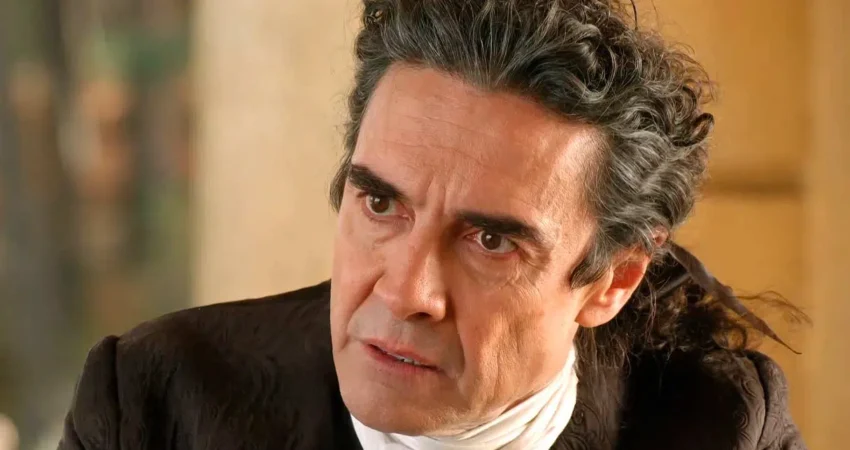
Madrid, Spain – August 26, 2026 – The cast and crew of the popular Spanish daily drama "Valle Salvaje" have officially returned to work, signaling the resumption of production following a brief hiatus. This restart coincides with a critical juncture in the series’ ongoing storylines, as the narrative gears up for significant revelations and the approaching milestone of its 500th episode. The return to set has been subtly signaled by actors themselves, with social media posts offering glimpses into the preparatory phases of their on-screen personas.
Among the first to share their re-entry into the demanding world of period drama production was actor José Manuel Seda. On Wednesday, August 26th, Seda posted a video detailing his transformation back into the character of José Luis Gálvez de Aguirre. This visual documentation underscores the meticulous nature of historical series production, where costume, hair, and makeup are not merely aesthetic choices but crucial elements in the authentic portrayal of characters and their era. The process, as depicted by Seda, highlights the dedication required to embody figures from a bygone age, demanding a return to specific styling and character nuances after even a short break.
The staggered return of cast members is a standard operational procedure for daily fiction productions. "Valle Salvaje" operates on a production model where not all characters require simultaneous presence on set or in exterior locations. This allows for efficient scheduling, with actors being called back based on the specific needs of the filming blocks and the progression of the storylines. While some actors have already begun filming new scenes, others may be integrated into the production schedule as required by the unfolding drama. This approach ensures a continuous flow of content while managing the logistical complexities of a large ensemble cast.
A significant advantage for "Valle Salvaje" lies in its substantial production buffer. Unlike live broadcasts or series with tighter post-production schedules, daily dramas typically maintain a considerable lead time between filming and broadcast. Current episodes airing on La 1 were reportedly filmed around April of this year, providing the production team with approximately a four-month cushion. This ample lead time allows for a more relaxed resumption of work after breaks, without immediate pressure to catch up on broadcast schedules. It also provides creative flexibility, enabling writers and producers to refine storylines based on audience reception and emerging narrative possibilities.
The resumption of filming directly follows a period of intense plot development that has captivated viewers. The long-held secret surrounding Adriana’s child has finally been exposed, revealing that Rafael now knows Damián orchestrated the exchange of the baby for a girl. This revelation has dramatically shifted the power dynamics within the series.
Shifting Alliances and Rising Tensions
The consequences of Damián’s deception have led to a significant realignment of allegiances. Notably, Mercedes and Victoria, once seemingly aligned with Damián, have now turned against him, resulting in his expulsion from the "Casa Pequeña." This dramatic shift signifies a betrayal from Damián’s perspective, one that he appears unwilling to accept. His forceful removal from a position of influence marks the beginning of a new, potentially more volatile chapter in his storyline, with the implication that his reactions could escalate in intensity and violence.
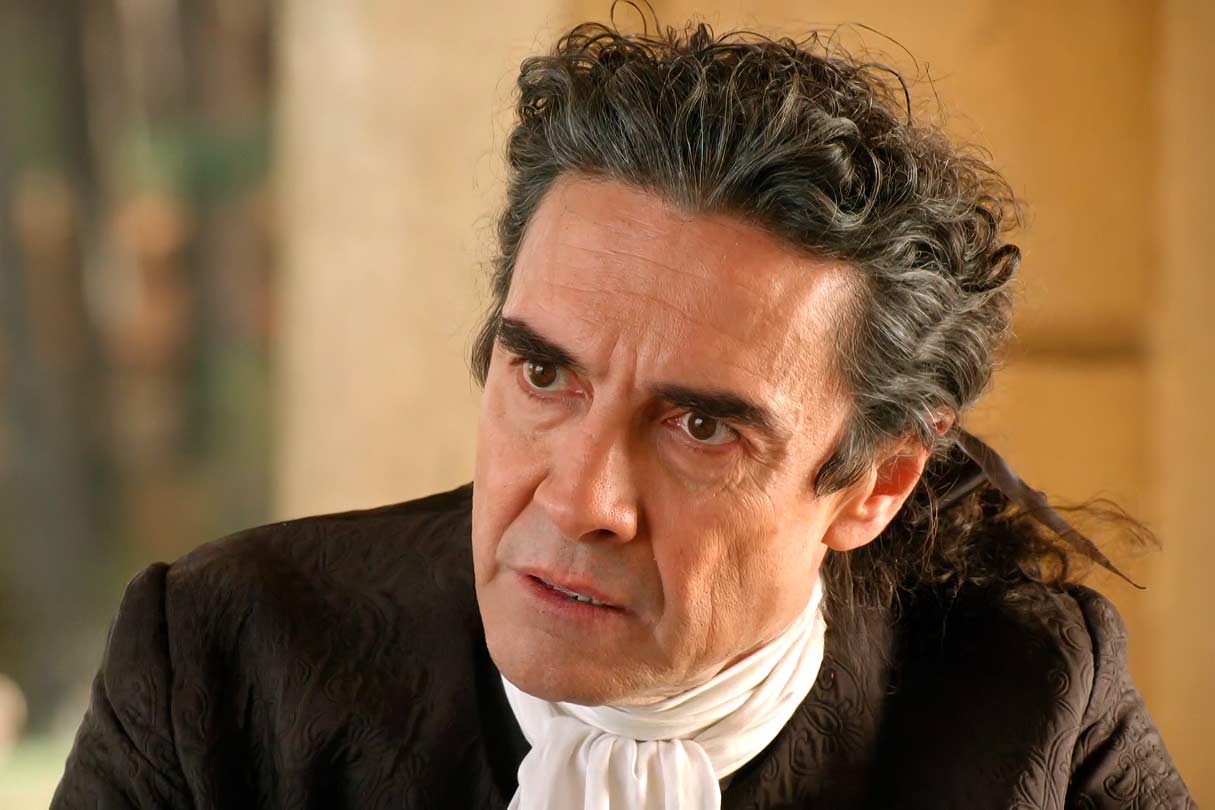
The narrative is currently progressing through episodes 471 to 475. This current output places the series on a clear trajectory towards its 500th episode, a significant milestone for any long-running television program. While the specific events planned for this celebratory episode remain under wraps, its proximity suggests that the current production efforts are building towards a narrative climax or a significant turning point. The anticipation surrounding episode 500 is palpable among the show’s dedicated fanbase.
The Future of Damián: An Unfolding Mystery
The unraveling of Damián’s machinations and the growing opposition he faces have cast a long shadow over his character’s future. With his position within the valley increasingly precarious, his ongoing arc has become one of the most compelling and uncertain elements of the current storyline. While the narrative has exposed his deceit, there has been no official confirmation regarding the character’s potential departure from the series. This ambiguity leaves open the possibility of further plot twists or a dramatic conclusion to his storyline, making the currently filmed episodes particularly significant for understanding the direction of his narrative.
The content being filmed now will reach television screens in the latter half of 2026. This extended timeframe allows the production to integrate the latest plot developments and character arcs seamlessly. As the cast dons their period costumes once more, they are not just returning to work; they are actively shaping the narrative trajectory of "Valle Salvaje" as it heads into its most impactful episodes of the year. The intricate tapestry of relationships, deceptions, and power struggles within the valley is set to become even more complex, promising continued engagement for its audience.
Production Context and Industry Significance
"Valle Salvaje," a production of RTVE in collaboration with Diagonal TV, has been a staple of Spanish television for several years. Daily dramas, by their very nature, require a robust and consistent production pipeline. The genre demands rapid turnaround times, efficient resource management, and a dedicated cast and crew capable of delivering high-quality content week after week. The successful navigation of production breaks, as demonstrated by "Valle Salvaje," is a testament to the logistical expertise and resilience of the production team.
The genre’s popularity in Spain is well-documented. Daily dramas often achieve substantial viewership figures, fostering a strong connection with their audience through relatable characters and ongoing, serialized narratives. "Valle Salvaje," with its historical setting and dramatic plotlines, taps into a rich vein of storytelling that resonates with viewers seeking both escapism and emotional depth. The series’ ability to maintain narrative momentum and audience interest, especially as it approaches significant episode counts, underscores its enduring appeal.
The visual storytelling inherent in a period drama like "Valle Salvaje" adds another layer of complexity and audience engagement. The accuracy and detail of the costumes, sets, and overall aesthetic contribute significantly to the immersive experience. The commitment to historical verisimilitude, as evidenced by the detailed preparation undertaken by actors like José Manuel Seda, is a crucial factor in the series’ success and its ability to transport viewers to another time. This dedication to detail not only enhances the viewing experience but also reflects the high production values of Spanish television drama.
As "Valle Salvaje" continues its production cycle, the focus remains on delivering compelling narratives that captivate its established audience and potentially attract new viewers. The current phase of production, bridging pivotal plot resolutions with the anticipation of a major episode milestone, marks a critical period for the series. The return to set signifies not just a resumption of work, but a renewed commitment to the intricate storytelling that has defined "Valle Salvaje" and secured its place in the Spanish television landscape. The coming months will undoubtedly bring further revelations and dramatic developments as the series charts its course towards the latter half of 2026 and beyond.

0 Comments