
The landscape of Ibero-American cinema is set to undergo a significant transformation this December as the city of Foz do Iguaçu, Brazil, prepares to host the inaugural Iguaçu2B – Foro de Coproducción. This new international summit is strategically positioned at the "Triple Frontier"—the unique geographic intersection of Brazil, Argentina, and Paraguay—to serve as a catalyst for regional integration, audiovisual business development, and the promotion of cross-border territories as premier filming destinations. By bridging the gap between creative development and industrial execution, Iguaçu2B aims to solidify the Southern Cone’s position as a powerhouse in the global film market.
Iguaçu2B is designed to address the specific needs of feature film projects from across Ibero-America that have reached an advanced stage of development. The forum provides a vital platform for these projects to secure the partnerships necessary for production, while simultaneously fostering the internationalization of production companies within the region. The call for entries for this first edition is scheduled to remain open from September 1 to September 25, with applications accepted through the event’s official digital portal.
The initiative is a collaborative effort between several key institutional pillars: the Universidade Federal da Integração Latino-Americana (UNILA), the Iguaçu National Park (managed by ICMBio), and the Festival Internacional de Cinema da Fronteira. This partnership highlights a multidimensional approach to cinema, combining academic rigor, environmental stewardship, and cultural promotion. By hosting the event in a UNESCO World Heritage site known for its breathtaking natural beauty, the organizers are making a deliberate statement about the intersection of nature, tourism, and the screen arts.
A Strategic Hub for Regional Integration
The selection of Foz do Iguaçu as the host city is far from coincidental. As a city that naturally facilitates the movement of people and ideas between three nations, it serves as a symbolic and practical hub for Ibero-American collaboration. For decades, the Triple Frontier has been a subject of cinematic fascination, often portrayed through the lens of thrillers and documentaries. Iguaçu2B seeks to reclaim this narrative by establishing a formal industry infrastructure that supports local and regional creators.
Selected projects for the forum will benefit from a rigorous schedule of activities designed to maximize their market viability. The official programming includes high-stakes pitching sessions, curated networking events, and one-on-one business rounds where producers can meet with potential co-producers, distributors, and financiers. Beyond the immediate business transactions, the forum will host a series of panels, conferences, and masterclasses led by industry veterans. These educational components are intended to provide insights into emerging trends, such as the evolving role of streaming platforms in Latin America and the intricacies of international co-production treaties.
A unique feature of Iguaçu2B is its emphasis on "location scouting" and "screen tourism" (turismo de pantallas). The forum will lead activities specifically designed to showcase the diverse landscapes of the Iguaçu region to location managers and producers. This initiative aligns with global trends where iconic filming locations drive significant tourism revenue, a phenomenon seen in regions ranging from New Zealand to Northern Ireland. By promoting the Triple Frontier as a versatile and accessible filming site, the forum aims to stimulate the local economy and attract foreign investment into the Brazilian and regional film service sectors.
Honoring a Visionary: Bernardo Bergeret
The first edition of Iguaçu2B will pay special tribute to Bernardo Bergeret, the Uruguayan film industry titan and co-founder of Ventana Sur. Bergeret’s influence on Latin American cinema is difficult to overstate; as the longtime director of international affairs for the Argentine National Institute of Cinema and Audiovisual Arts (INCAA), he was instrumental in creating the institutional frameworks that allowed Latin American films to reach major festivals like Cannes, Berlin, and San Sebastian.
Bergeret’s legacy is defined by his commitment to the "market" as an essential component of the "art." By honoring him, Iguaçu2B signals its intention to follow in the footsteps of Ventana Sur—the largest audiovisual market in Latin America—while focusing on the specific regional nuances of the border territories. The homage serves as a bridge between the established industry structures of the past and the innovative, decentralized forums of the future.
Strengthening the Pipeline: The Mostra de São Paulo Work in Progress
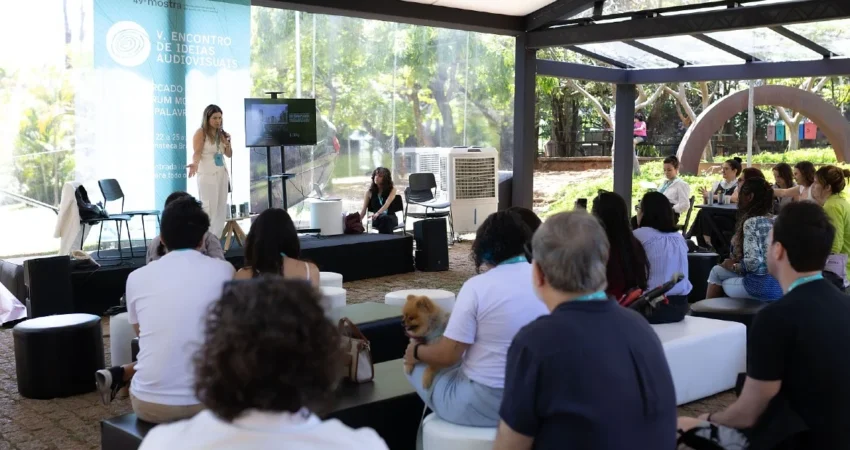
While Iguaçu2B focuses on development and co-production, another major Brazilian institution is reinforcing the latter stages of the filmmaking process. The Mostra Internacional de Cinema de São Paulo (São Paulo International Film Festival) has announced the call for the second edition of its "Work in Progress" (WIP) program. This initiative will take place from October 21 to October 23 as part of the broader Encontro de Ideias Audiovisuais in São Paulo.
The WIP call, which remains open until September 14, is exclusively available to Brazilian feature films—encompassing fiction, documentaries, and animation—that are currently in the advanced stages of post-production. This includes films in the midst of editing, sound mixing, color correction, or final mastering. The objective is to provide a "final push" for films that are nearly ready for the festival circuit but require professional feedback or financial support to reach the finish line.
Participants in the São Paulo WIP will have the opportunity to present their works-in-progress to an exclusive audience of industry professionals. This audience typically includes international sales agents, festival programmers from top-tier events (such as the Berlinale or Locarno), and domestic and international distributors. Furthermore, the projects will compete for various awards consisting of post-production services and support for theatrical or digital release. This "last mile" support is often the deciding factor in whether a film successfully transitions from a private edit suite to a global audience.
The Economic and Cultural Context of the Brazilian Audiovisual Sector
The emergence of Iguaçu2B and the expansion of the São Paulo WIP come at a pivotal moment for the Brazilian film industry. Following several years of institutional uncertainty and the challenges posed by the global pandemic, the sector is currently experiencing a period of renewed investment and legislative support. The implementation of the Paulo Gustavo Law and the Aldir Blanc Law has injected unprecedented levels of federal funding into the cultural sector, with a significant portion earmarked for audiovisual production and training.
Data from Ancine (the Brazilian National Cinema Agency) suggests that the audiovisual sector is a major contributor to the national economy, historically outperforming traditional sectors such as the textile and pharmaceutical industries in terms of GDP contribution. By fostering forums like Iguaçu2B, Brazil is not only promoting cultural expression but also investing in a high-growth industry that generates specialized jobs and promotes the "Brazil brand" internationally.
The focus on co-production is particularly strategic. Ibero-American co-productions—facilitated by programs like Ibermedia—have proven to be a resilient model for high-quality filmmaking. By sharing costs and talent across borders, producers can achieve higher production values and gain automatic access to multiple domestic markets. Iguaçu2B’s location at the Triple Frontier provides a physical manifestation of this cooperative spirit.
Broader Implications for the Ibero-American Market
The synergy between the development focus of Iguaçu2B and the post-production focus of the São Paulo WIP creates a comprehensive support system for filmmakers. This dual approach ensures that projects are not only conceived with international standards in mind but are also finished with the professional polish required to compete on the world stage.
Industry analysts suggest that the decentralization of film markets—moving away from traditional hubs like Rio de Janeiro and São Paulo to include regions like Foz do Iguaçu—is essential for a more equitable and diverse film industry. It allows for a broader range of voices and stories, particularly those from the "interior" or border regions, to find their way into the mainstream.
As the global film market becomes increasingly competitive and dominated by large-scale streaming platforms, regional forums like Iguaçu2B provide a necessary space for independent producers to maintain their autonomy and negotiate from a position of collective strength. The emphasis on "screen tourism" also reflects a modern understanding of the film industry as an ecosystem that interacts with urban planning, environmental conservation, and regional development.
Conclusion and Chronology of Upcoming Events
The final months of the year will be a busy period for the Ibero-American audiovisual community in Brazil. The timeline for these critical industry windows is as follows:
- September 1–14: Final window for Brazilian filmmakers to submit projects for the Mostra de São Paulo Work in Progress.
- September 1–25: Open call for Ibero-American feature film projects for the Iguaçu2B – Foro de Coproducción.
- October 21–23: Second edition of the Work in Progress sessions at the Encontro de Ideias Audiovisuais in São Paulo.
- December 8–10: Inaugural edition of Iguaçu2B – Foro de Coproducción in Foz do Iguaçu, featuring the tribute to Bernardo Bergeret and the showcase of the Triple Frontier as a filming destination.
By the end of 2023, these initiatives are expected to have facilitated dozens of new partnerships, provided a platform for scores of emerging and established filmmakers, and further integrated the cinematic economies of Brazil, Argentina, Paraguay, and the wider Ibero-American region. As these forums mature, they will likely become permanent fixtures in the international film calendar, reinforcing the notion that in the world of cinema, borders are not barriers but points of connection and creative inspiration.

0 Comments