
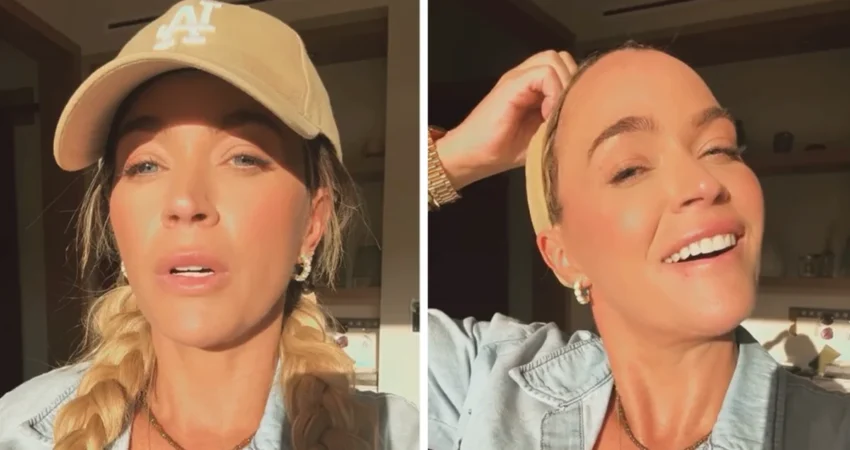
The journey through cancer treatment is often marked by significant physical and emotional challenges, and for many, the loss and subsequent regrowth of hair stand as potent symbols of this arduous path. Reality television personality Teddi Mellencamp recently shared a deeply personal and triumphant moment with her followers, revealing the visible signs of her hair growing back following extensive cancer treatments. On Wednesday, August 27, 2026, the former "Real Housewives of Beverly Hills" star posted an emotional video on her Instagram stories, openly removing her wig to showcase her natural, light-colored locks returning. This public display not only marks a personal milestone in her ongoing health battle but also resonates deeply with countless individuals navigating similar experiences, highlighting a beacon of hope amidst their own struggles. Her candidness provides a rare glimpse into the realities of recovery, transforming a private moment into a shared testament to resilience.
A Visible Sign of Progress: The Emotional Weight of Hair Regrowth
For individuals undergoing chemotherapy or other cancer treatments, hair loss is a common and often distressing side effect. Beyond the physical alteration, it carries profound psychological and emotional weight, frequently serving as a visible marker of illness. The scalp, eyelashes, eyebrows, and other body hair can all be affected, leading to a significant impact on self-image, confidence, and overall mental well-being. Studies have consistently shown that hair loss is one of the most feared side effects of cancer treatment, often contributing to feelings of vulnerability, anxiety, and a sense of loss of identity. Consequently, the moment hair begins to regrow is not merely a cosmetic change; it is a powerful psychological turning point. It symbolizes a return to normalcy, a tangible sign of the body healing, and a tangible step towards reclaiming one’s identity.
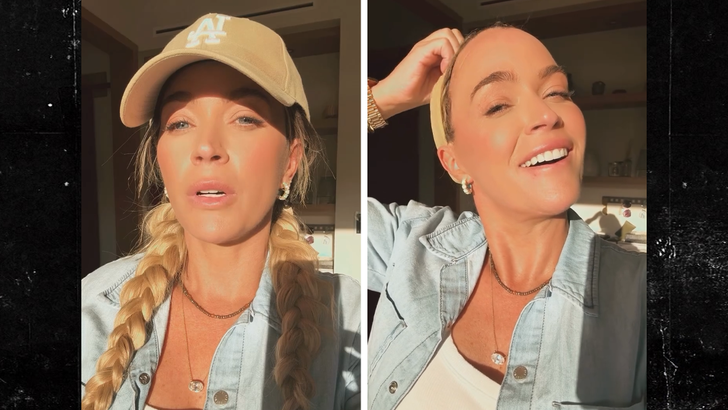
Mellencamp’s decision to share this intimate moment publicly underscores the universal significance of such milestones. In her video, she was visibly joyous, running her hands through the nascent strands, her radiant smile conveying the profound relief and happiness associated with this recovery. This act of vulnerability and celebration resonates deeply with cancer patients and survivors worldwide, offering a sense of solidarity and encouragement. It reminds them that despite the hardships, there are moments of progress and triumph to be celebrated, reinforcing the importance of focusing on small victories throughout the long and challenging treatment process. For many, seeing a public figure like Mellencamp embrace this phase of her recovery can normalize the experience, reduce feelings of isolation, and inspire a renewed sense of hope.
Teddi Mellencamp’s Battle with Melanoma: A Chronology of Resilience
Teddi Mellencamp’s health journey has been a public and arduous one, characterized by remarkable transparency and unwavering resolve. Her initial diagnosis of stage 2 melanoma in October 2022 marked the beginning of a challenging chapter that she has openly shared with her millions of followers. Melanoma, the most serious type of skin cancer, develops in the cells that produce melanin, the pigment that gives skin its color. Stage 2 indicates that the cancer has grown thicker but has not yet spread to lymph nodes or distant sites.

The subsequent years brought further complications and intensified her battle. In 2023, Mellencamp revealed that the melanoma had metastasized, spreading to her brain and lungs. This progression to distant organs signifies a more advanced and aggressive form of the disease, presenting significantly greater challenges in treatment and prognosis. Metastatic melanoma often requires a more intensive and systemic approach, including targeted therapies, immunotherapy, radiation, and potentially further surgical interventions. Each new development was met with Mellencamp’s characteristic candor, as she documented hospital visits, treatment protocols, and the emotional toll on her and her family.
Despite these daunting setbacks, Mellencamp has continued to fight with immense courage. In October of the previous year (2025), she shared a profoundly encouraging update, announcing that doctors had found "no detectable cancer" in her body. This news was a monumental victory, signaling that the aggressive treatments had successfully eradicated the visible signs of the disease. However, as is often the case with advanced cancers, remission does not always mean the end of treatment. Mellencamp recently confirmed that she still has nine months of ongoing treatment ahead. This maintenance or adjuvant therapy is crucial for preventing recurrence, especially in cases where cancer has spread. Her continued commitment to this extended treatment underscores the vigilance required in managing such a serious illness and reinforces the reality that the path to full recovery can be long and multifaceted, even after achieving "no detectable cancer."
Understanding Melanoma: A Public Health Perspective
Melanoma, while less common than other types of skin cancer, is responsible for the vast majority of skin cancer deaths. The American Cancer Society estimates that approximately 100,000 new cases of melanoma are diagnosed in the United States each year, leading to over 7,000 deaths. Its incidence has been rising for several decades, making public awareness and early detection critical.
Key risk factors for melanoma include excessive exposure to ultraviolet (UV) radiation from sunlight or tanning beds, a history of sunburns, having many moles or atypical moles, fair skin, a family history of melanoma, and a weakened immune system. Early detection is paramount for improving survival rates. When detected early, melanoma is highly treatable, often through surgical removal. However, if it progresses and metastasizes to other organs, as in Mellencamp’s case, treatment becomes significantly more complex and the prognosis less favorable.
Advancements in oncology, particularly in immunotherapy and targeted therapies, have revolutionized the treatment landscape for advanced melanoma in recent years. Immunotherapy, which harnesses the body’s own immune system to fight cancer cells, has shown remarkable success in improving outcomes for patients with metastatic melanoma. Targeted therapies, on the other hand, focus on specific genetic mutations within cancer cells, inhibiting their growth and spread. While these treatments offer significant hope, they can also come with a range of side effects, including fatigue, skin reactions, and gastrointestinal issues, further adding to the challenges faced by patients like Mellencamp. Her ongoing treatment likely involves some form of these advanced therapies, aimed at sustaining her remission and preventing future recurrence.
The Power of Transparency: Celebrity Advocacy and Broader Impact
Teddi Mellencamp’s decision to openly document her cancer journey, including the most vulnerable moments like hair loss and regrowth, exemplifies the profound impact that celebrity advocacy can have on public health awareness. By sharing her experience, she effectively transforms a personal struggle into a powerful platform for education and support.
Firstly, her candidness helps to destigmatize cancer and its treatments. Many individuals grappling with cancer feel isolated or ashamed of the physical changes their bodies undergo. Mellencamp’s willingness to show her wig-free scalp normalizes these experiences, sending a powerful message that vulnerability is a strength, not a weakness. This can empower others to embrace their own journey with greater self-acceptance and reduce feelings of shame.
Secondly, her platform serves as a vital tool for raising awareness about melanoma. Through her posts, Mellencamp has consistently urged her followers to prioritize skin checks, be vigilant about suspicious moles, and practice sun safety. This direct, relatable messaging from a public figure can often be more impactful than traditional public health campaigns, reaching a wide and engaged audience who might otherwise overlook such critical health advice. The "Real Housewives" franchise, in particular, has a dedicated fanbase, making her reach substantial.
Moreover, Mellencamp’s narrative fosters a sense of community among cancer patients and survivors. Her comments sections are often filled with messages of support, shared experiences, and advice from individuals who have walked similar paths. This digital community provides invaluable emotional support, practical tips, and a sense of belonging that can be crucial for mental well-being during and after treatment. Her ongoing updates, including the current milestone of hair regrowth, serve as a source of inspiration, demonstrating resilience and the possibility of positive outcomes even in the face of significant challenges.
Official responses to such public sharing, while not always direct statements, often manifest in the form of increased engagement with cancer charities and medical organizations. Healthcare professionals frequently laud public figures who use their platforms to educate and advocate, as it complements their efforts in patient education and early detection campaigns. Organizations dedicated to melanoma research and support likely see a surge in interest and potentially donations following high-profile disclosures like Mellencamp’s.

The Path Forward: Continued Treatment and Advocacy
As Teddi Mellencamp embarks on the remaining nine months of her treatment, her journey continues to serve as a testament to perseverance. This extended phase of therapy, likely involving ongoing immunotherapies or targeted treatments, is a critical component of preventing disease recurrence and ensuring long-term remission. While the public milestone of hair regrowth offers a moment of joyous celebration, it also underscores the continuous vigilance and commitment required in cancer survivorship.
Beyond her personal fight, Mellencamp has firmly established herself as an advocate for cancer awareness and patient support. Her public narrative has become an invaluable resource, offering a blend of personal experience, practical advice, and emotional transparency. This advocacy extends beyond simply sharing updates; it inspires dialogue, encourages proactive health measures, and fosters a more empathetic understanding of the cancer experience.
Her willingness to be open about the highs and lows of her battle, from devastating diagnoses to the quiet joy of regrowing hair, has created a powerful human connection with her audience. In an era where public figures often curate idealized versions of their lives, Mellencamp’s raw honesty provides a refreshing and much-needed dose of reality. Her journey is a reminder that health battles are fought not just in hospitals but also in the everyday moments of life, and that even the smallest signs of progress can carry immense meaning and inspire profound hope for others. Her story reinforces the message that while cancer may present formidable obstacles, it does not diminish the human spirit’s capacity for resilience, courage, and ultimately, triumph.

0 Comments