
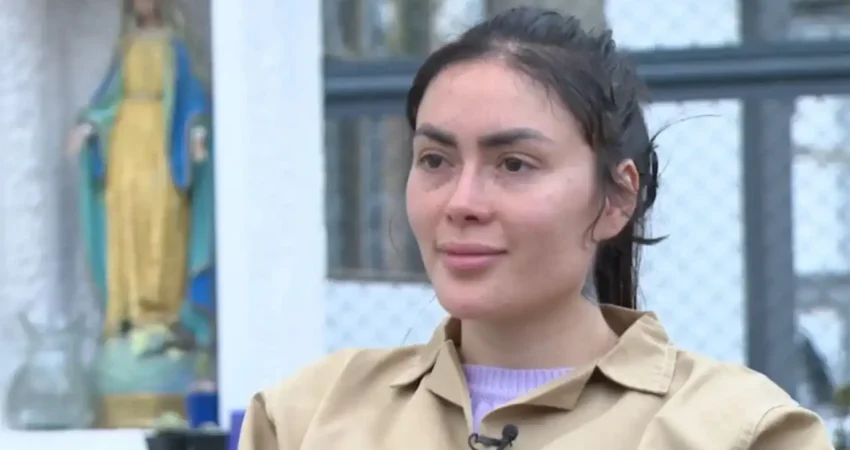
The emotional and psychological toll of incarceration on Daneidy Barrera Rojas, widely known as Epa Colombia, has become a focal point of public attention following recent revelations by her legal counsel. Wendy Herrera, Barrera’s attorney, has detailed the significant distress her client is reportedly enduring, citing severe anxiety, the profound pain of separation from her young daughter, and allegations of psychological mistreatment during her confinement. These concerns highlight the complex challenges faced by individuals in the correctional system and underscore the critical need for comprehensive medical and psychological support.
Background of Epa Colombia’s Incarceration
Epa Colombia’s legal troubles stem from her involvement in the 2019 protests in Bogotá. During these demonstrations, she was filmed vandalizing a TransMilenio bus station, an act that was widely publicized and subsequently led to legal proceedings against her. The incident occurred amidst a period of intense social unrest in Colombia, characterized by widespread protests against government policies, inequality, and police brutality. Barrera’s actions, though condemned by many, also resonated with a segment of the population who viewed her as a figure of defiance against the established order.
Her conviction for the destruction of public property resulted in a prison sentence. She was initially held at El Buen Pastor prison before being transferred to the Carabineros Station in Bogotá. On August 7th of the current year, she was relocated to a correctional facility in Ibagué. This series of transfers has been a source of significant stress for Barrera, according to her legal team.
Legal Counsel’s Account of Barrera’s Distress
In an interview with the Colombian media outlet La Red, attorney Wendy Herrera painted a grim picture of Epa Colombia’s current state. Herrera stated that Barrera has described her experience as "a great suffering" and detailed instances of profound anxiety. The most significant factor contributing to her distress, according to Herrera, is the separation from her daughter. This emotional burden has reportedly manifested in severe psychological difficulties, necessitating ongoing medical and psychological intervention.
Herrera further elaborated on Barrera’s allegations regarding her treatment prior to her transfer to Ibagué. The attorney claims that Barrera reported experiencing "psychological torture" and a sense of persistent persecution. According to Barrera’s account, she had been forewarned of a potential transfer as early as April, with specific warnings that she would be moved on August 7th. Herrera emphasized that these claims are part of formal complaints and ongoing investigations, underscoring that they represent Barrera’s testimony rather than established conclusions.
Allegations of Ill-Treatment in Bogotá
The conditions Barrera allegedly faced during her time at the Carabineros Station in Bogotá were also brought to light by her attorney. Herrera recounted Barrera’s description of an environment where other inmates engaged in cosmetic procedures, such as Botox injections, and held celebrations like baptisms and parties. In stark contrast, Barrera’s access to her daughter was reportedly severely restricted. This disparity, coupled with the inability to connect with her child, is cited as a primary driver of her escalating anxiety and psychological suffering.
"She tells me that she has been a victim of psychological torture," Herrera stated during the interview. "According to her account, she has been a victim of this persecution, where they had been telling her since April that they were going to move her on August 7th. This is under investigation and in complaints."
Herrera stressed the importance of distinguishing between Barrera’s reported experiences and definitive findings, noting that these allegations are subject to official inquiry. The lawyer also highlighted the detrimental impact of the separation from her daughter on Barrera’s mental health, stating, "She has been experiencing chronic anxiety, very strong chronic psychological processes due to not being able to be with her daughter. She has not been able to spend time with her daughter… a great suffering. This has been reflected in her mental health. She requires medical accompaniment to overcome this episode."
Current Situation in Ibagué
Regarding Epa Colombia’s current living conditions in Ibagué, Herrera indicated that Barrera shares a cell with other women. While acknowledging that any form of incarceration presents inherent difficulties, the attorney expressed a degree of confidence in Barrera’s safety within the specific patio where she has been housed. "She is not well," Herrera admitted. "Prison is prison, but she is sharing a cell with ladies whom I consider to be very good people. She is safe in that patio."
The transfer to Ibagué followed several months of detention in Bogotá. The circumstances surrounding this relocation are also reportedly under scrutiny as part of the broader investigations into Barrera’s treatment.
Broader Implications and Need for Support
Epa Colombia’s case brings to the forefront critical issues concerning the welfare of incarcerated individuals, particularly mothers. The reported psychological distress, compounded by the separation from a child, underscores the vulnerability of this demographic. Experts in correctional psychology consistently emphasize the long-term consequences of such separations on both the parent and the child, including increased risks of mental health disorders, behavioral problems, and developmental issues for the child.
The allegations of psychological mistreatment and the contrast in treatment between Barrera and other inmates raise concerns about potential systemic issues within correctional facilities. The justice system’s responsibility extends beyond punitive measures to include ensuring humane conditions and providing adequate rehabilitative and psychological support. The ongoing investigations into these claims are crucial for establishing accountability and potentially reforming practices.
The legal defense’s insistence on the necessity of medical and psychological accompaniment for Barrera highlights a fundamental aspect of humane incarceration. Beyond the legal sentence, individuals in prison often grapple with pre-existing mental health conditions or develop new ones due to the stresses of confinement. Access to qualified mental health professionals is not merely a matter of comfort but a critical component of a just and effective correctional system.
Furthermore, the case of Epa Colombia can serve as a catalyst for a broader public discourse on the conditions within Colombian prisons and the specific challenges faced by women in detention. Transparency and rigorous investigation of the allegations are essential to uphold the principles of justice and human rights. The outcome of these investigations will not only determine the future legal standing of the claims made by Barrera’s defense but also contribute to the ongoing efforts to improve the correctional system in Colombia. The emphasis on Barrera’s need for continuous support from medical and psychological professionals remains a paramount concern for her legal team as she continues to serve her sentence.

0 Comments