
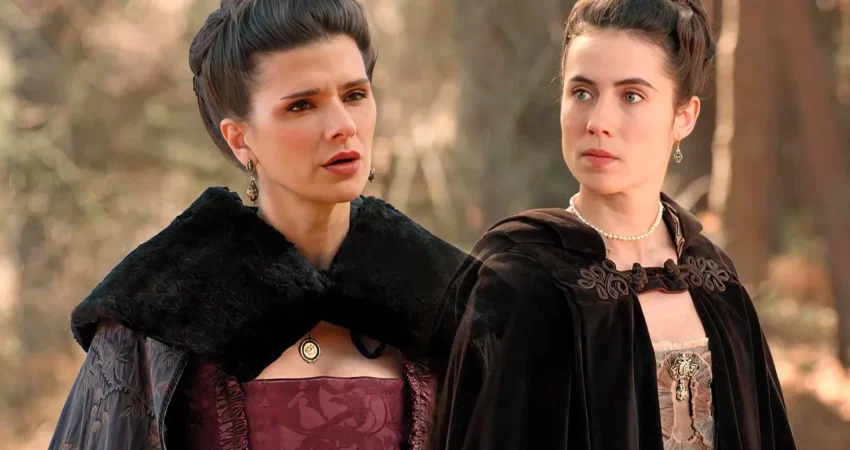
The latest installment of "Valle Salvaje" plunges into a vortex of high-stakes drama following a shocking confession that has irrevocably altered the delicate balance within the grand estate. Duchess Mercedes, burdened by a devastating secret, finds herself at a critical juncture, forced to confront the ramifications of her actions and the potential for betrayal. Simultaneously, Rafael’s decisive move to elevate Rosalía’s standing within the household signals a significant shift in power dynamics and social hierarchy, promising to stir further unrest among the inhabitants.
Mercedes Confronts the Unthinkable After Damián’s Death
The foundational crisis of the current narrative arc centers on Mercedes’ confession regarding the death of Damián, a notorious merchant. In the preceding episode, Mercedes admitted to his demise, stating it occurred as she defended herself from his aggression. This admission, now a heavy secret, casts a long shadow over her, intensifying her fear as the Santa Hermandad continues its investigation into Damián’s disappearance. The specter of being identified as the prime suspect looms large, pushing Mercedes to the precipice of a desperate decision.
The core of Mercedes’ immediate concern lies in her trust in Victoria. The duchess, unable to bear the weight of the secret alone, seeks an assurance that could either solidify their bond or shatter it completely. She poses a direct and perilous question to Victoria: would she be willing to assist in concealing Damián’s body should the need arise? Victoria’s response, however, is enigmatic and unsettling. Her retort, "Who do you take me for?", leaves Mercedes in a state of anxious uncertainty. This ambiguity could be interpreted in two ways: either Victoria finds the proposition abhorrent and impossible to entertain, or, conversely, their established trust is so profound that such a question is deemed unnecessary, implying her unwavering loyalty. The duchess’s palpable terror underscores the severity of her predicament, as any misstep in her efforts to conceal the truth could lead to her downfall, potentially culminating in imprisonment or worse.
The timeline of events leading to this point is crucial for understanding Mercedes’ desperation. Damián’s aggressive advances towards Mercedes, as suggested by her self-defense claim, likely escalated over a period, culminating in the fatal confrontation. The subsequent discovery of his absence and the initiation of the Santa Hermandad’s inquiry would have created a ticking clock for Mercedes, forcing her hand in confiding in Victoria. The legal ramifications of homicide, even in self-defense, are often complex and subject to investigation, especially in an era where such claims might be difficult to substantiate without evidence. The fear of a protracted legal battle and the potential for societal disgrace undoubtedly fuels Mercedes’ desperate plea.
Rafael’s Bold Declaration Reshapes Rosalía’s Place
In parallel, Rafael’s actions are creating ripples of change within the Casa Grande, specifically concerning Rosalía. In a public declaration before the entire family, Rafael announced a significant elevation in Rosalía’s status. Henceforth, she is to be treated not as a mere lady’s maid, but as an honored guest within the palace. This decision has caught Rosalía herself by surprise, as well as the other residents of the Valle.
This move by Rafael is more than a simple change in title; it represents a profound redefinition of Rosalía’s role and influence within the household. Historically, the distinction between servants and guests in aristocratic estates was rigidly defined, impacting not only daily life but also access to information and social circles. By elevating Rosalía, Rafael is dismantling these established barriers. This decision is likely a response to past grievances or perceived injustices against Rosalía, a deliberate attempt by Rafael to rectify perceived wrongs and assert a new order.
The implications of this elevation are far-reaching. Rosalía, now a guest, may gain access to private chambers, participate in family discussions, and even hold a position of influence that was previously unthinkable. This shift is poised to provoke a spectrum of reactions from those within the Casa Grande. Some may welcome the change, recognizing Rosalía’s intrinsic worth or seeing it as a progressive step. Others, particularly those who benefited from the previous hierarchical structure or harbor personal animosities towards Rosalía, are likely to react with resentment, suspicion, or outright opposition. The ensuing social dynamics are expected to be a significant source of conflict and intrigue in upcoming episodes.

Rafael’s decision can be viewed as a strategic maneuver to consolidate his authority and potentially heal rifts within the family. By publicly honoring Rosalía, he may be attempting to demonstrate his commitment to fairness and his willingness to challenge entrenched social norms. However, such a dramatic alteration of established protocol rarely occurs without friction. The existing power structures within the Casa Grande will undoubtedly be tested, and the reactions of other family members, particularly those with strong ties to the old order, will be crucial in determining the long-term success of Rafael’s initiative.
Unresolved Tensions and Brewing Conflicts
Beyond these central dramas, "Valle Salvaje" continues to weave a tapestry of interconnected storylines, each contributing to the overall tension and complexity of the narrative.
Luisa and Alejo’s Lingering Doubts
Luisa remains focused on resolving her past with Alejo before contemplating a future together. The lingering unresolved issues between them continue to be a significant impediment to the progression of their relationship. This suggests a history of misunderstandings, broken promises, or external pressures that have left scars, requiring careful and deliberate reconciliation. The emphasis on "clearing the air" indicates a desire for a clean slate, free from the shadows of past conflicts.
The Perfume Business Faces a Stalemate
The commercial venture involving perfumes is experiencing significant turbulence. Atanasio appears to be conceding that Nicolás will never accept Matilde’s leadership in the project. This entrenched opposition from Nicolás suggests a deep-seated conflict, possibly rooted in traditional views of gender roles in business or personal animosity. Atanasio’s conviction that this disagreement will escalate into a crisis among the three partners highlights the precariousness of their business relationship. The economic implications of such a rift could be substantial, potentially jeopardizing the entire enterprise.
A Fortuitous Overheard Conversation
Adding another layer to the unfolding events, Atanasio inadvertently overhears a conversation between Enriqueta and Matilde. The content of this overheard exchange is presented as potentially transformative, capable of altering Atanasio’s perception of recent events. This suggests that the conversation might reveal hidden motives, expose betrayals, or offer a new perspective on the dynamics between the characters, potentially shifting alliances and strategies.
Pepa’s Persistent Matchmaking Efforts
Pepa continues her dedicated efforts to foster a connection between Martín and Leonor. However, their relationship is not progressing at the pace Pepa desires, indicating a slow burn or an absence of mutual romantic interest. This subplot highlights the challenges of romantic entanglements and the often-unpredictable nature of human relationships, even with the best of intentions from an external party.
José Luis’s Authoritarian Stance and Beatriz’s Defiance
José Luis exhibits his more authoritarian tendencies when confronting Beatriz about her acceptance of Rafael’s proposal. This confrontation reveals a power struggle between father and daughter, with José Luis attempting to exert control over Beatriz’s decisions. However, Beatriz demonstrates remarkable resilience, refusing to be intimidated and firmly challenging José Luis to address the ongoing conflict with his son. This exchange points to a deeper familial discord and Beatriz’s growing assertiveness in demanding resolution. The unresolved conflict with his son likely carries significant emotional and practical weight, impacting the entire family dynamic.
The intricate weaving of these individual narratives, from Mercedes’ life-or-death secret to Rafael’s social engineering, paints a compelling picture of a household in constant flux. The decisions made in the shadows and the pronouncements made in the open alike contribute to a volatile environment where alliances are tested, loyalties are questioned, and the pursuit of power, love, and justice propels the story forward. The implications of these events are not confined to the immediate characters involved but extend to the broader social and political landscape of their world, setting the stage for further dramatic confrontations and revelations.

0 Comments