
The transition from the height of summer to the beginning of September marks a pivotal moment in the beauty industry, as consumers seek strategic ways to maintain the aesthetic benefits of the holiday season while returning to professional and academic routines. While the biological process of tanning—the production of melanin in response to ultraviolet radiation—is a temporary physiological state, the visual perception of skin tone can be significantly altered through the application of color theory. Professional manicures have emerged as a primary tool in this endeavor, utilizing specific pigments and finishes to create an optical illusion of deeper, more radiant skin. This phenomenon, often referred to in the industry as the "bronzing manicure," does not alter the skin’s chemistry but leverages the principles of simultaneous contrast and luminosity to highlight the golden and bronze undertones acquired during the summer months.
The Science of Color Theory in Nail Esthetics
The effectiveness of certain nail polish colors in enhancing a tan is rooted in the fundamental laws of color perception. According to the Munsell color system, the human eye perceives colors differently depending on their proximity to other hues. When a cool-toned polish is placed against warm-toned skin, the brain emphasizes the warmth of the skin to differentiate it from the pigment on the nails. Furthermore, the reflective properties of a finish play a crucial role; high-gloss topcoats reflect more light than matte finishes, thereby projecting a "glow" onto the surrounding skin.

In the early weeks of September, as the natural tan begins to fade due to the skin’s 28-day regeneration cycle, the choice of nail color becomes increasingly important. Beauty experts and colorists suggest that the goal is not merely to match the skin tone, but to provide a deliberate contrast that makes the existing melanin appear more saturated. This strategic use of color serves as a bridge between the vibrant, neon-heavy palettes of July and August and the deeper, more somber tones associated with late autumn and winter.
Chronology of Beauty Trends: From Summer Neons to September Glow
The beauty industry follows a strict seasonal chronology that dictates consumer behavior. In June and July, the market is typically dominated by fluorescent yellows, hot pinks, and bright oranges, which mirror the high-energy environment of peak summer. However, as the calendar turns to September, there is a documented shift toward "transitional" shades.
Data from global market research firms indicates that nail salon bookings remain high during the first two weeks of September, as individuals seek "refresh" treatments following exposure to salt water and chlorine. During this period, the demand for semi-permanent gel manicures increases, as consumers prioritize longevity. The objective is to sustain a "vacation look" for as long as possible. The current trend for 2026 emphasizes a sophisticated, minimalist approach, moving away from complex nail art toward solid, high-impact colors that serve a functional purpose: skin tone enhancement.

Primary Color Categories for Tan Enhancement
Three distinct color families have been identified by industry leaders as the most effective for prolonging the appearance of a summer tan. Each works through a different optical mechanism.
1. The Milky White and Ivory Spectrum
Contrary to the stark, "correction fluid" whites of previous decades, the 2026 trend focuses on "milky" or "off-white" tones, such as ivory and cream. These shades provide a clean, high-contrast frame for the fingers. Because white reflects the entire visible spectrum of light, it acts as a literal spotlight for the hands. By using a slightly translucent or "jelly" finish, the manicure avoids looking harsh and instead mimics the soft-focus effect of professional lighting. This particular palette is favored in corporate environments where subtle elegance is required, yet it remains one of the most powerful tools for making a fading tan look vibrant and intentional.
2. The Earthy Transition: Coral, Tangerine, and Terracotta
This family of colors operates on the principle of harmony rather than contrast. Since a natural tan is composed of red, orange, and brown undertones, applying colors from the same warm family reinforces those pigments. Coral and tangerine are particularly effective for those with "golden" tans, while terracotta and burnt orange work best for those with "olive" or deeper bronze skin. As September progresses, these shades also align with the changing foliage and the introduction of autumnal fashion, making them the ideal transitional choice. Industry data shows a 25% increase in the selection of "earth-toned oranges" during the late summer-to-autumn transition over the last three years.

3. The Power of Complementary Contrast: Turquoise and Tiffany Blue
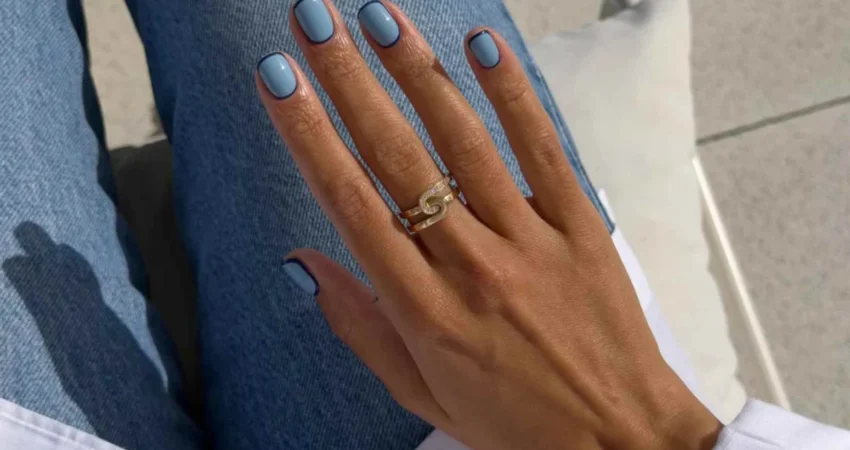
From a technical standpoint, blue sits opposite orange on the color wheel. This makes turquoise, cyan, and "Tiffany Blue" the most scientifically effective colors for making skin look "more orange" (i.e., more tanned). The coolness of the blue pigment forces the warm tones in the skin to stand out with greater intensity. This choice is often perceived as more daring and is highly popular among younger demographics and those in creative industries. The high saturation of these colors ensures that the contrast remains visible even as the natural tan begins to lighten.
Market Impact and Consumer Behavior
The global nail care market, valued at over $10 billion, has seen a significant shift toward "functional beauty." Consumers are no longer choosing colors based solely on personal preference but are increasingly influenced by the "benefit" the color provides, such as skin brightening or tan enhancement. This shift is heavily driven by social media platforms like Instagram and TikTok, where the hashtag #TanningManicure has garnered millions of views.
In response to this demand, major polish manufacturers have begun releasing "End of Summer" capsules specifically designed with high-contrast pigments. Professional nail technicians report that clients are increasingly asking for "September shades" that will help them transition back to the office without losing their holiday radiance. This has led to an increase in the average spend per salon visit, as clients often opt for additional treatments, such as exfoliating hand masks and paraffin waxes, to ensure the skin texture matches the high quality of the manicure.

Expert Recommendations for Maintenance and Longevity
To maximize the effect of these "bronzing" manicures, experts emphasize that the condition of the skin is just as important as the color of the polish. Dehydrated, post-summer skin can appear ashy or dull, which negates the brightening effect of the manicure.
- Hydration and Exfoliation: Professional estheticians recommend a regimen of gentle chemical exfoliation (using AHAs or BHAs) followed by intense hydration. Removing dead skin cells allows the "new" tan underneath to show through and ensures a smooth surface for the polish.
- Cuticle Care: A tan is most visible where the skin meets the nail. Well-maintained, hydrated cuticles prevent the "ragged" look that can distract from the color’s enhancing properties.
- The "High-Gloss" Requirement: Regardless of the color chosen, a high-gloss topcoat is essential for the tan-enhancing effect. The reflection of light off the nail surface creates a halo effect that improves the overall luminosity of the hand.
Broader Implications for the Beauty Industry
The focus on tan-enhancing manicures reflects a broader cultural desire to extend the "wellness" associated with summer. In a post-pandemic landscape, the "glow" of a tan is often equated with health, relaxation, and a high quality of life. By using beauty products to prolong this appearance, consumers are engaging in a form of psychological mood management, easing the transition from the freedom of summer to the structure of the fourth quarter.
As the industry moves toward 2027, we can expect to see even more sophisticated developments in pigment technology, including "smart" polishes that adapt to the wearer’s skin undertones. For now, the strategic use of milky whites, warm corals, and vibrant blues remains the most effective, evidence-based method for maintaining a sun-kissed look well into the autumn months. These colors provide more than just an aesthetic update; they serve as a visual reminder of the summer season, preserved through the calculated application of color science and professional artistry.

0 Comments