
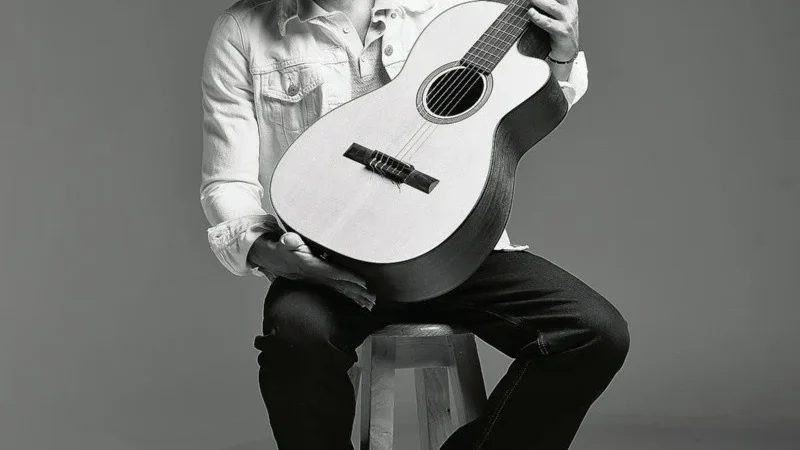
Twenty years after embarking on their distinctive musical journey, the acclaimed Argentine-Mexican ensemble Paté de Fuá is set to grace Guadalajara with a celebratory concert, marking two decades of artistic innovation and unwavering commitment to their craft. The group will perform on September 11 at the prestigious Teatro Diana, as a pivotal part of their "La Vuelta al Mundo de Paté de Fuá" (The World Tour of Paté de Fuá) tour, promising an immersive retrospective of their diverse repertoire. This highly anticipated event not only commemorates a significant milestone for the band but also represents a long-held aspiration for its members, particularly for Yayo González, the band’s director, composer, guitarist, and vocalist.
In a recent interview, Yayo González reflected on the band’s enduring trajectory, acknowledging the profound transformations that have shaped Paté de Fuá since its inception. These changes extend beyond mere shifts in band members or internal dynamics; they encompass an evolution of influences and a fundamental alteration in how audiences engage with music. González succinctly encapsulated this continuous metamorphosis, stating, "We were and will be others," underscoring the band’s philosophy of constant artistic renewal. While a core segment of their fanbase has remained steadfast for years, new generations of listeners have progressively discovered and embraced Paté de Fuá’s unique sound, a phenomenon González perceives as running parallel to the band’s inherent evolution.
The Enduring Allure of Paté de Fuá: A Journey Through Sound
Formed in Mexico City, Paté de Fuá quickly distinguished itself with a genre-bending sound that defies easy categorization. Their music is a vibrant tapestry woven from diverse threads, including tango, jazz, traditional Mexican folk, klezmer, gypsy music, and cabaret. This eclectic fusion, characterized by sophisticated arrangements, poetic lyrics, and a theatrical flair, has garnered critical acclaim and a dedicated following across Latin America and beyond. From their early albums, which introduced their distinctive instrumental prowess and narrative songwriting, to their more recent works, the band has consistently pushed creative boundaries while maintaining an identifiable sonic signature. This commitment to musical exploration has been key to their longevity and ability to attract a broad demographic, from seasoned music connoisseurs to younger audiences seeking alternatives to mainstream sounds.
González elaborated on the dynamic nature of their audience, noting, "The audience changes, because although we keep a lot of our audience — and that’s curious for a band like Paté — I go to concerts and I see many faces who have followed us for 15, 20 years, some of our most loyal and dedicated fans. After that, the audience inevitably renews itself, and one sees it simply as a matter of ages." This dual presence of long-time devotees and fresh faces speaks volumes about the band’s universal appeal and its capacity to transcend generational divides.
The band’s musical evolution, according to González, is an organic outcome of personal growth and shifting experiences. "It is practically impossible for music not to change, because one changes, and the music we make changes with us," he affirmed. Over two decades, Paté de Fuá has navigated numerous internal and external shifts, including changes in personnel and creative methodologies. While certain foundational influences may persist, new stimuli constantly emerge, integrating themselves into the band’s creative process. González likened this to an absorbent, permeable artistic sensibility: "We are like sponges that are constantly discovering new things. In reality, trying to control what reaches us is just an illusion; we don’t have that much control." This perspective highlights a creative process driven by curiosity and openness, rather than rigid adherence to a predefined style.
Navigating the Digital Tides: Creating Without Haste
Paté de Fuá commenced its journey during an era when physical albums still held significant cultural and economic weight. Today, their music thrives in a landscape dominated by digital streaming platforms and an incessant pursuit of immediate attention. González observes this seismic shift from his unique vantage point, acknowledging its pervasive impact but also identifying a growing counter-response among artists. He sees a movement of creators striving to develop musical propositions that intentionally diverge from the prevailing norms of rapid consumption.
"In a market that prioritizes anxiety, that places the ‘hook’ at the center of creation and the need to immediately capture attention, and in which we are all contaminated by this pandemic of anxiety, egoism, and this slavery we have to screens, I feel there is a response from some artists who offer an alternative proposal," González articulated. He emphasized that this distinction is not about judging artistic merit, but rather recognizing the existence of diverse approaches to musical creation. "There is always a countercurrent. It has always existed in all eras; it is something natural," he posited, framing Paté de Fuá’s sustained artistic integrity within a broader historical context of artistic resistance to commercial pressures.
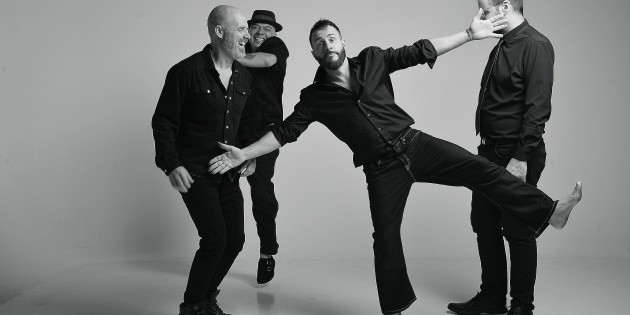
In this rapidly evolving digital ecosystem, Paté de Fuá has steadfastly maintained a creative methodology deeply rooted in the personal convictions and artistic impulses of its members. González firmly dismisses the notion that a song is ever conceived with the deliberate intent of altering the band’s style to appeal to a wider audience. Instead, the band’s creative process is an arduous and deeply personal endeavor that commences long before a song ever reaches the public ear.
González meticulously outlined this intricate journey: "Writing it for months, sometimes even years, until it’s finished. When it’s finished, doing a pre-production, seeing how you would carry it out, with what rhythm, how you think this song can reach its greatest dimension. Then it’s recording it, paying the musicians, correcting, doing the post-production, the mix, the mastering, releasing it, promoting it." This detailed description underscores the immense effort, time, and financial investment involved in bringing a single piece of music to fruition. Consequently, González stresses that such an extensive chain of effort necessitates a profound and authentic personal connection to the material being created. "You cannot carry out that entire chain of effort if that idea doesn’t truly motivate you. You have to have a very personal conviction; a very intimate and healthy relationship with the song." This philosophy distinguishes Paté de Fuá in an industry often criticized for prioritizing expediency and commercial viability over artistic depth.
Guadalajara: A Cultural Beacon and a Dream Fulfilled
The culmination of Paté de Fuá’s two-decade narrative will arrive in Guadalajara, a city that holds a particularly cherished place for Yayo González and the band. The capital of Jalisco occupies a special position not only due to the strong bond Paté de Fuá has forged with its local audience but also for its recognized prominence in Mexico’s broader cultural landscape. González affectionately described Guadalajara as "one of our favorite cities" and a veritable "cultural and musical lighthouse," teeming with artists and boasting a highly sensitive, knowledgeable, and discerning audience.
Guadalajara’s reputation as a vibrant cultural hub is well-deserved. It is home to numerous prestigious cultural institutions, art galleries, and music venues, fostering a dynamic environment for artistic expression. The city hosts major events like the Guadalajara International Film Festival and the Guadalajara International Book Fair, further cementing its status as a nexus for creative industries. This rich cultural tapestry makes it an ideal setting for Paté de Fuá’s retrospective performance, resonating with an audience known for its appreciation of sophisticated and innovative artistic endeavors.
The upcoming performance at the Teatro Diana carries an additional layer of significance for González. After two decades of touring and countless performances, this will mark the first occasion Paté de Fuá has played in this iconic venue. The Teatro Diana, with its grand architecture and rich history, has long been a dream stage for the musician. Originally opened in 1950 as a cinema, it was meticulously restored and reopened in 2004 as a state-of-the-art performing arts center, boasting a seating capacity of approximately 2,400. Its elegant ambiance and acoustic excellence make it a coveted stage for both national and international artists.
"I love that we can go, especially for the first time at Teatro Diana, which for me is truly a dream because it’s a theater where I’ve wanted to play for 20 years," González shared, expressing a palpable sense of anticipation and fulfillment. "We had been looking for that concert. Once we almost did one, and unfortunately, it fell through." This long-awaited debut underscores the band’s perseverance and the mutual respect that has grown between Paté de Fuá and its Guadalajara fanbase. The September 11 concert at Teatro Diana is thus more than just a performance; it is the realization of a long-held ambition and a testament to the band’s enduring connection with one of Mexico’s most culturally vibrant cities.
Broader Implications and Legacy
Paté de Fuá’s two-decade journey offers a compelling case study in artistic resilience and integrity within a rapidly shifting music industry. Their sustained success, built on a foundation of genre experimentation and a deeply personal creative process, provides a counter-narrative to the prevailing trends of rapid consumption and commercial pressures. By prioritizing authenticity and artistic vision over fleeting trends, Paté de Fuá has not only cultivated a loyal and expanding audience but has also carved out a unique and influential niche in the Latin American music scene.
Their approach—rooted in meticulous craftsmanship and an intimate connection to their material—serves as an inspiration for emerging artists navigating the complexities of the digital age. It demonstrates that artistic depth and commercial viability are not mutually exclusive, and that a commitment to one’s unique voice can yield enduring success. The "La Vuelta al Mundo de Paté de Fuá" tour, and particularly the Guadalajara concert, is not merely a celebration of past achievements; it is a reaffirmation of their artistic philosophy and a promise of continued evolution. As Paté de Fuá steps onto the stage of Teatro Diana, they will not only be performing a collection of songs but also embodying a legacy of independent artistry and a vibrant future for music that dares to defy easy definition.

0 Comments