
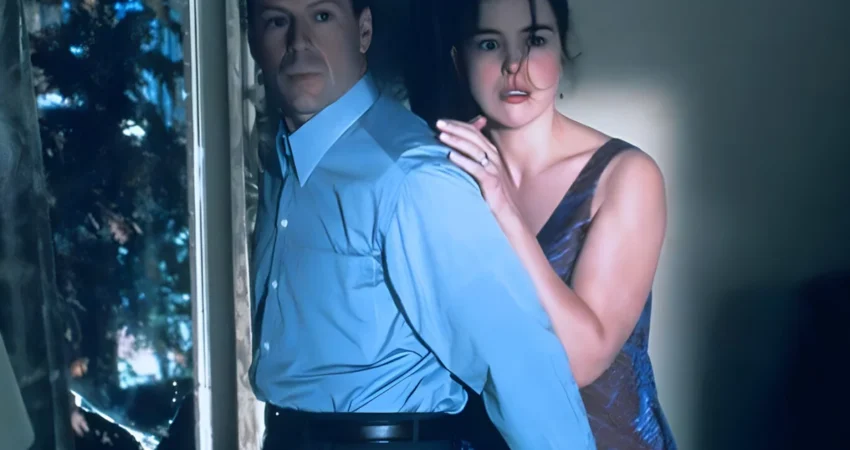
The inclusion of M. Night Shyamalan’s 1999 masterpiece, The Sixth Sense, in the Netflix streaming catalog marks a significant moment for contemporary audiences and cinephiles alike. While the film has long been available on platforms such as Disney+, its arrival on Netflix—a service with a vast global reach—reintroduces one of the most culturally significant films of the late 20th century to a new generation. Released during a transformative year for American cinema, the film did more than just terrify audiences; it fundamentally altered the structural expectations of the psychological thriller and established Shyamalan as a household name. Starring Bruce Willis in one of his most restrained and lauded performances and featuring a breakout turn by Haley Joel Osment, the film remains a masterclass in atmospheric tension and narrative precision.
The Narrative Foundation and the Psychological Horror Paradigm
The Sixth Sense follows Dr. Malcolm Crowe (Bruce Willis), a distinguished child psychologist in Philadelphia who is haunted by his failure to help a former patient. His quest for redemption leads him to Cole Sear (Haley Joel Osment), a terrified eight-year-old boy who claims to see the spirits of the dead walking among the living. Unlike the visceral, "slasher" style horror that dominated much of the 1980s and early 90s, The Sixth Sense relies on a slow-burn psychological approach. The horror is derived not from jump scares, but from the profound isolation of its protagonist and the heavy, melancholic atmosphere of a world where the boundary between life and death is porous.
The film’s screenplay, also written by Shyamalan, is celebrated for its meticulous construction. It functions as a dual narrative: on the surface, it is a supernatural mystery, but at its core, it is a drama about communication and the emotional distance between people. The relationship between Cole and his mother, Lynn Sear (played by Toni Collette), provides the emotional stakes that ground the supernatural elements. This groundedness allowed the film to transcend the "horror" label and gain acceptance from the Academy of Motion Picture Arts and Sciences, a feat rarely achieved by films in this genre.
Historical Context: The Miracle Year of 1999
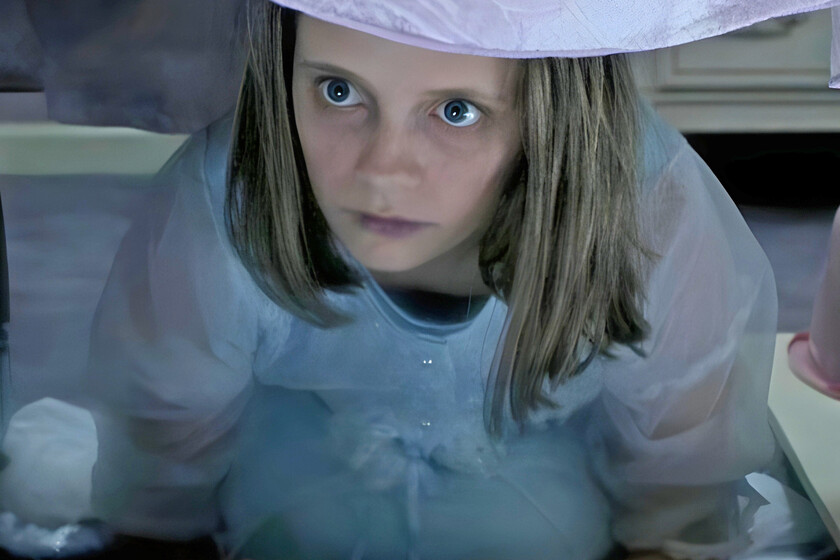
To understand the impact of The Sixth Sense, one must look at the cinematic landscape of 1999. It was a year often cited by critics as one of the best in film history, seeing the release of The Matrix, Fight Club, Magnolia, and American Beauty. Amidst these high-concept and stylistically aggressive films, The Sixth Sense emerged as a quiet, somber alternative.
The film’s production was a calculated risk for Disney’s Touchstone Pictures. M. Night Shyamalan was a relatively unknown director at the time, with only two minor films to his credit. However, the strength of the script led to a competitive bidding war. The production budget was approximately $40 million—a modest sum by today’s standards but a significant investment for a psychological drama at the time. When the film opened in August 1999, it exceeded all commercial expectations, staying at the number one spot at the domestic box office for five consecutive weeks. It eventually became the second highest-grossing film of the year, trailing only Star Wars: Episode I – The Phantom Menace.
Statistical Analysis and Commercial Performance
The financial success of The Sixth Sense is a testament to its word-of-mouth appeal. In an era before social media, the film’s legendary "twist ending" became a cultural phenomenon that compelled audiences to see the movie multiple times to find the clues they had missed.
According to data from Box Office Mojo, the film earned $293.5 million in the United States and Canada, and an additional $379.3 million in international markets, bringing its total global box office to $672.8 million. Adjusted for inflation, this figure remains staggering for a R-rated (in some territories) or PG-13 psychological thriller.

On critical aggregators, the film maintains a rare level of consistency. Rotten Tomatoes reports an 86% approval rating from critics based on over 160 reviews, with an audience score of 90%. Metacritic, which uses a weighted average, assigns the film a score of 64, though contemporary retrospective reviews often suggest a much higher critical standing. The film’s longevity is further evidenced by its frequent inclusion in American Film Institute (AFI) lists, including "AFI’s 100 Years…100 Thrills," where it ranks at number 15.
The Critical Legacy and the Academy Awards
While horror films are frequently overlooked by major award bodies, The Sixth Sense was a notable exception. The film received six Academy Award nominations, including:
- Best Picture
- Best Director (M. Night Shyamalan)
- Best Original Screenplay (M. Night Shyamalan)
- Best Supporting Actor (Haley Joel Osment)
- Best Supporting Actress (Toni Collette)
- Best Film Editing (Andrew Mondshein)
Haley Joel Osment’s nomination was particularly historic; at age 11, he became one of the youngest actors ever nominated in the Supporting Actor category. His performance, characterized by a haunting maturity and the delivery of the iconic line "I see dead people," is often cited as one of the greatest child performances in cinema history. Although the film did not win in any of its categories—losing Best Picture to American Beauty—the sheer volume of nominations solidified its status as a prestige film rather than a mere genre exercise.
Technical Execution and Visual Language
A significant portion of the film’s success can be attributed to its technical craftsmanship. Cinematographer Tak Fujimoto used a muted color palette to emphasize the cold, lonely atmosphere of Philadelphia. One of the most famous aspects of the film’s visual language is the strategic use of the color red. Shyamalan and his team used red to signify anything in the real world that had been "tainted" by the supernatural or to indicate a point of connection between the two worlds. This visual cue—whether it be a door handle, a sweater, or a balloon—serves as a subconscious guide for the viewer, rewarding those who pay close attention.
The sound design also plays a critical role. The film utilizes silence and ambient noise to create a sense of unease, making the moments of supernatural intrusion feel more jarring. James Newton Howard’s score avoids the melodramatic tropes of horror music, opting instead for a somber, orchestral tone that reflects the sadness of the spirits and the living characters alike.
Broader Impact and the "Shyamalan Twist"
The Sixth Sense effectively launched M. Night Shyamalan’s career and established his signature "twist ending" trope. While this became a double-edged sword for the director in later years—leading to heightened expectations that were sometimes difficult to meet—it revolutionized how audiences engaged with thrillers. The film encouraged a "detective" style of viewing, where the audience is invited to re-examine every scene through a new lens once the final revelation is made.
The film’s influence can be seen in subsequent supernatural hits such as The Others (2001) and The Orphanage (2007), which similarly prioritized atmosphere and emotional depth over gore. Furthermore, the line "I see dead people" has transcended the film to become a permanent fixture in the global cultural lexicon, parodied and referenced in countless television shows, movies, and memes.
Streaming in the Modern Era: Why Netflix Matters
The arrival of The Sixth Sense on Netflix is more than just a routine content update. In the current "peak TV" and streaming era, classic cinema often gets buried under a mountain of new releases. By placing this 1999 classic on its front page, Netflix provides an opportunity for a "cultural re-evaluation." For those who grew up with the film, it is a chance to witness the technical brilliance that may have been overshadowed by the initial shock of the ending. For new viewers who may already know the "spoiler," the film offers a masterclass in how to build a narrative where the journey is just as compelling as the destination.

In conclusion, The Sixth Sense remains a cornerstone of modern cinema. Its blend of high-concept supernatural horror and deeply human drama ensures that it remains as relevant today as it was in 1999. As it begins its new tenure on Netflix, the film stands as a reminder of a time when a mid-budget psychological thriller could capture the world’s imagination, proving that the most enduring ghosts are often the ones created by our own unresolved grief and the need for human connection.

0 Comments