
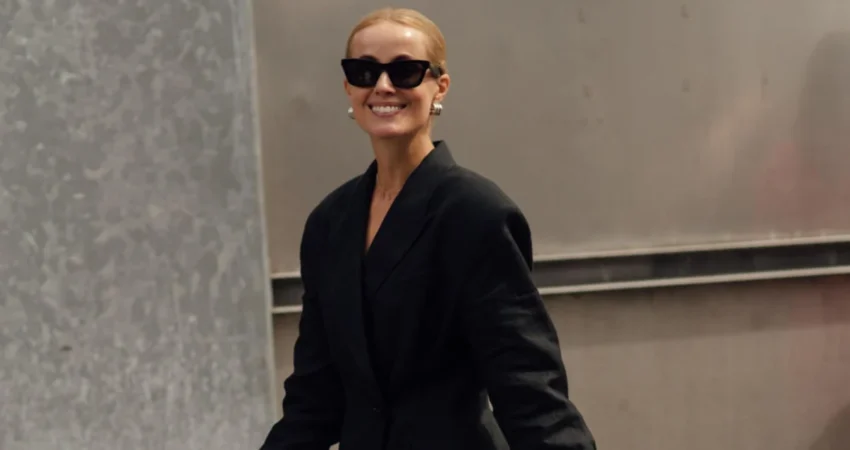
The fashion landscape in Madrid is undergoing a seasonal pivot as temperatures begin to descend, signaling a transition from the minimalist sandals and lightweight summer linens of August to a more structured, sophisticated wardrobe for Autumn 2026. As the metropolitan climate shifts, the retail sector is witnessing a surge in demand for the "silent luxury" aesthetic—a trend characterized by high-quality fabrics, understated silhouettes, and a lack of overt branding. Leading high-street retailers, most notably Zara, alongside several prominent Spanish labels, have responded to this demand by launching collections that prioritize timeless elegance over transient fads, often at price points accessible to a broader consumer base. The current market focuses on long dresses and coordinated two-piece sets that offer versatility for both professional environments and social engagements, marking a significant evolution in the high-street interpretation of luxury.

The Evolution of Silent Luxury in the High-Street Sector
The concept of silent luxury, or "quiet luxury," has transitioned from a niche preference within the ultra-high-net-worth demographic to a dominant force in mainstream retail. Historically associated with heritage brands such as Loro Piana or The Row, the aesthetic emphasizes the intrinsic value of a garment—its cut, its drape, and its material composition—rather than its external logo. In 2026, this movement has been fully integrated into the strategy of mass-market giants like Zara. By refining their production processes and focusing on "premium" capsules, these retailers are bridging the gap between fast fashion and aspirational luxury.
Market analysts suggest that the rise of silent luxury is a direct response to a global shift toward more conscious consumption. Consumers are increasingly seeking "investment pieces" that can withstand multiple seasons. This trend is particularly evident in the Autumn 2026 collections, where the emphasis is on earth tones, fluid trousers, and satin finishes. The objective is to provide garments that appear significantly more expensive than their retail price, utilizing tailored fits and sophisticated palettes such as chocolate brown, charcoal, and deep aubergine to convey a sense of curated refinement.

Strategic Selection: Key Silhouettes for the Autumn Season
The Autumn 2026 collections are anchored by two primary categories: the elongated midi or maxi dress and the coordinated set. These pieces are designed to function as the foundation of a modern wardrobe, offering a high degree of "cost-per-wear" efficiency.
The Long Dress: Versatility and Sophistication
For the current season, the long dress has been reimagined with a focus on texture and movement. Zara and its competitors have introduced designs that utilize knit fabrics for comfort and satin for evening transitions. A notable example within the current market is the chocolate-colored maxi dress, which has emerged as a staple for the 2026 season. Brands such as Tinta y Bariloche have leaned into this trend, offering smooth, floor-length options that include subtle accessories like integrated necklaces to enhance the "total look" without requiring additional styling.

Furthermore, the "2-in-1" hybrid dress—pioneered by brands like Sandro—has gained traction. These garments often feature asymmetrical cuts, tailored collars, and pleated skirts, mimicking the appearance of a coordinated jacket and skirt while offering the ease of a single piece. This architectural approach to dressmaking is a hallmark of the silent luxury movement, focusing on structural integrity rather than decorative excess.
Coordinated Sets: The Modern Uniform
The resurgence of the two-piece set reflects a broader move toward effortless dressing. These "total looks" eliminate the complexity of matching separate items while providing a polished, cohesive appearance. For Autumn 2026, the material palette for these sets has expanded beyond traditional wool and cotton.

- Fluid Denim: Denim is no longer restricted to casual wear. High-end Spanish labels such as Badits have introduced "fluid denim" sets, consisting of wrap shirts and wide-leg trousers. This treatment of denim as a luxury fabric allows it to be worn in professional settings, provided the silhouette remains tailored and the wash is uniform.
- The Pinstripe Revival: The classic "raya diplomática" or pinstripe has returned, but with a color-forward twist. Brands like Coosy are utilizing deep burgundy or "vino" backgrounds for pinstriped blazers and trousers, offering a sophisticated alternative to the traditional navy or black power suit.
- Draped Khaki and Earth Tones: Soft khaki and sage greens are being used in draped blouses and fluid trousers, as seen in the latest releases from Maksu. These sets prioritize comfort through elasticated waists and breathable fabrics while maintaining a high-fashion edge through sophisticated draping techniques.
Economic Context and Market Data
The shift toward affordable luxury comes at a time of stabilizing inflation within the Eurozone, allowing for a modest increase in discretionary spending on apparel. According to retail data from the third quarter of 2026, there has been a 12% year-over-year increase in the "Premium High-Street" segment. Consumers are reportedly spending 15% more per item on average compared to 2024, but they are purchasing fewer items overall, indicating a preference for quality over quantity.
Spanish retailers have been particularly successful in this environment. Inditex, the parent company of Zara, reported that its "Studio" and "Origins" collections—which lean heavily into the silent luxury aesthetic—now account for approximately 18% of its total revenue, up from 11% two years prior. This suggests that the consumer base is increasingly willing to pay a slight premium for better materials and more sophisticated designs, provided they remain significantly below the price points of traditional luxury houses.

Chronology of the Trend: From Runway to Street
The timeline of the silent luxury trend for Autumn 2026 began during the February fashion weeks in Paris and Milan. Designers showcased a return to "real clothes"—garments that were wearable, functional, and devoid of gimmicks. By May 2026, high-street trend forecasters had identified key colors—specifically "chocolate" and "aubergine"—as the primary palette for the upcoming autumn.
Throughout the summer of 2026, retailers began phasing out the vibrant, "dopamine dressing" colors of previous years in favor of a more muted, monochromatic approach. By the time the first autumn drops arrived in late August, the market was saturated with the minimalist aesthetic. This transition has been bolstered by social media "influencers" who have pivoted from showing high-volume "hauls" to showcasing "capsule wardrobes," further reinforcing the silent luxury narrative.

Industry Perspectives and Stylist Analysis
Fashion industry experts suggest that the current obsession with silent luxury is more than just a seasonal trend; it is a recalibration of the fashion system. "We are seeing a rejection of the ‘disposable’ culture that defined the 2010s," notes Elena Varela, a senior fashion consultant based in Madrid. "The Autumn 2026 collections at Zara and other Spanish brands are not just about looking rich; they are about looking discerning. There is a newfound respect for the ‘fondo de armario’ or wardrobe foundation."
Stylists emphasize that the success of these pieces lies in their adaptability. A satin midi dress from Polín et Moi, priced under €80, can be styled with a blazer for a corporate environment or with statement jewelry for a gala. This versatility is the primary driver of the trend’s longevity. The absence of logos ensures that the garments do not become dated, allowing them to remain relevant in a consumer’s rotation for several years.

Broader Implications: Sustainability and Local Production
The silent luxury movement also intersects with the growing demand for sustainability in fashion. Because the aesthetic relies on timelessness, it inherently discourages the rapid turnover of clothing. While mass-market retailers like Zara still operate on a large-scale production model, the shift toward higher-quality "investment" pieces is a step toward reducing textile waste.
Furthermore, several of the brands highlighted in the current autumn season, such as Tinta y Bariloche and Coosy, emphasize their "Made in Spain" or "Designed in Spain" credentials. This focus on local craftsmanship and regional design identity adds a layer of authenticity to the silent luxury trend. For the 2026 consumer, the story behind the garment—where it was made and the quality of its construction—is becoming as important as the garment itself.

Future Outlook for Winter 2026/27
As the season progresses toward winter, the silent luxury aesthetic is expected to evolve with the inclusion of heavier textures, such as cashmere blends, structured wool coats, and leather separates. The color palette is projected to darken further, incorporating forest greens and deep navy, while maintaining the logo-free, minimalist ethos.
The success of the Autumn 2026 collections has set a new benchmark for the high street. Retailers have proven that they can deliver sophistication and elegance at a fraction of the cost of traditional luxury brands. As long as consumers continue to prioritize value and longevity, the era of silent luxury is likely to remain the dominant force in the global fashion industry for the foreseeable future. This strategic shift not only benefits the consumer’s aesthetic and budget but also signals a more mature, thoughtful approach to the business of fashion.

0 Comments