
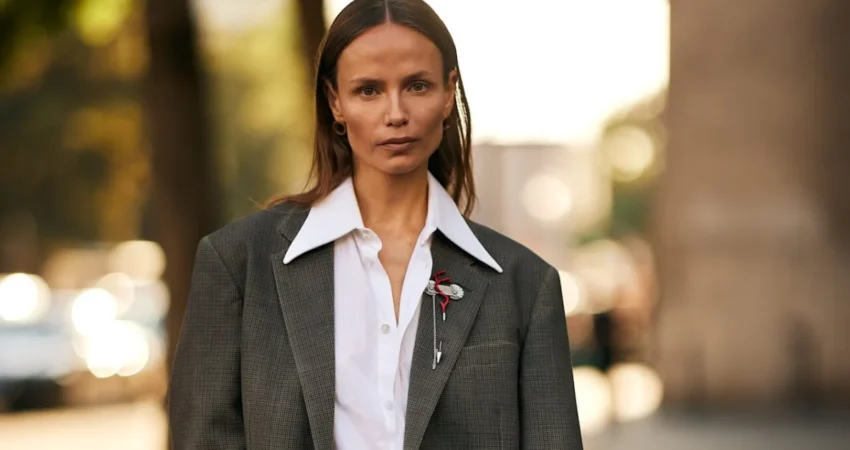
As the transition from the scorching summer months to the crisp air of autumn begins, the global fragrance market experiences a significant shift in consumer preferences. September, traditionally viewed as a month of renewal and professional reinvention, demands a specific olfactory profile that bridges the gap between the vibrant energy of vacation and the disciplined structure of the workplace. While citrus fragrances have long been associated with the ephemeral heat of July and August, a new generation of sophisticated compositions is challenging the seasonal status quo. Leading this movement is Acqua di Parma’s Arancia di Capri La Riserva, a fragrance that has captured the attention of industry experts for its ability to evoke the pristine sensation of a freshly ironed white shirt while maintaining the depth required for the cooler months.
The Evolution of the Mediterranean Olfactory Identity
To understand the significance of a citrus fragrance designed for autumn, one must look at the heritage of Italian perfumery. For over a century, the Mediterranean aesthetic has been defined by "Colonia"—a light, citrus-heavy water intended for refreshment. However, the modern consumer seeks longevity and complexity, leading brands like Acqua di Parma to evolve their classic DNA.
The Blu Mediterraneo collection, which serves as the foundation for Arancia di Capri, was originally conceived to capture the spirit of specific Italian coastal regions. The introduction of the "La Riserva" edition represents a premiumization of this concept. Unlike standard citrus waters that dissipate within hours, this Eau de Parfum iteration utilizes a rigorous two-month maceration process. This period of maturation allows the volatile citrus molecules to bond more effectively with the heavier base notes, resulting in a fragrance that retains its brightness while developing a structural integrity suited for the professional environment.

Technical Composition: A Multi-Layered Sensory Experience
The allure of Arancia di Capri La Riserva lies in its meticulous construction. The fragrance opens with a luminous trio of Italian blood orange, mandarin, and petitgrain bigarade. In traditional perfumery, these notes are often fleeting; however, in this composition, they are treated with a level of concentration that provides an immediate sense of "pulcritud"—a Spanish term denoting extreme cleanliness and order.
As the initial citrus burst settles, the fragrance enters its heart, where the "Mediterranean" character is reinforced through aromatic herbs. The inclusion of Italian rosemary and basil provides a green, herbaceous relief that prevents the citrus from becoming overly sweet or reminiscent of confectionary. This stage is further enhanced by a mineral and salty accord, which mimics the scent of sea salt drying on skin—a subtle nod to the departing summer that remains grounded by the structure of the herbs.
The true autumnal shift occurs in the base notes. The fragrance concludes with a sophisticated blend of cedarwood, ambretolide (a high-quality macrocyclic musk), and a unique suede accord. These elements provide the "warmth" necessary for September and October. The suede, in particular, adds a tactile, velvety dimension that transforms the scent from a simple refreshing water into a "skin scent" that lingers on the collars of coats and silk scarves. It is this combination of radiant top notes and a grounded, leathery base that creates the "white shirt" effect: a scent that is crisp, structured, and impeccably polished.
Market Trends: The Rise of "Quiet Luxury" in Fragrance
The popularity of such fragrances aligns with the broader "Quiet Luxury" or "Old Money" aesthetic that has dominated fashion and lifestyle sectors over the last two years. Consumers are increasingly moving away from "beast mode" fragrances—scents with aggressive projection and heavy gourmand or oud profiles—in favor of "skin-close" scents that signal cleanliness and high-status discretion.

Market data from the prestige fragrance sector indicates a growing demand for scents that function as an extension of personal grooming rather than a mask. The "clean" scent category, which includes notes of soap, steam, and fresh linen, has seen a 15% year-over-year increase in search volume. Arancia di Capri La Riserva taps into this trend by offering a citrus that feels "adult" and "polished," making it an ideal candidate for the return to the office, where olfactory etiquette requires scents that are noticeable yet non-invasive.
Sustainability and Craftsmanship: The Guerlain Alternative
Acqua di Parma is not alone in this seasonal pivot. Guerlain, another titan of heritage perfumery, has expanded its Aqua Allegoria line to include the "Forte" collection. Specifically, Mandarine Basilic Forte serves as a compelling alternative for those seeking to prolong the summer spirit into the autumn.
The Guerlain composition focuses on the interplay between Italian mandarin and basil, but it distinguishes itself through the addition of a vanilla tincture and sandalwood. These base notes provide a creamy, golden warmth that reflects the changing light of the autumn sun. Beyond the scent itself, Guerlain’s approach highlights a critical shift in the industry: the move toward sustainable luxury.
Mandarine Basilic Forte is formulated with over 90% ingredients of natural origin. Furthermore, the brand has introduced a refillable and recyclable bottle design, manufactured in France using 15% recycled glass. This commitment to "responsible perfumery" resonates with a demographic that views luxury through the lens of environmental stewardship. The ability to refill a high-end fragrance bottle not only reduces waste but also fosters a long-term relationship between the consumer and their "signature scent."

The Psychology of September: Fragrance as a Tool for Transition
Psychologists specializing in sensory perception often note that scent is the fastest way to alter one’s internal state. The "Back to School" or "Back to Work" period in September is frequently associated with increased stress and the "post-vacation blues." Utilizing a fragrance that combines the uplifting properties of citrus with the stabilizing effects of wood and musk can serve as a powerful psychological anchor.
Citrus oils, particularly orange and bergamot, are documented in aromatherapy for their mood-enhancing and energizing properties. Conversely, cedarwood and musk are associated with grounding and focus. By wearing a composition like Arancia di Capri La Riserva, a professional can maintain a sense of summer vitality while projecting an image of autumnal readiness and stability.
Implications for the Global Fragrance Industry
The success of these "elevated citruses" suggests a permanent change in how seasonal fragrances are marketed. The traditional binary—citrus for summer, spice/wood for winter—is dissolving. In its place is a more nuanced "transitional" category.
- Concentration Shifts: We are seeing more citrus-dominant scents released as Eau de Parfum or Extrait de Parfum, challenging the notion that citrus must be low-concentration.
- Maceration as a Marketing Tool: Brands are increasingly highlighting the "aging" or "maceration" process (such as Acqua di Parma’s two-month period) to justify premium pricing and to signal artisanal quality to a more educated consumer base.
- The Office-Safe Niche: As remote work fluctuates and hybrid models become standard, there is a renewed focus on "office-safe" luxury. Fragrances that smell like "clean laundry" or "ironed shirts" are the olfactory equivalent of a well-tailored blazer—versatile, professional, and timeless.
Conclusion: A New Olfactory Standard
The transition into autumn no longer requires the immediate abandonment of the Mediterranean spirit. Through sophisticated blending techniques and longer maturation processes, houses like Acqua di Parma and Guerlain have proven that citrus can possess the gravitas required for the boardroom and the warmth needed for a cooling climate.

Arancia di Capri La Riserva stands as a testament to this evolution. It is a fragrance that does not shout; rather, it whispers of sea salt, aromatic gardens, and the quiet confidence of a person who values the subtle elegance of a white shirt. As we move further into the decade, the demand for these luminous, clean, and sophisticated compositions is expected to grow, cementing the "autumnal citrus" as a staple of the modern fragrance wardrobe. Whether through the mineral depths of Acqua di Parma or the sustainable warmth of Guerlain, the message is clear: the scent of summer can be refined, matured, and carried forward into the new season with impeccable style.

0 Comments