
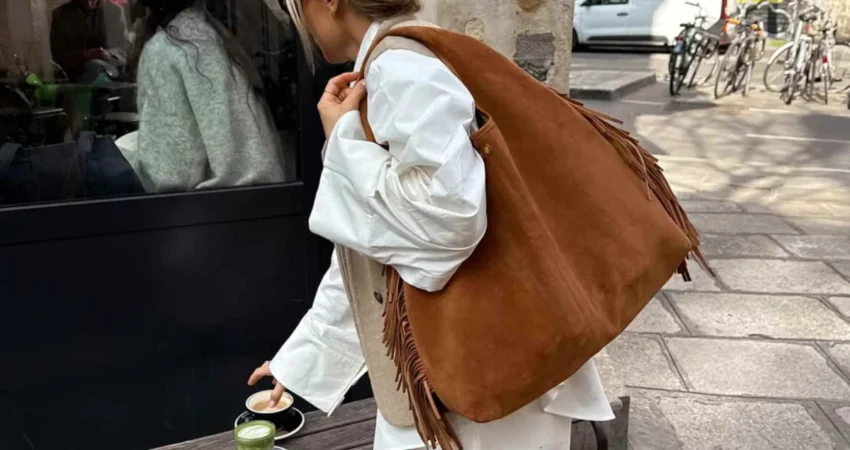
The traditional return to the office, a seasonal transition often referred to in European fashion circles as "la rentrée," has undergone a significant transformation in the wake of shifting global work cultures. No longer is the professional wardrobe merely a collection of aesthetic choices; it has become a logistical necessity, centered increasingly on the "everything bag." This shift is characterized by a move away from the micro-bag trends of previous years toward the XXL leather tote—a silhouette that offers the capacity to house laptops, personal tech, beauty essentials, and the miscellaneous items required for a hybrid lifestyle. Within this landscape, the Spanish leather industry has emerged as a global leader, blending centuries-old artisanal techniques with contemporary design to capture a market that increasingly values longevity, local production, and "quiet luxury."

The Socio-Economic Landscape of Spanish Leather Craftsmanship
Spain has long been recognized as a cornerstone of the global luxury leather market. Regions such as Ubrique, in the province of Cádiz, serve as the manufacturing hub for some of the world’s most prestigious fashion houses. According to data from the Spanish Association of Manufacturers of Leather Goods (ASEFOCI), the sector has seen a steady recovery in export volumes, with Spanish-made leather goods reaching record valuations in international markets. This resurgence is driven by a consumer base that is moving away from the "fast fashion" cycle. Instead, modern professionals are seeking "investment pieces"—items that carry a higher initial price point but offer a lower cost-per-wear due to their durability and timelessness.
The "Made in Spain" label has become synonymous with a specific type of artisanal integrity. Unlike mass-produced items, Spanish leather goods often utilize vegetable tanning processes and hand-stitching techniques that have been passed down through generations. This heritage provides a compelling narrative for brands looking to differentiate themselves in a crowded marketplace. As the 2024-2025 autumn/winter season approaches, the focus has narrowed on the XXL tote, a product that serves as the intersection of traditional craftsmanship and modern utility.

A Chronology of the Bag: From Aesthetic to Utility
The evolution of the office bag reflects broader changes in the professional environment. In the late 20th century, the structured briefcase was the standard for both men and women, signaling a rigid, paper-based professional world. The 1990s and 2000s saw the rise of the "It-bag," where brand recognition and avant-garde shapes took precedence over daily functionality. However, the post-pandemic era has necessitated a more pragmatic approach.
As hybrid work models become the norm, the "office" is no longer a fixed location. Professionals now commute with more equipment than ever before, including tablets, ergonomic accessories, and personal wellness items. This logistical demand has birthed the "Big Bag Energy" trend. Market analysis suggests that sales of oversized totes (measuring 40cm or more in width) have grown by nearly 25% year-on-year, outpacing the growth of traditional crossbody and shoulder bags. The nine brands highlighted in recent fashion audits represent the vanguard of this movement, each offering a unique interpretation of the XXL leather silhouette.

Leading Brands and the Artisanal Identity
The current market is defined by several key players who have successfully navigated the transition to large-scale functional luxury. Each brand brings a specific regional or aesthetic perspective to the "Made in Spain" movement.
Lonbali and the Patterned Professionalism
Based in Barcelona, Lonbali has traditionally been known for its signature printed shoppers. However, their recent pivot toward high-quality leather models, such as the Carolina Tote, signals an expansion into the premium executive market. By utilizing earthy tones and structured hides, the brand appeals to a demographic that requires a bag to transition from a boardroom setting to international travel.

Lupo Barcelona: The Architectural Influence
Lupo Barcelona continues to draw inspiration from the architectural heritage of its namesake city, specifically the organic forms of Gaudí. Their "Abanico" (Fan) bag is a technical marvel of leatherwork, featuring pleated designs that allow the bag to expand or contract based on its contents. This adaptability is particularly relevant for the modern professional whose storage needs fluctuate throughout the week.
Hereu and the Balearic Aesthetic
Hereu has carved out a niche by blending the traditional crafts of the Balearic Islands with a minimalist, contemporary lens. Their use of suede in deep autumnal shades like dark brown addresses the seasonal demand for texture. The "Calella" model exemplifies the brand’s commitment to "slow fashion," utilizing local artisans to ensure that each piece reflects a specific geographic identity.

Miuur: Geometric Precision
Miuur represents the more avant-garde side of Spanish design. Their Lomu L model moves away from the classic "shopper" silhouette in favor of more geometric, architectural lines. This approach targets the creative professional who views their office bag as an extension of their personal design philosophy.
Malababa and Sustainable Innovation
Malababa has long been a proponent of eco-conscious manufacturing. By focusing on vegetable-tanned hides and avoiding heavy chemical processing, they appeal to the "conscious consumer." Their braided leather designs offer a tactile complexity that is difficult to replicate in mass production, reinforcing the value of the human hand in the manufacturing process.

The Materiality of the Season: Suede and Burgundy
For the upcoming season, two distinct trends have emerged within the Spanish leather sector: the resurgence of suede and the dominance of "Black Cherry" or burgundy hues. Suede, while requiring more maintenance than polished leather, offers a softness and luxury that aligns with the "cozy" aesthetic of winter professional wear. Brands like Beatriz Furest and Mint & Rose have leaned heavily into this material, producing oversized totes that feel less like equipment and more like a refined accessory.
Simultaneously, the color palette has shifted. While black and camel remains staples, the color of the season is undeniably burgundy. PARIS/64’s "Manhattan" bag in deep red tones has become a focal point for fashion analysts. This color choice is strategic; it functions as a neutral, pairing easily with grey, navy, and beige, while offering a more sophisticated visual depth than standard black.

Economic Implications and the Support of Local Industry
The shift toward high-capacity, high-quality bags has significant implications for local economies in Spain. Unlike the apparel industry, which has seen much of its production moved to Southeast Asia, the high-end leather goods sector remains firmly rooted in Spanish soil. This is due to the "intangible asset" of artisanal skill.
Manufacturing an XXL tote requires significantly more raw material and a higher degree of structural integrity than a smaller bag. The "Made in Ubrique" stamp, utilized by brands like Leandra, serves as a guarantee of quality. For the Spanish economy, the success of these brands ensures the preservation of specialized jobs and the continued viability of the domestic tanning industry. Industry experts suggest that for every luxury bag produced in Spain, a significant percentage of the value remains within the local community, supporting a complex ecosystem of tanners, hardware smiths, and master tailors.

Broader Impact: The Psychology of the "Everything Bag"
Beyond the economic and aesthetic factors, there is a psychological component to the rise of the XXL bag. In an era of uncertainty and high mobility, the ability to carry one’s "entire life" in a single vessel provides a sense of preparedness and control. The office bag has become a portable sanctum.
This trend also reflects a move toward "uncomplicated dressing." In a fast-paced environment, the professional woman does not want to manage multiple bags for the gym, the office, and after-work events. The XXL leather tote solves this problem through sheer volume, allowing for a seamless transition between the various roles a modern individual must play.

Conclusion: The Future of Functional Luxury
As we look toward the 2026-2027 fashion cycles, the trajectory of the Spanish leather industry appears robust. The focus on XXL silhouettes is not merely a passing trend but a response to a fundamental change in how we live and work. By prioritizing craftsmanship over fleeting aesthetics, Spanish brands have positioned themselves as the providers of the new "professional uniform."
The investment in a "Made in Spain" leather bag is increasingly viewed as a rational economic choice. In a world of disposable goods, the durability of Spanish cowhide and the timelessness of artisanal design offer a form of sustainability that resonates with the modern values of the global workforce. Whether it is a braided Malababa or a structured Leandra, these bags are more than just accessories; they are the essential tools of the contemporary professional landscape, proving that in the world of the modern office, bigger is indeed better.

0 Comments