
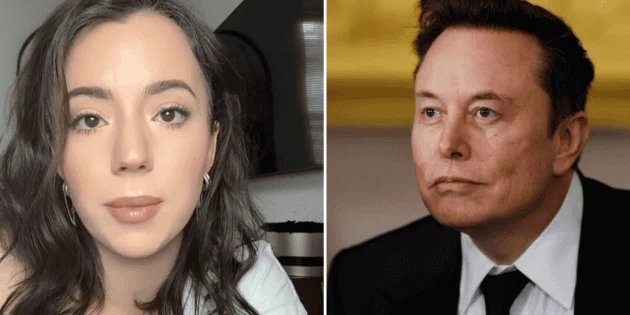
The prestigious Venice Film Festival, typically a showcase for cinematic artistry and a harbinger of awards season, recently became the unexpected stage for a revelation that has sent ripples through the worlds of tech, media, and celebrity. Ashley St. Clair, an influencer, writer, and former associate of billionaire entrepreneur Elon Musk, publicly disclosed her refusal of a staggering $40 million offer, contingent on her signing a lifetime non-disclosure agreement (NDA). This unprecedented decision, announced during the premiere of Alex Gibney’s highly anticipated documentary "Musk," has ignited a crucial debate about the power dynamics inherent in high-profile relationships, the ethics of information suppression, and the ultimate value of one’s voice in an era dominated by powerful narratives. St. Clair’s declaration underscores a profound personal choice to prioritize integrity and transparency over immense material wealth, positioning her as a central figure in a burgeoning discussion about accountability among the world’s most influential individuals.
The Unveiling at Venice: A Stand for Truth
On a global platform reserved for artistic expression, Ashley St. Clair delivered a statement that transcended the typical celebrity appearance. Addressing an international press corps gathered for the debut of Gibney’s four-hour exposé on Elon Musk, St. Clair recounted the specifics of the offer: a sum of $40 million designed to secure her perpetual silence. The proposed contract, she detailed, was comprehensive, extending beyond intimate details of her relationship with the owner of X (formerly Twitter) and SpaceX. It sought to prohibit her from ever discussing Musk’s business partners, employees, and the inner workings of his vast empire. The implications of such an expansive gag order, particularly from a figure as globally prominent as Musk, are significant, suggesting a concerted effort to control public perception and mitigate potential reputational risks.
St. Clair, a 28-year-old figure known for her social media presence and commentary, articulated her rationale for rejecting the monumental sum with clarity and conviction. "When you’re offered something like that, it really generates a debate in your head about what your speech means and how valuable it is," she reflected before the media. Her decision, she explained, was rooted in a commitment to honesty and an ethical boundary she felt compelled to draw, not only for herself but also to set an example for her children. This personal motivation elevates her stand beyond a mere contractual dispute, framing it as a moral imperative in an age where financial leverage often dictates narrative control. Her public defiance of such a substantial financial incentive casts a spotlight on the often-unseen mechanisms by which powerful individuals attempt to shape their public image and manage potentially damaging disclosures.
The Documented Life of Elon Musk: Alex Gibney’s Deep Dive
The context for St. Clair’s revelation is the world premiere of "Musk," a documentary directed by the acclaimed filmmaker Alex Gibney. Known for his incisive and often critical explorations of powerful figures and institutions, Gibney has a formidable reputation for investigative journalism through cinema. His previous works include "Enron: The Smartest Guys in the Room" (2005), which detailed the collapse of the energy trading giant, and "Taxi to the Dark Side" (2007), an exposé on torture in U.S. detention facilities, which earned him an Academy Award. Given his track record, a Gibney documentary on Elon Musk was always expected to be more than a hagiographic portrait.
"Musk" reportedly delves into the complex tapestry of the entrepreneur’s life, exploring both his undeniable business achievements and what Gibney describes as his "deeper shadows." Musk’s trajectory, from co-founding PayPal to leading Tesla’s electric vehicle revolution and SpaceX’s ambitious aerospace ventures, has cemented his status as a visionary. However, his public persona has also been marked by controversy, ranging from erratic behavior on social media to legal battles with regulatory bodies, and high-profile disputes with former employees and critics. St. Clair’s testimony, woven into the fabric of the documentary, contributes to this dual narrative, offering a personal perspective on the man behind the myth. She explicitly stated that while Musk maintains complex relationships with those around him, his most challenging and distant connection is "without a doubt, with reality and truth." This assertion, coming from someone who reportedly shared an intimate past with him, adds a layer of personal insight to Gibney’s broader investigative efforts.
Director Gibney himself has hinted at the challenges faced during the documentary’s production. He admitted encountering an "existential fear" among former colleagues and critics of Musk, many of whom declined to participate in the film due to concerns about potential reprisals. This detail underscores the considerable power and influence Musk wields, suggesting an environment where speaking out carries significant personal and professional risks. The willingness of St. Clair to defy this perceived climate of fear, particularly in the face of a lucrative offer, further amplifies the impact of her statements.
Musk’s Public Persona vs. Private Allegations: A Timeline of Scrutiny
Elon Musk has cultivated an image as a maverick innovator, a figure unafraid to challenge norms and pursue audacious goals. His ventures in electric vehicles, reusable rockets, brain-computer interfaces, and social media have profoundly impacted global industries and technological discourse. However, this public persona is frequently juxtaposed with a history of controversial actions and statements, leading to a complex public perception.
- Early Career & PayPal (Late 1990s-Early 2000s): Musk’s initial success with Zip2 and then PayPal established his reputation as a tech entrepreneur. Even then, accounts suggest a driven, sometimes confrontational, leadership style.
- Founding Tesla & SpaceX (Early 2000s onwards): These companies became synonymous with innovation. However, they also brought increased public scrutiny, including production challenges, missed deadlines, and intense pressure on employees.
- High-Profile Relationships & Family Life (Ongoing): Musk’s personal life, including multiple marriages, divorces, and children, has often been in the public eye. His relationships with figures like Justine Wilson, Talulah Riley, Grimes, and now Ashley St. Clair, have drawn media attention, making any potential NDAs in this context highly relevant. The dynamics of these relationships, particularly as they relate to issues of control and disclosure, form a significant part of the public narrative surrounding him.
- Twitter/X Acquisition & Management (2022-Present): Musk’s tumultuous acquisition of Twitter and subsequent rebranding to X has been a focal point of global attention, marked by mass layoffs, policy changes, and frequent public controversies that have drawn criticism from various stakeholders. This period has intensified scrutiny of his leadership style and judgment.
- Regulatory Scrutiny & Public Statements (Ongoing): Musk has faced investigations from the SEC for his tweets, been involved in defamation lawsuits, and his public statements often spark outrage or debate. This history creates a backdrop where attempts to control information, particularly personal narratives, are not entirely unexpected.
St. Clair’s allegations, presented within this timeline, contribute to a pattern of scrutiny that examines not just Musk’s business acumen but also his conduct and ethics in personal and professional spheres. The documentary "Musk" aims to provide a comprehensive look at these facets, challenging the often-heroic narrative presented by his most ardent supporters.
The Price of Silence: NDAs and Power Dynamics in High-Profile Relationships
Non-disclosure agreements are commonplace in business, designed to protect proprietary information, trade secrets, and sensitive corporate strategies. However, their use extends into personal realms, particularly for public figures and wealthy individuals seeking to manage their image and suppress potentially damaging information. When these agreements involve vast sums of money, as in St. Clair’s case, they raise significant ethical and legal questions.
The $40 million offer to St. Clair is an extraordinary sum, even by the standards of high-profile NDAs. It highlights the immense value placed on controlling narratives, especially concerning individuals whose public image is intricately linked to their brand and financial success. Critics argue that such financially coercive NDAs can effectively silence victims of alleged misconduct or prevent the public from accessing information vital for informed civic discourse, particularly when the subject is a person of significant public influence.
Legally, NDAs are generally enforceable, provided they are reasonable in scope and duration and do not contravene public policy. However, the use of "lifetime" bans and broad prohibitions on discussing "partners and employees" can be seen as overly restrictive and potentially exploitative, particularly in personal contexts where there is a clear power imbalance. The ongoing public discourse around NDAs, intensified by movements like #MeToo, has increasingly questioned their ethical implications, especially when used to cover up non-consensual acts or systemic issues rather than legitimate business secrets. St. Clair’s refusal, therefore, resonates within this broader conversation, empowering others who may have felt compelled to sign similar agreements.
Reactions and Implications: The Ripple Effect
While Elon Musk or his representatives have yet to issue an official statement regarding Ashley St. Clair’s claims or the contents of Alex Gibney’s documentary, the silence itself is notable. In high-stakes situations involving powerful figures, a common strategy is to avoid direct comment, thereby limiting further amplification of the allegations. However, this absence of response does not diminish the impact of the revelations.
- Public and Media Reaction: The story quickly garnered attention across global news outlets and social media platforms. Discussions often centered on the ethics of NDAs, the responsibilities of powerful individuals, and the courage required to reject such a substantial sum. The public’s perception of Musk, already polarized, will likely be further shaped by these new allegations, potentially reinforcing existing criticisms about his conduct and character.
- Impact on Musk’s Image: While Musk’s business ventures are largely driven by technological innovation, his personal brand plays a significant role in his companies’ public relations and investor confidence. Allegations of attempting to suppress information, particularly through such large financial incentives, could tarnish his image as a transparent and ethical leader, potentially affecting stakeholder trust.
- Legal Scrutiny (Inferred): While St. Clair’s revelation is not a lawsuit, it could potentially draw renewed attention to Musk’s past relationships and any existing NDAs he may have in place. Legal experts might review the implications of such broad lifetime NDAs in light of evolving legal and ethical standards regarding free speech and the public interest.
- Empowerment of Other Voices: St. Clair’s public stand could embolden other individuals who have signed or been offered similar silencing agreements by powerful figures. Her actions serve as a powerful example that monetary compensation does not always outweigh the desire for truth and autonomy.
- Future of Investigative Journalism: The "Musk" documentary, combined with St. Clair’s testimony, reaffirms the critical role of investigative journalism and documentary filmmaking in holding powerful figures accountable. The challenges Gibney faced in securing sources underscore the importance of protecting whistleblowers and encouraging transparency.
The Broader Landscape: Celebrity, Power, and Transparency
Ashley St. Clair’s decision to forgo $40 million to speak her truth is a potent symbol in an era increasingly defined by the collision of celebrity, immense corporate power, and a pervasive demand for transparency. In a world where public figures often wield significant influence over information flow through media ownership and vast personal fortunes, the ability to control one’s narrative becomes a powerful tool.
This incident is not isolated but rather fits into a broader societal reckoning with power imbalances. From political figures to tech titans, there is a growing expectation that even the most influential individuals are not immune to scrutiny, and that their personal conduct can have far-reaching implications. The rise of social media, while often a source of misinformation, also provides platforms for individuals to challenge established narratives and share their experiences directly, bypassing traditional gatekeepers.
St. Clair’s actions represent a conscious choice to prioritize ethical principles over material comfort, challenging the notion that every voice has a price. Her story contributes to a vital dialogue about what constitutes accountability for those at the pinnacle of global power, and how societies balance individual privacy with the public’s right to know. As the "Musk" documentary begins its journey from Venice to a wider audience, the revelations within it, particularly St. Clair’s courageous stand, will undoubtedly fuel further debate on these fundamental questions, ensuring that the conversation about truth, power, and transparency continues to evolve.

0 Comments