
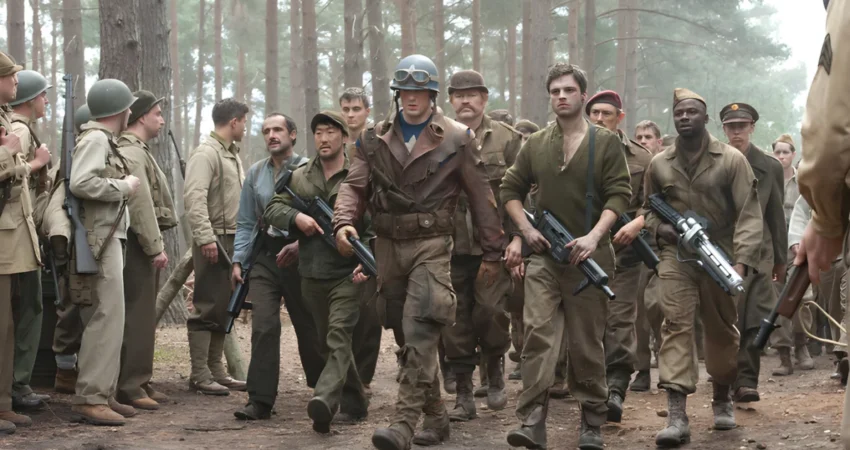
The release of Captain America: The First Avenger in 2011 marked a definitive turning point for Marvel Studios, establishing a historical and moral anchor for what would become the most successful film franchise in cinematic history. Directed by Joe Johnston, the film introduced Steve Rogers to a global audience, transforming a patriotic comic book icon into a cornerstone of the Marvel Cinematic Universe (MCU). As the studio prepares for the monumental release of Avengers: Doomsday, industry analysts and Marvel executives have identified The First Avenger as one of the fifteen essential viewing experiences required to fully grasp the narrative complexities and emotional stakes of the upcoming crossover event. While chronologically the first story in the MCU timeline, it occupies the third position in the curated "pathway to Doomsday" list, underscoring its enduring relevance more than a decade after its theatrical debut.
The Genesis of a Leader: Casting and Production Challenges
The journey to bring Steve Rogers to the silver screen was fraught with uncertainty. Chris Evans, who would eventually become synonymous with the role, famously declined the offer three times. His hesitation stemmed from the daunting nature of a multi-picture contract and the potential loss of privacy that comes with leading a global franchise. It was only after a personal intervention from Robert Downey Jr., who had already established Iron Man as a cultural phenomenon, that Evans agreed to step into the boots of the Star-Spangled Avenger. This casting decision is now viewed as one of the most successful in Hollywood history, providing the MCU with a moral compass that balanced Downey’s charismatic but flawed Tony Stark.
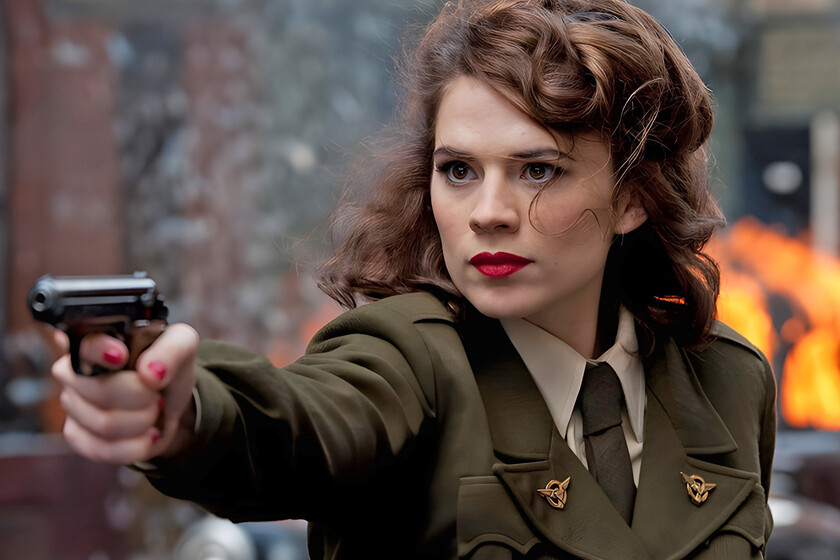
Production on The First Avenger was a deliberate departure from the high-tech, modern aesthetics of Iron Man and Thor. Johnston, known for his work on The Rocketeer and Star Wars, utilized a desaturated color palette and 1940s period detail to create a "dieselpunk" atmosphere. This grounded, historical setting allowed the film to explore the origins of the Super Soldier program and the Strategic Scientific Reserve (SSR), the precursor to S.H.I.E.L.D. The film’s narrative follows Steve Rogers, a frail but resilient young man from Brooklyn, whose indomitable spirit earns him a place in Dr. Abraham Erskine’s experimental program. The transformation of "Skinny Steve"—achieved through groundbreaking digital effects by Lola VFX—remains a benchmark in cinematic technology, emphasizing that the hero’s true strength resided in his character rather than his physique.
Narrative Significance and the Introduction of Hydra
The First Avenger did more than tell a hero’s origin; it introduced the primary ideological antagonist of the MCU: Hydra. Led by Johann Schmidt, also known as the Red Skull (Hugo Weaving), Hydra represented a radical departure from traditional military threats. Schmidt’s obsession with Norse mythology and occult power led him to the discovery of the Tesseract, an artifact of immense energy. At the time of the film’s release, audiences viewed the Tesseract as a powerful battery for Hydra’s advanced weaponry. However, as the Infinity Saga progressed, it was revealed to be the Space Stone, one of the six Infinity Stones that would drive the plot of the franchise for the next decade.
The conflict between Rogers and Schmidt established the thematic duality of the MCU. While Schmidt sought power to transcend humanity, Rogers sought power to protect it. This ideological battle culminated in Rogers’ ultimate sacrifice, as he chose to crash a Hydra wing-jet into the Arctic to prevent a catastrophic attack on New York City. This act of selflessness resulted in Rogers being frozen in cryostasis for nearly seventy years, a plot device that allowed the character to bridge the gap between the Greatest Generation and the modern era of heroes.

Chronological Context within the Path to Avengers: Doomsday
As Marvel Studios pivots toward the Multiverse Saga and the impending arrival of Doctor Doom, the studio has emphasized a specific viewing order to prepare audiences for Avengers: Doomsday. Within this 15-film curriculum, The First Avenger follows the early X-Men films from the 20th Century Fox era. This inclusion is significant, as it suggests a deepening integration of legacy characters and alternate timelines. The First Avenger provides the necessary context for the "Super Soldier" concept, which has remained a recurring motif in projects such as The Falcon and the Winter Soldier and the upcoming Captain America: Brave New World.
The return of Chris Evans to the MCU has been a subject of intense speculation and recent confirmation. While Rogers’ story appeared to conclude in Avengers: Endgame, the multiversal nature of Avengers: Doomsday opens the door for his return, potentially in a capacity that echoes his 1940s origins or explores an alternate reality version of the character. Understanding the core values established in the 2011 film—loyalty, sacrifice, and the refusal to "lay down" in the face of tyranny—is essential for audiences to appreciate the stakes of his potential return.
Technical Legacy and the "Skinny Steve" Innovation
From a technical standpoint, The First Avenger remains a pivotal achievement for Marvel Studios. The production utilized a combination of body doubles, green screens, and digital "shrinking" to portray the pre-serum Steve Rogers. This was not merely a visual gimmick but a narrative necessity to ensure the audience connected with Rogers’ humanity before he became a superhuman. The success of these effects paved the way for more ambitious digital de-aging and character transformations in later films, including the portrayal of a young Hank Pym in Ant-Man and the digital resurrection of characters in the Star Wars franchise.
Furthermore, the film’s score, composed by Alan Silvestri, introduced the iconic Captain America March. This theme has become one of the few recurring musical motifs in the MCU, appearing in various iterations throughout the Avengers films. Silvestri’s work helped define the "sound" of Marvel heroism—bold, brassy, and unapologetically orchestral—providing a sense of continuity across different directorial visions.
Broader Impact on the MCU Lore
The ripple effects of The First Avenger are felt in nearly every corner of the MCU. The film introduced Howard Stark, played by Dominic Cooper, establishing a historical link between the Stark family and the Rogers legacy. This relationship would become a central point of contention in Captain America: Civil War, where the revelation of the Winter Soldier’s involvement in the deaths of Howard and Maria Stark fractured the Avengers.
Additionally, the film served as the launchpad for Peggy Carter (Hayley Atwell), a character whose popularity led to her own television series, Agent Carter, and multiple appearances in the multiverse as Captain Carter. Her presence in The First Avenger established the emotional core of Steve Rogers’ journey, providing a "north star" for a man out of time. The promise of a dance, left unfulfilled for decades, remains one of the most poignant narrative threads in the entire franchise.

Preparing for the Future: Why Re-watching Matters
With approximately 16 weeks remaining until the release of Avengers: Doomsday, the re-evaluation of The First Avenger offers more than just nostalgia. The film serves as a reminder of the MCU’s foundations at a time when the franchise is expanding into increasingly complex territory. As Robert Downey Jr. transitions from the heroic Iron Man to the villainous Doctor Doom, the moral clarity of Steve Rogers serves as a necessary counterpoint.
The inclusion of The First Avenger on the "must-watch" list for Doomsday suggests that the themes of the 1940s—the struggle against totalitarianism and the importance of individual agency—will once again take center stage. Whether through the return of Steve Rogers or the legacy he left behind, the DNA of the "First Avenger" is inextricably linked to the resolution of the Multiverse Saga. For viewers looking to understand the full scope of the MCU’s evolution, returning to the battlefields of World War II is not just a trip down memory lane; it is a prerequisite for understanding the battles to come.
Currently, Captain America: The First Avenger is available for streaming on Disney+, offering fans an opportunity to revisit the origin of the shield and the man who carried it before the cinematic landscape shifts once again with the arrival of Doctor Doom. As the countdown to Avengers: Doomsday continues, the legacy of the 2011 classic stands as a testament to the power of character-driven storytelling in the age of the blockbuster.

0 Comments