
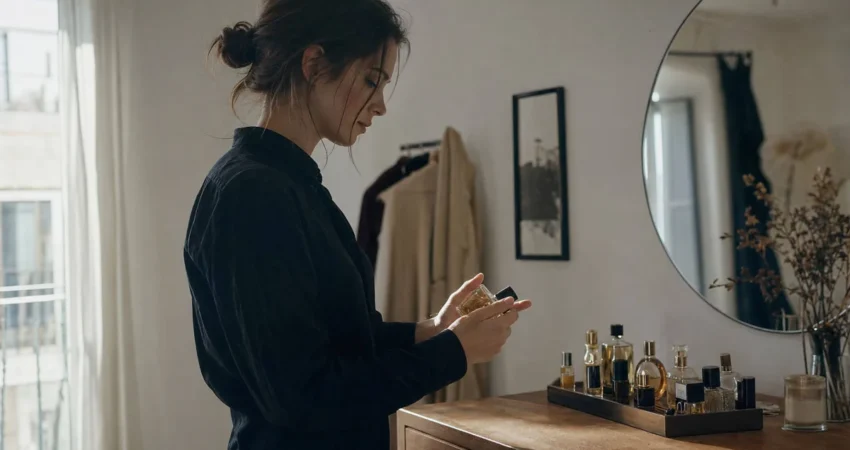
The concept of the "signature scent," a singular fragrance that defines an individual’s presence for decades, is rapidly being replaced by the "fragrance wardrobe." This shift represents a fundamental change in how consumers interact with the olfactory arts, moving away from brand loyalty toward a more modular, occasion-based approach. Modern perfumery experts and industry analysts suggest that a collection of three to five carefully selected fragrances is the optimal range for the contemporary consumer, providing enough variety to cover all social and environmental contexts without descending into the clutter of excessive accumulation. This transition reflects broader trends in the beauty and fashion industries, where personalization and emotional resonance have become the primary drivers of purchase decisions.
The Evolution of the Olfactory Landscape
For much of the 20th century, the marketing of perfume was built on the idea of the "eternal scent." Iconic fragrances like Chanel No. 5 or Shalimar were marketed as lifelong companions. However, the 21st century has seen a paradigm shift. Data from global market research firms indicates that the prestige fragrance market has grown significantly, driven not by consumers buying one bottle every two years, but by enthusiasts building "scent libraries."
The rise of niche perfumery and the democratization of scent education through social media have empowered consumers to understand notes, sillage, and longevity. This newfound knowledge has led to the realization that a heavy, amber-based scent designed for a winter evening is often unsuitable for a high-temperature summer day or a confined office environment. Consequently, the "fragrance wardrobe" has emerged as a practical solution to the diverse demands of modern life.
The Chronology of Scent Trends and Market Growth
The journey toward the fragrance wardrobe can be traced through several distinct eras of the beauty industry. In the 1990s, the "clean" scent movement, exemplified by fragrances like CK One, popularized the idea of fresh, unisex scents that were easily wearable. By the mid-2000s, the "celebrity fragrance" boom flooded the market with accessible, often gourmand-leaning scents, encouraging younger demographics to own multiple bottles.
By the 2010s, the "niche explosion" occurred. Brands such as Le Labo, Byredo, and Diptyque shifted the focus from mass-market appeal to artisanal craftsmanship. This era introduced the "Discovery Set"—a collection of small samples that allow consumers to test multiple scents before committing to a full-sized bottle. According to industry reports, the global perfume market was valued at approximately $50.85 billion in 2022 and is projected to grow at a compound annual growth rate (CAGR) of 5.9% through 2030. A significant portion of this growth is attributed to the "premiumization" of the market, where consumers are willing to spend more on a curated selection of high-quality scents rather than a single mass-market product.
The Strategic Framework of a 3-to-5 Bottle Collection
To build a functional fragrance wardrobe, experts suggest categorizing scents based on their "utility." A well-rounded collection typically includes the following pillars:
1. The Professional or "Daily Driver" (The Workhorse)
This fragrance is characterized by its versatility and low "intrusion level." It is typically a "skin scent" or a fresh floral/citrus composition. The goal is to smell clean and polished without overwhelming colleagues in a professional setting. Notes often include white musk, neroli, iris, or light woods.

2. The Evening or "Power" Scent
Reserved for formal events, dinners, or night-time social gatherings, this category allows for greater intensity and complexity. These fragrances often belong to the Oriental or Woody families, featuring notes of oud, leather, tobacco, amber, or heavy spices. These scents are designed to linger and project a more assertive presence.
3. The Seasonal Specialist: Summer/Spring
Temperature plays a critical role in how scent molecules evaporate. In high heat, heavy scents can become cloying. A summer fragrance utilizes volatile citrus notes (lemon, bergamot, grapefruit), marine accords, or green tea notes to provide a refreshing sensation.
4. The Seasonal Specialist: Winter/Autumn
As temperatures drop, the skin becomes drier and scents do not project as easily. Winter fragrances rely on "heavy" base notes like vanilla, sandalwood, benzoin, and incense. These notes provide a sense of warmth and "olfactory comfort" that complements heavier clothing textures like wool and cashmere.
5. The Emotional or "Wildcard" Scent
This fifth spot is often reserved for a fragrance that serves no practical purpose other than personal joy. It may be a scent that triggers a specific memory, a highly avant-garde artistic composition, or a fragrance used specifically for relaxation and "self-care" at home.
The Science of Scent: Why One Isn’t Enough
The biological basis for the fragrance wardrobe lies in "olfactory adaptation" or "nose blindness." When an individual wears the same scent every day, the brain eventually filters it out as "background noise," leading the wearer to apply more than is socially acceptable. By rotating between three to five scents, the olfactory receptors remain sensitive to the nuances of each fragrance, ensuring that the wearer can actually enjoy the product they have purchased.
Furthermore, the chemical interaction between scent and environment is a factual consideration. Humidity, UV exposure, and ambient temperature affect the "volatility" of top notes. A citrus-heavy cologne may disappear in twenty minutes in a dry, freezing climate, whereas a rich gourmand might become nauseating in 90% humidity. A wardrobe allows the user to calibrate their scent to the atmospheric conditions.
Industry Responses and the Rise of "Scent Layering"
Major fragrance houses have recognized this shift and are adapting their product lines. Luxury brands like Dior and Chanel have expanded their "exclusive" lines (La Collection Privée and Les Exclusifs, respectively), which are marketed as artisanal scents meant for collection and curation.
Additionally, the trend of "layering"—the practice of applying two or more scents simultaneously to create a custom blend—has gained mainstream traction. Originally a staple of Middle Eastern fragrance culture, layering allows a consumer with a 5-bottle collection to theoretically create dozens of unique scent profiles. This has led to the rise of "linear" fragrances—scents that do not change much from application to dry-down—specifically designed to be used as "boosters" for other perfumes.

Sustainability and Mindful Consumption
While the idea of a "wardrobe" implies more purchasing, the current trend is actually a move toward "slow perfumery." Consumers are being encouraged to move away from "blind buying" (purchasing a full bottle without smelling it) and toward a more considered acquisition process.
The environmental impact of the fragrance industry, including the sourcing of rare natural ingredients and the waste generated by packaging, has led to a demand for smaller, refillable bottles. By focusing on a "capsule collection" of 3 to 5 high-quality scents, consumers reduce the likelihood of perfumes expiring and being discarded. Most perfumes have a shelf life of 3 to 5 years; a massive collection of 20 or 30 bottles often results in chemical degradation before the product can be finished. A curated 5-bottle wardrobe ensures that each drop is utilized while the fragrance is at its peak potency.
Broader Implications for Personal Identity
The shift toward a fragrance wardrobe reflects a broader societal move toward "fluid identity." In previous generations, a signature scent was a mark of stability and consistency. Today, identity is viewed as multifaceted. A person may be a corporate executive by day, a fitness enthusiast by evening, and a socialite by night. The fragrance wardrobe provides the "olfactory costume" for these different roles.
Psychological studies have shown that scent is the sense most closely linked to the limbic system, the part of the brain responsible for emotion and memory. By strategically choosing scents for specific goals—such as using a lavender-heavy scent for focus or a citrus scent for energy—consumers are using their fragrance wardrobes as a tool for emotional regulation and cognitive performance.
Expert Recommendations for Building a Collection
For those looking to transition from a single scent to a wardrobe, industry experts recommend the following timeline:
- Month 1-2: Purchase a "Discovery Set" from a reputable house. Spend a week with each 2ml vial to see how the scent reacts with your skin chemistry throughout a full day.
- Month 3: Invest in your "Daily Driver." This should be a scent you find 100% comfortable in all settings.
- Month 6: Identify the "gap" in your collection. If winter is approaching, look for your "Power" or "Warm" scent.
- Year 1: Finalize the 5-bottle rotation.
This slow approach prevents "buyer’s remorse" and ensures that each fragrance in the wardrobe serves a distinct purpose. As the fragrance industry continues to evolve, the emphasis will likely remain on this balance of variety and curation. The "fragrance wardrobe" is not merely a marketing tactic but a sophisticated evolution in how humans use the sense of smell to navigate their world, express their moods, and enhance their environments. In an era of mass production, the ability to curate a personal, invisible "aura" through a strategic selection of perfumes remains one of the most accessible forms of high-art appreciation available to the modern consumer.

0 Comments