
The transition into the Autumn-Winter 2026/2027 season has brought a significant shift in the hair care and aesthetics industry, moving away from radical surgical interventions toward more subtle, color-driven rejuvenation techniques. As the global beauty market continues to emphasize "quiet luxury" and "healthy aging," professional colorists are identifying specific palettes designed to revitalize the complexion without the need for drastic structural changes. According to leading industry experts, the secret to a youthful appearance lies not in the pursuit of the lightest possible shade, but in the strategic application of light, dimension, and warmth that harmonizes with the natural aging process of the skin.
The Science of Color and Optical Rejuvenation
The relationship between hair color and perceived age is rooted in the physics of light reflection and skin tone theory. As skin matures, it tends to lose some of its natural luminosity and may develop irregularities in pigmentation. Hair colors that are too flat, dark, or excessively cool can exacerbate these issues by casting shadows on the face, highlighting fine lines and hollow areas. Conversely, multidimensional color techniques create a "soft focus" effect, reflecting light back onto the skin to create a more vibrant, rested appearance.

Juandiegoteo, a prominent stylist, director of Juandiegoteo Hair Salon, and ambassador for international brands such as Redken and Olistic, emphasizes that the modern anti-aging strategy is focused on "health" as much as "hue." He notes that the true goal of an anti-aging color is to provide a sensation of healthy, hydrated hair while placing light in areas that most favor the individual’s facial structure. For the current 2026/2027 cycle, the industry is pivoting toward three primary color families: multidimensional warm browns, caramel-toned "brondes," and soft auburn coppers.
The Dominance of Warm and Multidimensional Browns
For years, the industry relied on the "blonde-to-hide-gray" mantra. However, market data from late 2025 and early 2026 shows a 15% increase in consumers opting for darker, richer palettes, provided they offer sufficient depth. The "Expensive Brunette" trend has evolved into a more sophisticated, anti-aging tool known as the warm multidimensional brown.
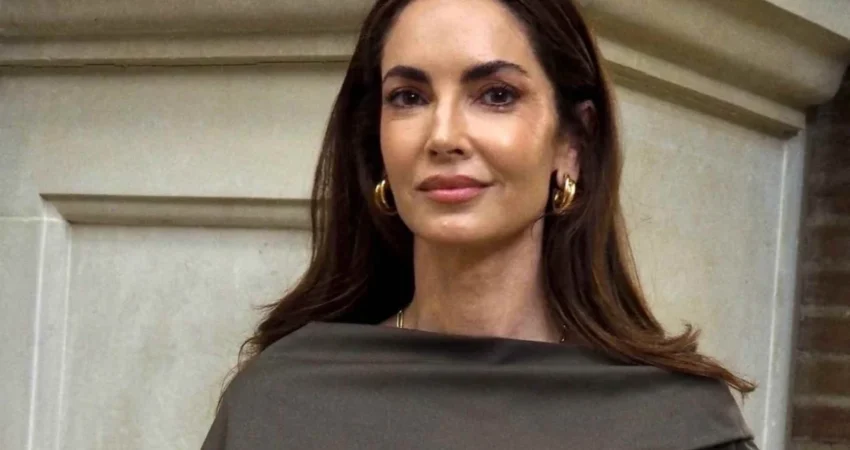
Shades such as hazelnut, mocha, and dark chocolate are being utilized not as solid blocks of color, but as bases for intricate layering. By incorporating subtle highlights—often only one or two shades lighter than the base—stylists can create a sense of movement that mimics the natural vitality of younger hair. These tones are particularly effective for individuals with medium, warm, or olive skin tones, as they counteract the sallow or greyish undertones that can appear with age. The key, according to Juandiegoteo, is to avoid "flat" color. A monochromatic dark brown can act like a heavy frame around the face, whereas a multidimensional brown adds volume and life to the hair’s silhouette.

The Strategic Bridge: Caramel Bronde and Toffee Tones
The "bronde"—a hybrid of brown and blonde—remains one of the most requested services in high-end salons heading into 2027. This technique is favored for its versatility and low maintenance, making it an ideal choice for the modern professional. By blending honey, caramel, and toffee tones into a light brown base, colorists can achieve a sun-kissed effect that remains appropriate for the colder months.
The anti-aging power of the caramel bronde lies in its ability to illuminate the face without the harshness of a full platinum or ash blonde. Ashy tones, while popular among younger demographics, can often make mature skin look washed out or tired. Caramel and gold-reflecting pigments, however, add a "glow" to the cheeks and eyes. Stylists often use a "face-framing" or "money piece" technique with these shades, concentrating the brightest tones around the hairline to act as a natural highlighter. This approach reduces the visibility of shadows around the jawline and eyes, providing an immediate visual "lift."
The Auburn Revival: Soft Coppers and Warm Reds
Red hair has seen a resurgence in the 2026/2027 trend forecasts, but with a specific focus on "softness" and "wearability." Intense, artificial reds are being replaced by auburn and soft copper tones that lean into the natural spectrum. For individuals with fair or golden skin tones, these shades offer a unique rejuvenating quality by adding a flush of color to the complexion.

The "auburn" palette is particularly effective because it bridges the gap between brown and red, offering the depth of a brunette with the light-reflecting properties of a redhead. These warm pigments are known to enhance the natural color of the iris and provide a healthy-looking contrast to the skin. Expert analysis suggests that as hair thins with age, the warmth of copper and auburn can also create the illusion of greater density and thickness, as warm colors appear to "advance" or take up more space visually than cool colors.
Common Pitfalls: Colors That Can Add Years
While the right color can act as a non-invasive facelift, the wrong choice can have the opposite effect. Industry professionals warn against two major extremes: jet black and icy blonde.
- Uniform Jet Black: While dark hair can be striking, a solid, deep black often creates too much contrast against the skin. This contrast makes every fine line, wrinkle, and blemish more apparent. Furthermore, as the scalp naturally becomes more visible with age, dark hair can make thinning areas more obvious.
- Excessively Cold or Ashy Tones: While ash blonde is often used to blend away gray hair, it can also drain the color from the face. For many women over 40, these cool pigments can emphasize redness or create a greyish cast on the skin.
Juandiegoteo suggests that the most successful anti-aging transitions are those that "dialogue" with the skin. If a color makes the skin look dull or requires a significant increase in makeup application to look "balanced," it is likely the wrong temperature for the individual.

Maintenance and the "Healthy Hair" Factor
A critical component of the 2026/2027 hair trends is the emphasis on hair health as a marker of youth. No matter how perfect the shade, dry, brittle, or frizzy hair will always appear aged. This has led to a surge in the "Skinification of Hair," where consumers invest in high-tech treatments to maintain the integrity of their color.
Data from professional beauty retailers indicates a 22% rise in the sale of acidic bonding concentrates and at-home glossing treatments. These products help seal the hair cuticle, ensuring that the multidimensional tones remain vibrant and reflective. For the anti-aging colors mentioned—browns, brondes, and coppers—shine is essential. A "liquid hair" finish, characterized by high-gloss reflection, is the ultimate goal of the season, as it signals vitality and care.
Economic and Social Implications of the Trend
The shift toward these specific color palettes reflects broader societal changes. As the "Baby Boomer" and "Gen X" demographics continue to hold significant purchasing power, the beauty industry has pivoted to meet their desire for "pro-aging" rather than "anti-aging." This means looking like the best version of oneself at any age, rather than trying to look twenty years younger.

Salons are reporting that clients are moving away from high-maintenance, high-contrast highlights that require monthly touch-ups. Instead, they are opting for "lived-in" color techniques that grow out gracefully. This trend is not only a stylistic choice but an economic one, as it allows for longer intervals between salon visits while maintaining a polished appearance. The "Caramel Bronde" and "Auburn" trends fit perfectly into this lifestyle, offering a sophisticated look that evolves beautifully over time.
Conclusion: A Personalized Approach to Rejuvenation
As the Autumn-Winter 2026/2027 season progresses, it is clear that the most effective anti-aging tool in a woman’s beauty arsenal is a well-considered hair color. By moving away from flat, monochromatic dyes and embracing the warmth and depth of hazelnut browns, toffee brondes, and soft auburns, individuals can achieve a refreshed and luminous look.
The expert consensus, led by figures like Juandiegoteo, remains firm: the most flattering color is one that brings light to the face and health to the hair. In an era where "natural" is the ultimate luxury, these three color families offer a path to rejuvenation that is both timeless and modern, proving that sometimes, the most impactful change doesn’t require a pair of scissors, but a masterfully applied palette of light and shadow.

0 Comments