
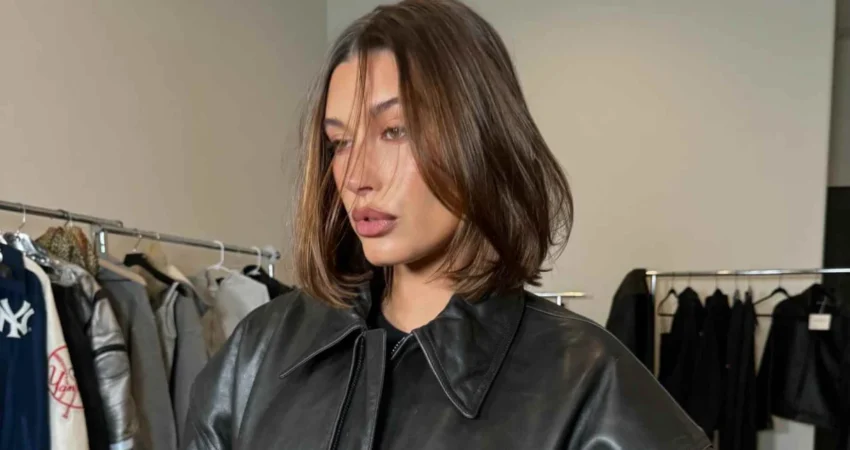
The beauty and personal care industry has signaled a definitive shift toward the "soft clavicut" as the preeminent hairstyle for the Autumn/Winter 2026 season. Positioned as a versatile middle ground between short crops and long tresses, the midi length has transcended its reputation as a "transition phase" to become a high-fashion statement in its own right. This specific iteration, characterized by its strategic layering and collarbone-skimming length, is being hailed by stylists as the most requested salon service of the year, appealing to a broad demographic ranging from Gen Z trendsetters to mature professionals seeking a rejuvenating aesthetic.

The Technical Evolution of the Midi Cut
The soft clavicut is not merely a trim; it is a precision-engineered architectural style for the hair. According to Juandiegoteo, director of the Juandiegoteo Hair Salon and a prominent ambassador for professional brands such as Redken and Olistic, the style represents a significant evolution of the traditional medium-length mane. The "clavicut"—so named because it terminates precisely at the clavicle or collarbone—has been refined for 2026 to incorporate a "soft" finish.
"The soft clavicut is an evolution of the classic mid-length mane at the height of the collarbone, but with a much lighter construction and more movement," Juandiegoteo explains. Unlike the blunt, heavy bobs that dominated previous cycles, the 2026 version utilizes "strategic and subtle layers" to remove excess weight without sacrificing the appearance of density at the ends. This technique creates a dynamic, natural look that is significantly easier for the average consumer to maintain at home.

Chronology: The Rise of the 2026 Aesthetic
The ascent of the soft clavicut can be traced through a specific timeline of hair trends over the last three years. In 2024, the industry saw a surge in "maximalist" hair, including heavy shags and high-volume "butterfly" cuts. By 2025, the pendulum swung toward the "quiet luxury" aesthetic, favoring sleek, one-length bobs.
As the industry entered the 2026 cycle, fashion analysts noted a demand for a hybrid approach—a style that offered the polished look of luxury but with the movement and "lived-in" feel of more bohemian styles. The soft clavicut emerged in late summer 2026 as celebrities like Hailey Bieber and Lucy Hale transitioned away from shorter bobs, allowing their hair to reach the collarbone while maintaining a layered, airy texture. By September 2026, the style had become the dominant trend across European and North American fashion capitals.

Supporting Data and Market Trends
Market research from leading beauty analytics firms indicates that "mid-length hair" searches have increased by 42% compared to the same period in 2025. Furthermore, salon booking data suggests that the "September Reset"—the period when clients seek to repair summer damage—has seen a 35% uptick in requests for the clavicut specifically.
This trend is also driven by the "skinification" of hair care. As consumers become more educated about scalp health and hair density, there is a growing preference for cuts that make the hair look healthy and thick. The soft clavicut is particularly effective in this regard; by maintaining density at the perimeter while thinning out the mid-lengths, it creates the illusion of a fuller, more youthful head of hair. This explains its high adoption rate among women over 50, who often experience age-related thinning.

Versatility and Facial Morphology
One of the primary factors contributing to the soft clavicut’s success is its universal adaptability. Professional stylists utilize the cut to perform "hair contouring," adjusting the length and layer placement to balance the client’s facial features.
- Elongated Face Shapes: For clients with longer faces, stylists introduce more movement and volume at the lateral sections. By adding subtle layers around the cheekbones, the cut creates a horizontal widening effect that balances the vertical proportions of the face.
- Round and Square Face Shapes: For these morphologies, the clavicut acts as a frame to soften the jawline or elongate the neck. By keeping the front sections slightly longer and the layers more vertical, the cut provides a slimming effect that draws the eye downward toward the collarbone.
- Hair Texture Variations: While the cut is highly versatile, it requires technical adjustments based on hair type. In very fine hair, stylists must be cautious with layering to avoid a "stringy" appearance, instead focusing on "internal layers" that provide lift without removing too much bulk. For thick or curly hair, the layering is more aggressive to prevent the "triangular" shape often associated with mid-length cuts.
The "Anti-Aging" Effect and Professional Endorsements
The soft clavicut has gained significant traction as a "rejuvenating" cut. Unlike long hair, which can sometimes "drag down" facial features, or very short hair, which can be harsh on certain bone structures, the midi length provides a lifting effect. It highlights the collarbone and shoulders—areas traditionally associated with elegance and youth—while the soft layering adds a contemporary, effortless vibe.

Celebrity influence has been instrumental in validating this trend across age groups. Spanish actress Aitana Sánchez-Gijón has become a poster figure for the style among mature women, demonstrating how the cut provides a sophisticated yet modern silhouette. Meanwhile, influencers like Marta Lozano have showcased the cut’s ability to transition from high-fashion editorial looks to everyday "off-duty" styles.
Maintenance and the "September Reset"
The timing of this trend in Autumn 2026 is not coincidental. Following the summer months, hair often suffers from oxidative stress caused by UV exposure, chlorine, and salt water. The primary recommendation from trichologists and stylists in September is to "sanitize" the ends.

The soft clavicut serves as the perfect solution for this seasonal transition. It allows for the removal of 3 to 5 inches of damaged hair—enough to restore health and shine—without the psychological shock of a short bob. Furthermore, the cut is compatible with the "low-maintenance" lifestyle. Its length is sufficient for various updos, including braids, ponytails, and buns, providing the functionality that short hair lacks, while being significantly faster to dry and style than long hair.
Broader Impact and Industry Implications
The dominance of the soft clavicut in 2026 reflects a broader shift in the fashion industry toward "functional luxury." As global economic factors encourage consumers to seek value and longevity in their purchases, the same logic is applied to beauty. A haircut that looks good as it grows out, requires fewer salon visits for maintenance, and works with the hair’s natural texture is highly attractive in the current market.

Moreover, the trend has spurred a new category of styling products. Brands are now launching "midi-specific" texturizing sprays and lightweight creams designed to enhance the "soft" aspect of the clavicut without weighing it down. The focus has moved away from heavy-hold hairsprays toward products that encourage "touchable" hair with natural movement.
Conclusion: A Staple for the Foreseeable Future
As the Autumn 2026 season progresses, the soft clavicut is expected to maintain its position at the top of the trend cycle. Its success lies in its ability to solve the most common hair dilemmas: it offers the manageability of short hair, the styling versatility of long hair, and a universal flatter-factor that transcends age and face shape.

For the professional salon industry, the clavicut represents a return to technical excellence and personalized service. For the consumer, it offers a "best of both worlds" scenario—a haircut that is as practical as it is fashionable. Whether used as a tool for post-summer recovery or as a deliberate style choice to refresh one’s image, the soft clavicut has defined the aesthetic of the year, proving that sometimes, the most impactful statement is found in the perfect middle ground.

0 Comments