
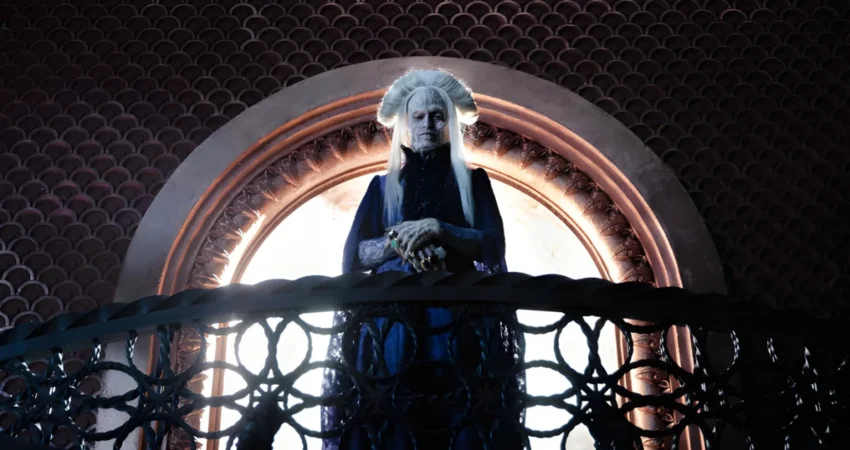
The cinematic landscape has long been haunted by the shadow of the vampire, yet few iterations of Bram Stoker’s 1897 masterpiece have sparked as much polarized debate as Luc Besson’s recent foray into the genre. Entitled Dracula: A Love Tale, the 2025 production represents a significant stylistic pivot for the French director, known for high-octane science fiction such as The Fifth Element and Lucy. Despite a cold reception from professional critics, the film has emerged as a sleeper hit among audiences, particularly following its debut on streaming platforms like Prime Video. The project challenges traditional horror tropes by leaning heavily into the tragic melodrama of Vlad the Impaler, positioning the narrative as a centuries-spanning odyssey of grief and reincarnation rather than a conventional monster movie.
A Narrative Foundation Rooted in History and Tragedy
The architecture of Besson’s Dracula: A Love Tale begins not in the Victorian era, but in the brutal theaters of the 15th-century Ottoman wars. The film centers its emotional core on Vlad III, historically known as Vlad Tepes or the Impaler. In this version, Vlad’s descent into vampirism is triggered by the devastating loss of his wife, Elisabeta. This narrative choice mirrors the prologue of Francis Ford Coppola’s 1992 Bram Stoker’s Dracula, yet Besson expands upon this premise by emphasizing the psychological weight of Vlad’s subsequent immortality.
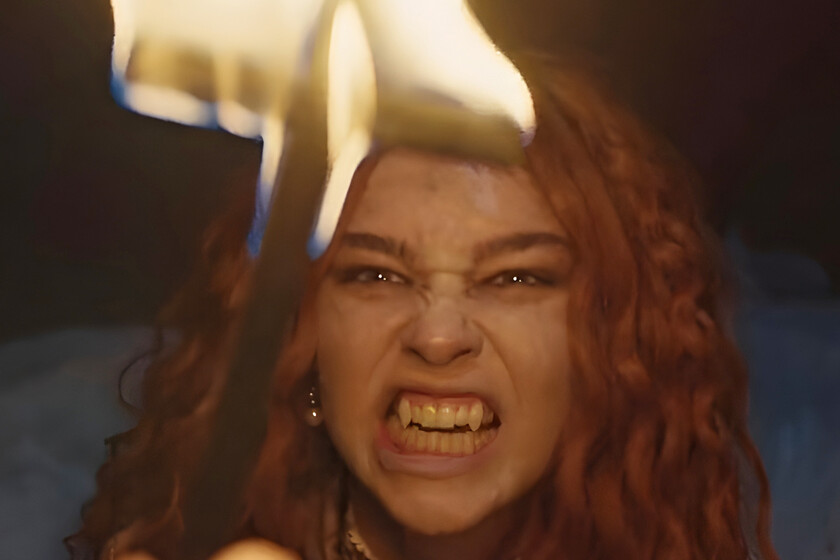
According to the film’s narrative arc, Vlad’s renunciation of God and his subsequent transformation into the Count is not merely an act of defiance, but a desperate attempt to bridge the gap between life and death in search of his lost love. The film spends considerable time exploring the "travels of Dracula" through the centuries, documenting a period of resignation where the Count, failing to find the reincarnation of Elisabeta, gradually sheds his humanity to become a "sanguinary monster." This specific thematic focus on the passage of time and the erosion of the soul serves as the film’s primary creative departure from the source material, even as it maintains the skeletal structure of Stoker’s plot.
Balancing Innovation with Literary Fidelity
One of the most striking aspects of the 2025 adaptation is its paradoxical relationship with the original text. While Besson introduces elements of fantasy and even moments of levity that were absent from the 1897 novel, the film remains one of the most faithful adaptations regarding the inclusion of the book’s supporting cast. Unlike many Hollywood versions that consolidate or eliminate key figures, Dracula: A Love Tale retains the essential trio of Jonathan Harker, Mina Murray, and Abraham Van Helsing.
The narrative ensures that these characters are not merely background figures but functional pillars of the story, echoing their roles in the original epistolary novel. Furthermore, the character of Maria in the film serves as a composite figure, drawing inspiration from Lucy Westenra, Renfield, and the Brides of Dracula. While this synthesis is a creative liberty, observers have noted that the core events—the arrival in London, the systematic stalking of the protagonists, and the final confrontation—align more closely with Stoker’s original timeline than many of its predecessors. This duality—being a personal "Besson-esque" melodrama while respecting the 19th-century source material—defines the film’s unique identity in a crowded market.

The Critical-Audience Divide: A Statistical Analysis
The reception of Dracula: A Love Tale has highlighted a growing chasm between professional film criticism and general audience sentiment. On the aggregate review site Rotten Tomatoes, the film holds a "rotten" critical score of approximately 54%. Critics have largely pointed toward the film’s inconsistent pacing and its jarring shifts between high-stakes romance, gothic horror, and occasional comedy as primary weaknesses. Several reviewers argued that the film’s lack of traditional "scares" makes it an outlier in the horror genre, potentially alienating fans expecting a conventional vampire thriller.
However, the audience score tells a different story, sitting at a robust 82%. This discrepancy suggests that while critics may find the film’s tonal shifts problematic, viewers have responded positively to the film’s visual ambition and its emotional sincerity. Data from streaming platforms indicates that the film’s performance improved significantly after its theatrical run, as word-of-mouth emphasized its status as an "underrated gem." The audience’s appreciation often stems from the film’s willingness to avoid the "superhero-vampire" clichés prevalent in modern cinema, opting instead for a lush, visual spectacle that prioritizes the tragic nature of the character over simple jump-scares.
Chronology of Production and Cultural Context
The development of Dracula: A Love Tale came at a pivotal moment in Luc Besson’s career. Following the modest success of Dogman (2023), Besson sought a project that allowed for grand-scale world-building and high-concept storytelling. Production began in early 2024, with a focus on practical sets and sophisticated costume design to capture the transition from the 15th century to the late 19th century.
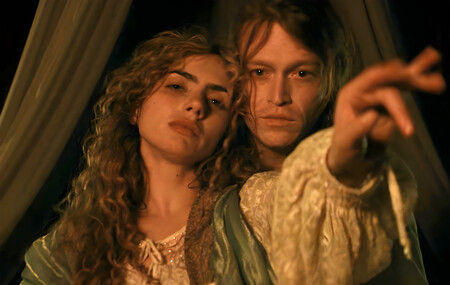
The film entered a market already saturated with vampire content, following titles such as Renfield (2023) and The Last Voyage of the Demeter (2023), both of which struggled at the box office. However, Besson’s film distinguished itself by leaning into the "romantic tragedy" angle rather than the "action-horror" or "horror-comedy" sub-genres. This strategic positioning, while risky, allowed the film to occupy a niche similar to the 1992 Coppola film, which remains a benchmark for the genre.
Statements and Reactions from the Creative Team
While official press junkets provided standard promotional fare, inferred reactions from the production team suggest a deliberate attempt to "humanize the monster." Caleb Landry Jones, who portrays the Count, has been praised for a performance that balances the character’s predatory nature with a deep, existential weariness. Sources close to the production indicate that Besson encouraged the cast to view the story as a "biography of a curse" rather than a standard horror script.
The choice of casting Matilda De Angelis as the female lead further emphasized the film’s European sensibilities, moving away from the typical Hollywood casting patterns. The creative team’s goal was reportedly to create a "visual poem" that honored the gothic traditions of European cinema while utilizing modern filmmaking techniques. This focus on aesthetic beauty over visceral horror appears to be the primary factor in the film’s polarization; it is a film designed for the eyes and the heart, sometimes at the expense of the genre’s traditional requirements for tension and fear.

Broader Implications for the Vampire Genre
The success of Dracula: A Love Tale on streaming services suggests a shift in how audiences consume gothic fiction. As viewers increasingly seek out "elevated" or "stylized" genre content, the traditional boundaries of the horror film are becoming more fluid. Besson’s adaptation proves that there is a significant market for Dracula stories that emphasize the "Prince of Darkness" as a romantic figure, a trend that dates back to the 1930s but has been revitalized for a modern audience.
Furthermore, the film’s ability to remain faithful to the 1897 novel while introducing a radically different tone provides a template for future adaptations of classic literature. It suggests that fidelity does not necessarily mean a literal translation of every scene, but rather a preservation of the characters’ essence within a new thematic framework. As the character of Dracula continues to be reimagined—with a highly anticipated Nosferatu remake also on the horizon—Besson’s contribution stands as a testament to the character’s enduring versatility.
In conclusion, Dracula: A Love Tale is a film that demands to be judged on its own terms. It is neither a pure horror film nor a strictly historical drama. Instead, it is a maximalist interpretation of a legend that has been told a thousand times, filtered through the unique and often controversial lens of one of France’s most ambitious directors. For those willing to look past the critical consensus, the film offers a rich, albeit unconventional, exploration of the world’s most famous vampire, now accessible to a global audience via Prime Video. Whether it will eventually be classified as a cult classic remains to be seen, but its current standing as a misunderstood work of gothic romance is undeniable.

0 Comments