
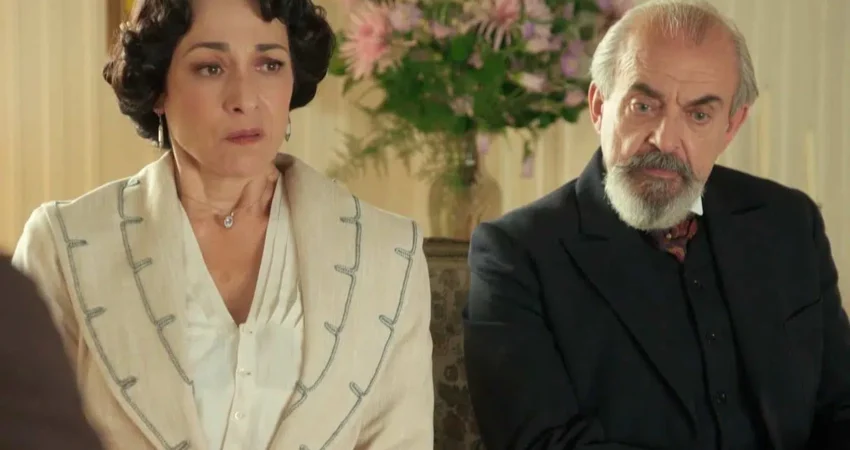
The preparations for the highly anticipated wedding of Curro and Ángela within the opulent setting of "La Promesa" have taken a dramatic and unexpected turn, with the couple’s recent decisions effectively sidelining two key figures: Leocadia and Máximo. These pivotal choices, made independently by the bride and groom, represent significant blows to the meticulously laid plans and perceived influence of both the Duke of Buenaventura and his confidante, Leocadia. The unfolding events underscore a recurring theme at La Promesa: the precarious nature of alliances built on ambition and the undeniable power of personal will.
A Bold Declaration of Intent from the Bride
The first seismic shift in the wedding’s intricate tapestry of arrangements came with Ángela’s decisive action, one that irrevocably altered the established dynamics. Rather than adhering to the conventional expectation that Máximo, as a father figure, would escort her down the aisle, Ángela approached Alonso with a profound and emotionally charged request. "It would be a great honor if you would accept to escort me, along with your son, Curro," she proposed, her words carrying the weight of a deeply personal choice. This gesture not only bypassed Máximo’s anticipated role but also publicly elevated Alonso’s position within the impending union.
Alonso’s immediate and unequivocal acceptance of Ángela’s request—"The honor would be mine, of course. I will do so with pleasure"—demonstrates a clear alignment with the bride’s wishes and reinforces the growing bond between him and his soon-to-be daughter-in-law. This swift affirmation, while solidifying his place beside the couple, simultaneously left Máximo in a position of diminished importance, stripped of the paternal role that Leocadia had so carefully orchestrated for him.
Alonso, a seasoned observer of the intricate social and political currents within La Promesa, fully comprehended the ramifications of his decision. He candidly acknowledged, "I understand that all of this will cause discrepancies with Máximo." However, his commitment to Ángela’s desires remained resolute. "If you wish to enter the church by my side, so it shall be," he declared, prioritizing the bride’s wishes above any potential fallout with the Duke of Buenaventura. This statement of intent erected an insurmountable barrier to Máximo’s aspirations and effectively dismantled Leocadia’s carefully constructed strategy.
Curro’s Independent Choice: A Second Blow to Leocadia’s Ambitions
The unfolding drama did not conclude with Ángela’s choice. As discussions surrounding the wedding party continued, Curro seized the opportune moment to reveal his own independent decision, a choice previously shared only with Ángela. "I want to say something about this," he announced, his voice firm and clear. "I already know who I want to be my godmother. I want it to be Doña Pía Adarre," he declared with unwavering certainty. This pronouncement struck a direct blow to Leocadia, who had evidently harbored expectations of fulfilling this significant role in the ceremony.
The implications of these two distinct yet equally impactful decisions are profound. With Ángela choosing Alonso and Curro designating Pía as his godmother, Leocadia’s elaborate scheme has completely unraveled. Her strategic proposal of marriage to Máximo, devoid of genuine affection, was predicated on a singular objective: to secure the title of Duchess and, in return, guarantee him a prominent position in Curro’s wedding. Now, she has nothing tangible to offer or gain.

The Double Humiliation and Shifting Power Dynamics
The ramifications of these choices translate into a double humiliation for both Máximo and Leocadia. Máximo will not escort Ángela down the aisle, and Leocadia will not serve as Curro’s godmother. Both find themselves relegated to the status of mere guests, precisely the outcome that Leocadia had feared and had, in fact, warned Máximo about. This turn of events highlights a critical miscalculation by the Duke and his ally, who underestimated the resolve and independent spirit of the younger generation.
The wedding of Curro and Ángela, intended by some to be a vehicle for political maneuvering and social advancement, is now shaping up to be a powerful testament to the couple’s agency. Their carefully considered choices serve as a clear rejection of the Duke of Buenaventura’s perceived attempts at control and the clandestine maneuvers he orchestrated with Leocadia. The ceremony will proceed, but it will do so on the couple’s terms, with the architects of manipulative schemes conspicuously excluded from central roles.
Analysis of Implications: The Fragility of Ambitious Alliances
"La Promesa" once again illustrates that alliances within the palace walls, when forged primarily on the bedrock of self-interest, possess a remarkably short lifespan. Leocadia and Máximo gambled on their ability to orchestrate and control Curro and Ángela’s wedding, aiming to leverage it for their own gain. However, the couple responded with the most potent weapon at their disposal: their unwavering personal will.
This development has significant implications for the power dynamics within La Promesa. It signals a potential shift in influence, with the younger generation asserting greater autonomy and challenging the established order. The Duke of Buenaventura’s influence appears to be waning, at least in this particular instance, as his machinations have been effectively countered. Leocadia’s strategic prowess, so often a defining characteristic, has been exposed as vulnerable when confronted with genuine affection and independent decision-making.
Furthermore, the elevation of Alonso and Pía to such prominent roles within the wedding party signifies their growing importance and respect within the household. Alonso’s embrace of his role as a supportive father figure, and Pía’s recognition for her steadfast loyalty and wisdom, suggest a strengthening of bonds based on genuine care and shared values, as opposed to calculated ambition.
The repercussions of these choices will likely reverberate through the social fabric of La Promesa. Leocadia and Máximo, stripped of their anticipated roles, will undoubtedly face a period of recalibration. Their diminished standing may embolden others within the household to question their authority and influence. Conversely, the success of Curro and Ángela in asserting their will may inspire others to follow suit, fostering a more independent and less manipulated environment. The wedding, therefore, transcends a mere matrimonial event; it represents a significant turning point in the ongoing narrative of power, influence, and personal agency within the complex world of La Promesa.

0 Comments