
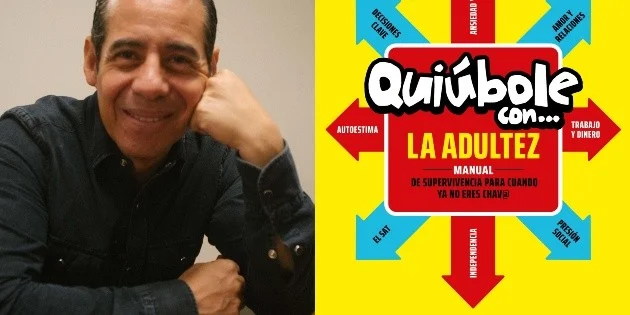
Mexican television host and prolific author, Yordi Rosado, has announced the forthcoming release of his seventh book, Quiúbole con la adultez. Manual de supervivencia para cuando ya no eres chavo o chava (roughly translated as "What’s Up with Adulthood. A Survival Manual for When You’re No Longer a Kid"). This highly anticipated publication, set to be distributed by Penguin Libros México, is specifically designed to serve as a comprehensive guide for individuals navigating the complex terrain of adulthood, targeting those in their twenties and thirties who are grappling with the multifaceted challenges of independence and personal maturity in the 21st century.
The new manual represents a significant evolution from Rosado’s acclaimed Quiúbole series, which first captivated readers two decades ago and collectively sold nearly two million copies. A notable departure from its predecessors, the 2026 edition will not be bifurcated into separate versions for men and women. Instead, its content is unified, reflecting a modern understanding of shared experiences and universal concerns among contemporary young adults, irrespective of gender. This strategic shift underscores a broader cultural movement towards more inclusive and holistic approaches to personal development, acknowledging that many life challenges transcend traditional gender roles.
The impetus for this project stemmed directly from Rosado’s continuous engagement with his extensive following. The author frequently received queries and requests for guidance on how to effectively confront the increasing responsibilities that accompany adulthood. Recognizing a palpable need for updated, relevant advice, Rosado embarked on a rigorous development process. This involved a collaborative effort with a team of experts, including sociologists and a neuropsychiatrist, to meticulously analyze the perspectives, anxieties, and aspirations of Generation Z and the nascent Generation Alpha. This interdisciplinary approach aimed to ensure the book’s content is not only relatable but also grounded in contemporary academic understanding of the social and psychological frameworks influencing today’s youth. By integrating insights from these fields, Quiúbole con la adultez seeks to provide scientifically informed and culturally attuned strategies for navigating current labor markets, evolving social norms, and personal well-being.
The Enduring Legacy and Modern Adaptation of Quiúbole
The original Quiúbole series, first launched in the early 2000s, quickly established itself as a cultural phenomenon in Mexico and across Latin America. At a time when candid discussions about adolescence, relationships, and emerging adulthood were less prevalent in mainstream media, Rosado’s books offered a fresh, accessible, and often humorous voice. They provided practical advice on topics ranging from first loves and friendships to school pressures and family dynamics, resonating deeply with a generation seeking relatable guidance. The series’ success was largely attributed to Rosado’s ability to connect with young audiences through an informal yet authoritative tone, transforming complex issues into digestible and actionable advice.
Two decades later, the social, economic, and technological landscapes have transformed dramatically. The youth of today face a unique set of challenges and opportunities that diverge significantly from those of their predecessors. The rise of digital interconnectedness, the gig economy, global socio-political shifts, and an increased awareness of mental health issues have redefined the journey into adulthood. Rosado’s decision to revisit the Quiúbole concept, therefore, is not merely a nostalgic revival but a deliberate response to these evolving realities. The unification of content, moving away from gender-specific guides, is particularly significant. It reflects a societal shift towards greater gender fluidity and an understanding that many developmental experiences are universally shared, requiring a more integrated approach to self-help literature. This adaptation demonstrates a keen awareness of how contemporary discourse has evolved, ensuring the book remains relevant and impactful for a new generation.
Navigating the Modern Labyrinth: Key Themes of the New Manual
Quiúbole con la adultez is structured to address the foundational aspects of early economic and emotional independence, while also extending its scope to more intricate life stages. The manual delves into significant life events such as the formation of a family, navigating separations or divorce, and fostering continuous professional development. Its overarching goal is to equip readers with practical, actionable tools that can be directly applied to their daily lives, helping them to build resilience and competence.
A substantial portion of the book is dedicated to the critical domain of mental health. In an era marked by heightened awareness of psychological well-being, the manual tackles prevalent issues such as anxiety, the pervasive pressures of social media and societal expectations, and the cultivation of healthy self-esteem. This focus underscores the recognition that mental fortitude is as crucial as practical skills for thriving in adulthood. The book also delves into intricate personal dynamics, exploring the complexities of love, the nuances of romantic relationships, and significant life decisions such as cohabitation, marriage, or the pivotal choice of leaving the family home to establish independent living. These chapters aim to provide a balanced perspective, acknowledging both the emotional richness and the potential challenges inherent in these personal journeys.
Beyond emotional and relational guidance, the book offers robust practical and financial counsel. Chapters are devoted to effective money management, strategies for job searching in a competitive market, and insights into entrepreneurship—a growing career path for many young adults today. A particularly noteworthy inclusion, tailored to the Mexican context, is the detailed explanation of fiscal matters. The manual demystifies concepts related to the Servicio de Administración Tributaria (SAT), Mexico’s tax authority, clarifies the Impuesto Sobre la Renta (ISR), or income tax, and guides readers through the process of selecting an appropriate tax regime. This pragmatic approach to financial literacy is a direct response to the often-overlooked yet critical need for young adults to understand their tax obligations and manage their finances responsibly from an early age. The integration of such specific, actionable advice differentiates Quiúbole con la adultez as a truly comprehensive survival guide.
Generational Insights: Understanding Gen Z and Gen Alpha
The collaboration with sociologists and a neuropsychiatrist was instrumental in tailoring Quiúbole con la adultez to the unique characteristics of Generation Z (born roughly between the mid-1990s and early 2010s) and Generation Alpha (born from the early 2010s onwards). These generations are digital natives, having grown up with ubiquitous internet access and social media, which profoundly shapes their worldview, communication styles, and expectations.
Generation Z, currently comprising the primary target demographic for the book, is often characterized by its pragmatic approach to careers, a strong emphasis on mental health and well-being, and a heightened awareness of social justice issues. They are accustomed to instant information, demand authenticity, and navigate a job market increasingly defined by automation, global competition, and the gig economy. Studies consistently show that Gen Z experiences higher rates of anxiety and depression compared to previous generations, partly due to constant digital connectivity, social comparison, and economic uncertainties. The book’s specific chapters on mental health, anxiety, and social pressure are therefore directly relevant to their lived experiences.
Generation Alpha, while still largely in their formative years, are already exhibiting distinct traits. They are the most technologically immersed generation, with early exposure to AI, virtual reality, and personalized digital experiences. They are growing up in a world grappling with climate change, global pandemics, and rapid societal shifts. While the book’s immediate focus is on those in their 20s and 30s, the insights gleaned from understanding Alpha’s emerging worldview ensure that the advice remains forward-looking and adaptable for future challenges. The inclusion of topics like entrepreneurship and navigating complex financial systems caters to a generation that will likely face even greater demands for adaptability and self-reliance in their professional lives. By integrating expert analysis of these generational cohorts, Rosado’s manual aims to be more than just a self-help book; it aspires to be a culturally informed resource that truly understands and addresses the contemporary human condition.
Publishing Strategy and Market Accessibility
Penguin Libros México, a leading publishing house, is orchestrating a robust release strategy for Quiúbole con la adultez, ensuring broad accessibility across various formats and geographies. The official pre-sale for the book is slated to commence on September 17, 2026, exclusively through Amazon. This digital-first approach allows eager readers to secure their copies well in advance of the general market distribution, leveraging the global reach and logistical efficiency of one of the world’s largest online retailers. The physical edition of the book is projected to retail for $399 Mexican pesos, positioning it competitively within the non-fiction and self-help categories.
Following the pre-sale period, the physical copies will become widely available in bookstores across Mexico starting in November 2026. This staggered release strategy capitalizes on early online buzz while ensuring a strong presence in traditional retail channels during the crucial end-of-year sales season. Furthermore, acknowledging the global nature of Rosado’s fan base and the widespread demand for digital content, an e-book version will be available for acquisition from anywhere in the world. This international digital distribution democratizes access to the content, removing geographical barriers for readers outside Mexico.
Adding another layer of accessibility and personal connection, Yordi Rosado himself will narrate the audiobook version. This strategic choice offers an additional consumption format, catering to the growing demographic of listeners who prefer audio content for its convenience and immersive experience. The author’s direct involvement in the audiobook production is expected to enhance the listener’s engagement, bringing his signature voice and personality directly to the narrative.
Beyond the various formats, the promotional campaign for Quiúbole con la adultez will include a series of in-person presentations at various bookstores throughout Mexico. These events will provide opportunities for readers to meet the author, engage in discussions, and have their copies signed. A significant highlight of the promotional tour will be the book’s exhibition at the Feria Internacional del Libro (FIL) de Guadalajara, one of the most prestigious book fairs in the Spanish-speaking world. This platform will allow Rosado to directly interact with a large and diverse audience of readers, literary critics, and media, further solidifying the book’s presence and impact within the literary landscape. This multi-pronged publishing and promotional strategy is designed to maximize the book’s reach, appeal to diverse reader preferences, and firmly re-establish the Quiúbole brand as a contemporary touchstone for youth guidance.
Implications and Broader Impact
The launch of Quiúbole con la adultez carries several significant implications for the self-help genre, youth development, and the role of public figures in addressing societal needs. Firstly, it underscores a growing demand for practical, empathetic guidance in navigating the complexities of modern life. As traditional support structures evolve, resources that offer concrete strategies for mental health, financial stability, and relational well-being become increasingly vital. Rosado’s decision to update and unify his classic series reflects a keen understanding of this evolving need.
Secondly, the interdisciplinary approach, involving sociologists and neuropsychiatrists, sets a new standard for the genre. It moves beyond anecdotal advice to incorporate scientifically informed perspectives, lending greater credibility and depth to the content. This blend of relatable personal experience with expert insights is likely to resonate strongly with a generation that values authenticity and evidence-based information.
Thirdly, the comprehensive nature of the book, particularly its inclusion of detailed fiscal advice specific to Mexico, highlights a critical gap in general education. Financial literacy, especially concerning taxes and economic independence, is often neglected in formal schooling. By integrating such practical information, Rosado’s manual contributes to empowering young adults with essential knowledge for responsible citizenship and personal autonomy.
Finally, the multi-format release strategy – physical, e-book, and audiobook narrated by the author – exemplifies a modern publishing model designed for maximum reach and engagement. This adaptability ensures that the wisdom contained within Quiúbole con la adultez is accessible to a broad spectrum of readers, catering to diverse preferences and lifestyles. As Rosado prepares to engage with his audience through book presentations and at the FIL Guadalajara, the reintroduction of the Quiúbole brand is poised not only to rekindle a classic but also to redefine what it means to offer relevant, contemporary guidance for the challenges of adulting in the 21st century.

0 Comments