
Mexican cinema enthusiasts across the country are now able to experience the critically acclaimed film Dos Estaciones, currently showing in both major Cinemex theaters and various independent alternative circuits. This compelling drama, which garnered significant international recognition, offers a poignant narrative deeply rooted in Mexico’s rich cultural heritage and contemporary economic challenges, inviting audiences to reflect on the preservation of local traditions in an increasingly globalized world.
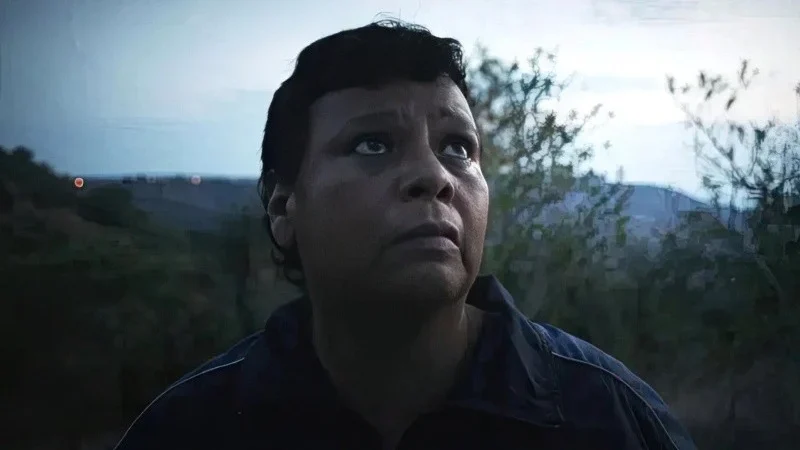
At the heart of Dos Estaciones is the formidable character of María García, a 50-year-old woman portrayed with profound authenticity by the award-winning actress Teresita Sánchez. María is the proud, yet embattled, proprietor of "Dos Estaciones," a traditional tequila factory nestled in the picturesque Los Altos region of Jalisco. Her narrative unfolds against a backdrop of desperation as she valiantly struggles to keep her family legacy alive amidst a market relentlessly encroached upon by powerful foreign corporations. The film masterfully captures the daily grind, the emotional toll, and the unwavering spirit required to sustain a small, artisanal business in an environment dominated by industrial-scale competitors.
The plot thickens with the introduction of Rafaela, a bright and astute young woman whose intelligence and fresh perspective offer María a glimmer of hope. María recognizes Rafaela’s potential to navigate the treacherous waters of modern commerce and potentially safeguard "Dos Estaciones" from the existential threat posed by foreign competition. Their evolving relationship forms a central pillar of the story, exploring themes of mentorship, intergenerational knowledge transfer, and the fusion of traditional wisdom with contemporary strategies. This dynamic provides a microcosm of the broader struggle faced by many traditional industries in Mexico, where local expertise often clashes with the might of international conglomerates.
The Economic and Cultural Significance of Tequila
The setting of Los Altos de Jalisco is not merely a scenic backdrop but a crucial character in itself, embodying the deep connection between the land, its people, and the iconic spirit of tequila. Jalisco is the cradle of tequila, an appellation of origin product, meaning its production is legally restricted to specific regions within the state and a few other designated areas in Mexico. This designation protects its authenticity and ties it intrinsically to Mexican identity. However, this protection does not shield small, independent producers like María from the fierce economic pressures exerted by multinational corporations that have increasingly acquired or developed large-scale tequila operations.
In recent decades, the global demand for tequila has surged, leading to massive investments from international beverage giants. While this has undoubtedly boosted export revenues for Mexico, it has also created an uneven playing field. Small, family-run distilleries often struggle to compete with the vast marketing budgets, distribution networks, and economies of scale enjoyed by their larger rivals. They face challenges in sourcing agave at fair prices, navigating complex export regulations, and maintaining market share against brands with global recognition. Dos Estaciones brings this often-overlooked struggle to the forefront, giving a voice to the artisans and entrepreneurs who are the custodians of Mexico’s liquid heritage. The film subtly highlights how the essence of tequila – its craftsmanship, tradition, and connection to the land – can be diluted in the pursuit of mass production and profit.
Juan Pablo González’s Vision and Artistic Approach
Directed by Juan Pablo González, Dos Estaciones is a testament to his distinct filmmaking style, often characterized by a blend of documentary realism and deeply empathetic character studies. González, a native of Atotonilco, Jalisco, brings an intimate understanding of the region and its people to the screen. His previous works often explore themes of identity, memory, and the complex interplay between landscape and human experience. This personal connection to the setting of Los Altos de Jalisco imbues the film with an authenticity that resonates deeply with audiences.
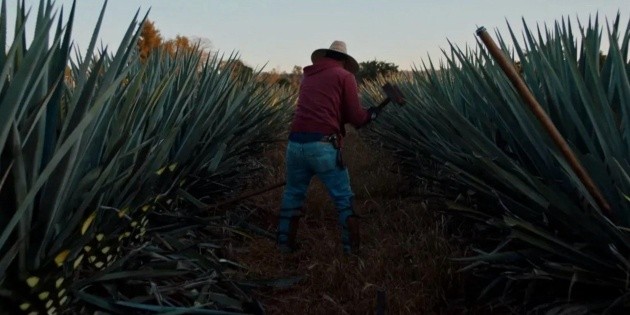
González’s approach to Dos Estaciones is marked by a meticulous attention to detail in depicting the tequila-making process, showcasing the labor, skill, and passion involved in crafting the spirit. The cinematography, often employing natural light and long takes, allows the audience to immerse themselves in the rhythm of the factory and the breathtaking landscapes of Jalisco. This visual style underscores the film’s commitment to portraying the realities of its subjects without sensationalism, instead opting for a quiet yet powerful observation of human endurance. The film’s pacing, deliberate and contemplative, mirrors the slow, patient process of tequila production itself, allowing themes to unfold organically.
Teresita Sánchez’s Acclaimed Performance and the Sundance Recognition
A cornerstone of the film’s critical success is the powerful performance by Teresita Sánchez as María García. Her portrayal earned her the Special Jury Award for Acting at the prestigious Sundance Film Festival in 2022, an accolade that significantly elevated the film’s international profile. Sánchez’s performance is lauded for its nuanced depiction of strength, vulnerability, and unwavering determination. She embodies the resilience of a woman fighting not just for her business, but for her identity, her family’s legacy, and a way of life that is slowly fading. Critics praised her ability to convey a lifetime of struggle and pride through subtle gestures and expressions, making María an instantly relatable and deeply sympathetic character.
The Sundance Film Festival is one of the most important platforms for independent cinema globally, and receiving an award there is a major achievement that often serves as a springboard for wider distribution and further critical acclaim. For Dos Estaciones and Teresita Sánchez, this recognition brought invaluable exposure, shining a spotlight on Mexican talent and storytelling on an international stage. It underscored the universal appeal of the film’s themes, transcending geographical boundaries to connect with audiences worldwide who appreciate stories of perseverance against formidable odds.
The Broader Impact on Mexican Cinema and Cultural Preservation
The release of Dos Estaciones in major Mexican cinemas, alongside its presence in alternative circuits, signals a positive trend for national filmmaking. It demonstrates a growing appetite among Mexican audiences for stories that reflect their own realities, traditions, and struggles. The film’s success encourages distributors to take chances on independent Mexican productions that might not fit the mold of mainstream blockbusters but offer rich cultural and artistic value.
Beyond its artistic merit, Dos Estaciones serves as an important cultural document. It draws attention to the imperative of preserving traditional Mexican industries and the craftsmanship associated with them. In an era of rapid globalization, where cultural homogenization can be a concern, films like Dos Estaciones play a vital role in celebrating and protecting distinct local identities. It encourages dialogue about sustainable economic practices, fair competition, and the value of heritage in the face of modern commercial pressures. The film acts as a powerful reminder that "Mexican traditions" are not static museum pieces but living, evolving practices that require ongoing effort and dedication to maintain.
Furthermore, the film’s success contributes to the ongoing "new wave" of Mexican cinema, which has consistently produced acclaimed works exploring diverse themes and employing innovative narrative techniques. This era of filmmaking has seen Mexican directors, cinematographers, and actors gain international recognition, cementing Mexico’s place as a significant contributor to global cinema. Dos Estaciones adds another compelling voice to this vibrant landscape, showcasing the depth and breadth of storytelling emanating from the country.
A Call to Embrace National Cinema
For those who appreciate cinema that delves into the heart of a culture, that champions the spirit of resilience, and that tells a deeply human story, Dos Estaciones is an essential viewing experience. It is more than just a film; it is a cinematic journey into the soul of Jalisco’s tequila country, a tribute to the tenacious spirit of its people, and a poignant commentary on the challenges of maintaining tradition in a rapidly changing world. Its current theatrical run offers a prime opportunity for audiences to engage with a piece of national cinema that has resonated with critics and festival juries around the globe.
The film serves as a powerful reminder of the artistic talent within Mexico and the compelling stories that await discovery. By supporting films like Dos Estaciones, audiences not only enjoy a high-quality cinematic experience but also contribute to the vitality and growth of the Mexican film industry, ensuring that diverse voices and narratives continue to reach the screen.
Film Details:
- Dos Estaciones
- Director: Juan Pablo González
- Cast: Teresita Sánchez, Rafaela Fuentes, Manuel García-Rulfo, Tatín Vera
- Country of Origin: Mexico
- Year of Production: 2022

0 Comments