
The history of perfumery is inextricably linked to the cultivation and distillation of the rose, a flower that has served as the backbone of the global fragrance industry for centuries. While trends in the beauty sector often lean toward the ephemeral, a specific category of "heritage" fragrances—those launched between the early 20th century and the mid-1980s—continues to dominate the market. These scents, ranging from the revolutionary Chanel No. 5 of 1921 to the opulent compositions of 1984, represent more than mere olfactory pleasure; they are tools of self-expression designed to project character and historical weight. However, as the millennial demographic seeks to reconcile these nostalgic associations with contemporary tastes, a new wave of niche perfumery, particularly from South Korea, is redefining how the rose is perceived in the modern era.
The Heritage Era: Pillars of 20th-Century Perfumery
The period between 1921 and 1984 established the "Golden Age" of Western perfumery. During this time, the rose transitioned from a simple, soliflore (single-note) representation to a complex ingredient capable of conveying power, mystery, and sophistication.

In 1921, Ernest Beaux and Gabrielle "Coco" Chanel launched Chanel No. 5. This fragrance is widely cited by industry historians as the first "abstract" perfume. By utilizing high concentrations of aldehydes alongside the Grasse-grown Rosa Centifolia (May Rose) and jasmine, Beaux created a scent that did not smell like a specific flower, but like a "composition." This shifted the purpose of perfume from mimicking nature to creating an artificial, luxury aura.
By 1979, the industry saw another landmark with Guerlain’s Nahema. Jean-Paul Guerlain reportedly spent four years and thousands of trials to perfect this ode to the rose. Unlike the powdery roses of the past, Nahema utilized a "velvet" approach, incorporating peach, sandalwood, and patchouli to give the flower a tactile, almost physical presence. These historical markers created an olfactory memory for generations, where the scent of rose became synonymous with the vanity tables of mothers and grandmothers—a concept now being challenged and expanded by modern niche houses.
The Science of the Rose: Centifolia vs. Damascena
To understand the evolution of these fragrances, one must examine the raw materials that define them. The two primary species used in high-end perfumery are Rosa damascena (Damask rose) and Rosa centifolia (Centifolia or "hundred-petaled" rose).

- Rosa Centifolia (The May Rose): Primarily grown in Grasse, France, this rose is the cornerstone of the classic perfumes mentioned in the 1921–1984 timeline. It is harvested only in May, usually at dawn to preserve the delicate aromatic compounds. Its scent profile is often described as honeyed, clear, and light, with a deep floral richness that lacks the spicy edges of other varieties.
- Rosa Damascena: Grown largely in Bulgaria and Turkey, this rose offers a more "oriental" and spicy profile. It is often the choice for modern "mystic" or "dark" rose perfumes due to its higher content of citronellol and geraniol, which provide a lemony, green, and slightly peppery nuance.
The modern shift in perfumery often involves using these traditional extracts in unconventional ways—pairing them with aquatic, gourmand, or smoky notes to strip away the "vintage" label that some younger consumers associate with the flower.
Pitti Fragranze and the South Korean Niche Revolution
The annual Pitti Fragranze event in Florence, Italy, serves as the premier global stage for artistic perfumery. The most recent editions have highlighted a significant geopolitical shift in scent creation: the rise of South Korean niche brands. These houses are moving away from the "K-Beauty" focus on skincare and entering the "K-Fragrance" market with a distinct aesthetic that favors minimalism, transparency, and unexpected contrasts.
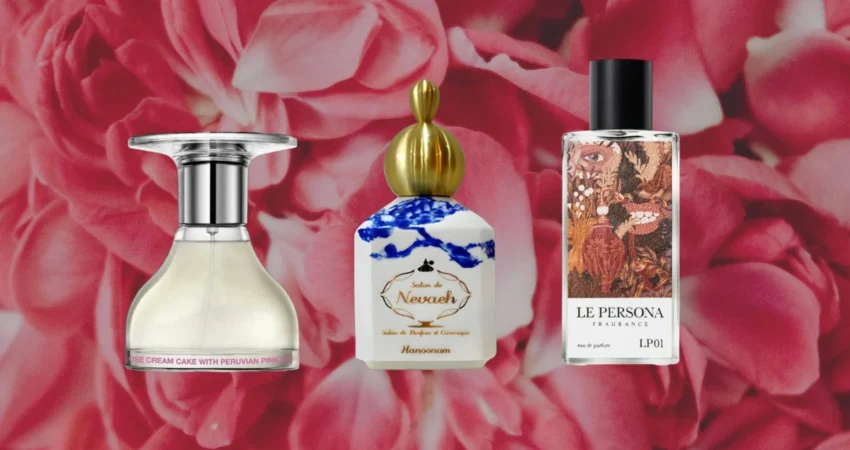
Industry analysts note that South Korean consumers, and by extension their brands, often prefer scents that feel "clean" yet "sophisticated." This has led to a reinvention of the rose. Instead of the heavy, powdery compositions of the mid-20th century, brands like Salon de Nevaeh, Kuoca, and Le Persona are presenting the rose through the lens of modern lifestyle experiences—ranging from the freshness of a morning garden to the decadence of high-end pastry.

Modern Case Studies: Three Interpretations of the Contemporary Rose
The transition from the 1984 era of "power perfumes" to the 2020s "niche era" is best exemplified by three specific South Korean releases that garnered significant attention at Pitti Fragranze.
1. Hanoonum by Salon de Nevaeh: The Aquatic Rose
Salon de Nevaeh has gained a reputation for blending traditional Korean motifs with Western olfactory structures. Hanoonum represents a departure from the "dry" rose. By incorporating melon and marine notes, the brand creates a "water rose" effect. The inclusion of petitgrain provides a bitter, green edge that mimics the stem of the flower, while sandalwood prevents the fragrance from becoming too ethereal. This composition addresses the millennial desire for "freshness" without sacrificing the complexity of a classic floral.
2. Rose Cake by Kuoca: The Gourmand Rose
Kuoca, a brand that originated in the high-end culinary and skincare intersection, treats fragrance through the lens of "flavor profiles." Rose Cake avoids the cloying sweetness of traditional gourmands. Instead, it pairs the rose with hazelnut and pink pepper. This creates a "toasted" floral effect. The use of amberwood as a base note provides a structural warmth that echoes the longevity of 1980s classics but with a modern, edible twist that appeals to the "foodie" culture of the current generation.

3. LP01 Mystic Rose by Le Persona: The Incense Rose
Le Persona focuses on the "theatrical" aspect of scent, suggesting that each perfume allows the wearer to inhabit a new character. LP01 Mystic Rose is perhaps the closest spiritual successor to the bold fragrances of the late 20th century, yet it utilizes a different toolkit. By pairing May rose with black tea and incense, the brand creates a smoky, "dry" rose that feels intimate and mysterious. At a price point of approximately 118 euros for 50ml, it positions itself in the "accessible luxury" segment of the niche market.
Chronology of Influence: From 1921 to the Niche Present
A timeline of rose-centric fragrance evolution illustrates the changing social role of women and their relationship with scent:
- 1921: Chanel No. 5 introduces the "Machine Age" rose—abstract, industrial, and high-fashion.
- 1948: Nina Ricci’s L’Air du Temps uses carnation and rose to symbolize post-war peace and femininity.
- 1979: Guerlain’s Nahema explores the "maximalist" rose, reflecting the opulence of the late 70s.
- 1984: The launch of Coco by Chanel marks the height of the "Spicy Rose" era, where florals were supported by heavy resins and balsams.
- 2000s–2010s: The rise of "Clean Beauty" leads to a decline in heavy rose scents in favor of citrus and light musks.
- 2020s: The "Niche Revival" sees brands like Le Persona and Kuoca reintroducing the rose as a gender-neutral, experimental note paired with incense, tea, and nuts.
Market Analysis and Future Implications
The global fragrance market is currently valued at over $50 billion, with the niche and artisanal segment growing at a faster rate than mass-market "celebrity" scents. Data from market research firms indicate that consumers are increasingly willing to pay a premium for "olfactory storytelling." The rose remains the most versatile ingredient in this narrative-driven market.

The broader implication of this trend is the "globalization of scent." While Grasse remains the spiritual home of rose production, the creative direction is shifting toward Seoul, Shanghai, and Dubai. These regions are taking the classic foundations laid between 1921 and 1984 and stripping them of their "old-fashioned" connotations.
Furthermore, sustainability is becoming a critical factor. The cultivation of Rosa centifolia is labor-intensive and susceptible to climate change. As a result, the industry is seeing a rise in "biotech" roses—scents created through fermentation or upcycling of rose water—which aim to mimic the complexity of the May rose while reducing the environmental footprint.
Conclusion: The Enduring Character of the Rose
The enduring appeal of the nine classic fragrances mentioned in the original discourse lies in their ability to project a defined "character" rather than a simple pleasantry. Whether it is the aldehydic sharpness of the 1920s or the smoky mystery of a modern South Korean niche blend, the rose continues to function as a mirror for the era in which it is worn.

For the modern consumer, the choice is no longer between "old" and "new," but between different interpretations of a timeless icon. The "nostalgic" rose of the 20th century provides a sense of continuity and heritage, while the "innovative" rose of the 21st century offers a way to engage with the flower through the lens of modern art and global culture. As the industry moves forward, the rose remains the ultimate protagonist in the story of perfumery, proving that a well-crafted scent can indeed transcend time, projecting not just an odor, but a soul.

0 Comments