
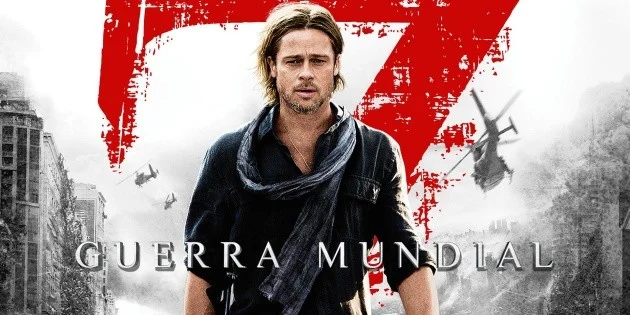
After years of development setbacks, cancellations, and resurgences, the highly anticipated sequel to the 2013 global zombie thriller World War Z has been definitively greenlit, with Academy Award winner Brad Pitt officially set to reprise his role as United Nations investigator Gerry Lane. Beyond his starring role, Pitt will also serve as a producer on the project through his acclaimed production company, Plan B Entertainment, alongside Dede Gardner and Jeremy Kleiner. This renewed commitment from Pitt and Plan B marks a pivotal moment for a franchise that has navigated a notoriously turbulent path to its continuation. The script for the sequel is being penned by Dennis Kelly, known for his work on ‘Matilda: The Musical’ and the British series ‘Utopia,’ though specific plot details remain under wraps, fueling anticipation for the narrative direction this new installment will take. The confirmation, initially reported by Variety, signals a robust effort to bring the sequel to fruition after more than a decade since the original film captivated audiences worldwide.
The Long and Winding Road: A Chronology of the World War Z Sequel’s Development
The journey to a World War Z sequel has been anything but straightforward, marked by a series of announcements, delays, and near-cancellations that have tested the patience of fans and industry observers alike. The original film, directed by Marc Forster, was a commercial success despite its well-documented production challenges, grossing over $540 million globally against a reported budget of $190 million, making it the highest-grossing zombie film of all time. This strong box office performance immediately spurred discussions for a follow-up.
- 2013-2014: Initial Momentum and Director Search: Shortly after the first film’s release, Paramount Pictures and Plan B Entertainment expressed strong interest in a sequel. In December 2013, director Juan Antonio Bayona, fresh off the success of ‘The Impossible,’ was reportedly in talks to helm the project. His vision promised a potentially darker, more character-driven approach.
- 2015: Bayona’s Departure and Creative Differences: By mid-2015, Bayona officially withdrew from the project, citing scheduling conflicts with his work on ‘A Monster Calls’ and later, ‘Jurassic World: Fallen Kingdom.’ This marked the first significant setback, forcing the producers to re-evaluate their creative direction and search for a new helmer.
- 2016: David Fincher Enters the Picture: In a move that electrified the industry, Brad Pitt approached acclaimed director David Fincher, with whom he had collaborated on ‘Se7en,’ ‘Fight Club,’ and ‘The Curious Case of Benjamin Button.’ Fincher, known for his meticulous and often dark cinematic style, seemed an ideal choice to elevate the zombie genre. His involvement was confirmed in April 2016, with a script then being developed by Dennis Kelly.
- 2017-2018: Pre-Production and Anticipation: With Fincher on board, pre-production began in earnest. The project was slated to begin filming in 2018, with locations scouted and an ambitious script taking shape. Fincher reportedly envisioned a sequel that would diverge significantly from the first film, focusing more on the psychological aspects of survival and the global political landscape in the aftermath of the initial outbreak.
- 2019: The Abrupt Cancellation: In February 2019, just weeks before filming was set to commence, Paramount Pictures unexpectedly pulled the plug on the project. The cancellation was widely reported to be due to budget concerns, particularly in light of China’s ban on films featuring ghosts and zombies, which would significantly impact the film’s potential international box office. The estimated budget for Fincher’s vision was reportedly north of $200 million, a figure Paramount deemed too risky without the Chinese market. Brad Pitt and Fincher were reportedly disappointed but moved on to other projects.
- 2020-2023: Dormancy and Fading Hopes: For several years, the World War Z sequel remained dormant, widely believed to be a dead project. Industry insiders and fans alike largely gave up hope for its revival, assuming the financial and logistical hurdles were insurmountable.
- 2024: The Unforeseen Resurgence: The recent confirmation marks an astonishing turnaround. The specifics of how the project was revived, what budgetary adjustments have been made, or if Fincher’s original vision is being revisited (or entirely scrapped for a new approach) remain undisclosed. However, the re-attachment of Brad Pitt as both star and producer, along with Dennis Kelly returning to the script, signals a determined effort to finally bring this sequel to life. This perseverance underscores a belief in the franchise’s enduring appeal and commercial viability.
The Original Film’s Impact and Production Challenges
The 2013 World War Z film, based on Max Brooks’ seminal 2006 novel World War Z: An Oral History of the Zombie War, faced a notoriously troubled production. The film underwent extensive reshoots of its entire third act, pushing its budget significantly over projections. The original ending, which reportedly involved a much larger, more action-heavy sequence in Moscow, was deemed too expensive and tonally inconsistent with the rest of the film. Damon Lindelof and Drew Goddard were brought in to rewrite the final 40 minutes, culminating in the more contained, suspenseful conclusion set in a World Health Organization facility in Wales.
Despite these behind-the-scenes struggles, the film resonated with audiences. Its portrayal of fast-moving, swarming zombies provided a fresh take on the undead, differentiating it from the slower, more shambling zombies prevalent in other media. The global scope of the pandemic, with Gerry Lane traveling from Philadelphia to South Korea, Israel, and finally Wales, offered a sense of scale rarely seen in the genre. Critics were divided, with some praising its thrilling action and Pitt’s performance, while others criticized its generic plot and departure from Brooks’ source material. However, its financial success cemented its place as a significant entry in the zombie genre and demonstrated the franchise’s potential.
Max Brooks’ Vision: The Source Material’s Enduring Legacy
The success of World War Z as a film owes much to the groundbreaking nature of Max Brooks’ novel. Published in 2006, the book takes the form of an oral history, chronicling the global zombie war through a series of individual accounts and interviews conducted by a post-war UN investigator. This unique narrative structure allowed Brooks to explore the political, social, economic, and military ramifications of a worldwide zombie pandemic from diverse perspectives, ranging from soldiers and scientists to politicians and ordinary citizens across various countries.
The novel is lauded for its geopolitical realism and its nuanced examination of how different societies would react to such an existential threat. It delved into themes of resource allocation, government failures, psychological trauma, and the resilience of the human spirit. While the film adaptation significantly streamlined the narrative, focusing on Brad Pitt’s single protagonist and a more traditional action-thriller format, it retained the core concept of a global, rapidly spreading contagion threatening humanity’s extinction. Many fans of the book hoped that a sequel might incorporate more of the novel’s depth and multi-faceted storytelling, a challenge that Dennis Kelly will now face.
Brad Pitt’s Unwavering Commitment and Plan B Entertainment’s Influence
Brad Pitt’s continued involvement in the World War Z sequel is arguably the most critical factor in its revival. As both the lead actor and a key producer through Plan B Entertainment, Pitt’s dedication signals a strong belief in the project’s potential. Plan B has a stellar reputation for producing critically acclaimed and commercially successful films, including Academy Award winners like ’12 Years a Slave,’ ‘Moonlight,’ and ‘Minari,’ as well as ‘The Departed’ and ‘Vice.’ Their involvement lends significant creative weight and financial backing, suggesting a meticulously planned approach rather than a rushed cash-grab.
Pitt’s commitment to the character of Gerry Lane and the World War Z universe extends beyond just acting. His role as a producer means he has a vested interest in the narrative direction, the quality of the script, and the overall execution of the film. This hands-on approach likely played a crucial role in navigating the previous development hurdles and ultimately pushing for the project’s re-activation. His star power also guarantees a significant audience draw, a vital consideration for a major studio release.
The Screenwriter: Dennis Kelly and the Secret Plot
The re-engagement of Dennis Kelly to pen the script is another intriguing aspect of the sequel’s revival. Kelly is a BAFTA-winning writer known for his versatile work across television, film, and theatre. His credits include the critically acclaimed British conspiracy thriller series ‘Utopia,’ which garnered praise for its dark humor, intricate plot, and unflinching violence, suggesting he is well-suited to the gritty world of World War Z. His work on ‘Matilda: The Musical’ also showcases a range that indicates an ability to handle complex narratives and character development.
The secrecy surrounding the plot details is standard for high-profile productions but particularly impactful here given the long hiatus and the previous creative shifts. Will the sequel pick up directly after the first film’s events, exploring the aftermath of the "vaccine" discovery and the ongoing battle against the undead? Or will it jump forward in time, perhaps adopting a narrative more akin to Brooks’ oral history, showcasing different facets of the post-apocalyptic world? The potential exists to delve deeper into the origins of the virus, the global political responses, or the challenges of rebuilding society in a world forever changed by the zombie pandemic. Given Kelly’s background, fans might anticipate a story that is not only thrilling but also intelligent and socially resonant.
Paramount’s Franchise Ambitions and the Zombie Genre Landscape
The decision by Paramount Pictures to revive World War Z speaks volumes about the studio’s broader franchise strategy. In an era dominated by established cinematic universes and tentpole releases, studios are keen to leverage existing intellectual property with proven box office potential. Despite the previous cancellation due to budget concerns, the enduring appeal of the zombie genre and the global recognition of the World War Z brand likely tipped the scales back in favor of a sequel.
The zombie genre itself has evolved considerably since 2013. Television series like ‘The Walking Dead’ have explored long-form narratives of survival, while films like ‘Train to Busan’ have offered innovative takes on the horror and action elements. The World War Z sequel will enter a crowded but still hungry market. Its success will depend not only on delivering high-octane action but also on providing a fresh perspective or deeper thematic resonance that justifies its return. Paramount’s investment, especially with Pitt and Plan B at the helm, suggests a commitment to making this sequel a significant event rather than just another zombie movie.
Brad Pitt’s Busy Slate: Beyond World War Z
The World War Z sequel is just one of several high-profile projects keeping Brad Pitt busy in the coming years, showcasing his continued versatility and demand in Hollywood.
- The Further Mis-Adventures of Cliff Booth: Pitt is also slated to reunite with Quentin Tarantino and David Fincher for this intriguing project, where he will reprise his Academy Award-winning role as Cliff Booth, the stuntman from ‘Once Upon a Time in Hollywood.’ This sequel or spin-off, potentially exploring Booth’s life beyond the events of the original film, is highly anticipated, especially given the creative synergy between Pitt, Tarantino, and Fincher. His portrayal of Booth earned him his first acting Oscar, solidifying his status as a performer capable of both leading man charisma and nuanced character work.
- Heart of the Beast: Scheduled for release on September 25, ‘Heart of the Beast’ sees Pitt starring in a film directed by David Ayer. In this action-thriller, Pitt portrays James Belmont, a Special Forces officer who miraculously survives a plane crash. This role suggests a return to the intense, physically demanding performances for which he is well-known, offering a different kind of heroism compared to Gerry Lane’s investigative work.
- The Riders: Pitt is also collaborating with Plan B Entertainment on ‘The Riders,’ a film currently without a release date. Details about this project are scarce, but Plan B’s track record suggests it will be a thoughtfully crafted and potentially challenging piece of cinema. His continued partnership with his production company highlights his ambition to not only star in but also shape the landscape of contemporary filmmaking.
These diverse projects underscore Pitt’s strategic choices in his career, balancing major franchise commitments like World War Z with auteur-driven works and more intimate, character-focused dramas. His involvement ensures that the World War Z sequel will benefit from his considerable acting talent and his proven instincts as a producer.
Looking Ahead: Expectations and Challenges
The official confirmation of the World War Z sequel, with Brad Pitt’s return as both star and producer, injects new life into a franchise long considered dormant. While the details of Dennis Kelly’s script remain a closely guarded secret, the involvement of such key figures signals a serious and determined effort to deliver a compelling follow-up.
The challenges ahead are significant: meeting the expectations of fans who have waited over a decade, navigating the complex landscape of the zombie genre, and justifying the substantial investment required for a global-scale blockbuster. However, with Brad Pitt’s unwavering commitment, Plan B Entertainment’s proven track record, and a talented writer at the helm, the World War Z sequel now appears poised to finally materialize, promising another thrilling chapter in humanity’s fight for survival against the undead. The world waits to see how Gerry Lane will once again face the apocalypse.

0 Comments