
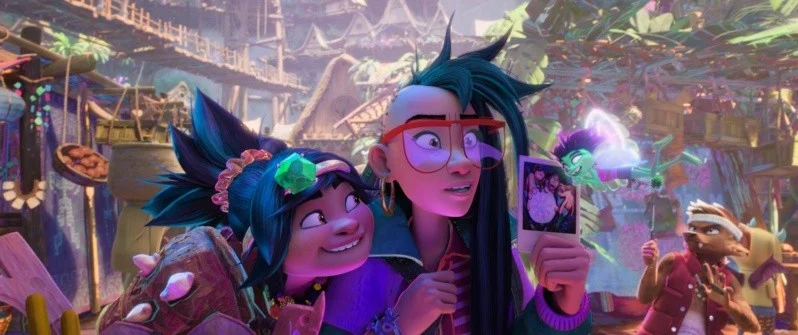
Set to captivate audiences with its vibrant narrative and rich cultural tapestry, La isla olvidada (Forgotten Island) marks a significant milestone in animated filmmaking as the first non-sequel directed by the acclaimed duo Januel P. Mercado and Joel Crawford. Drawing profound inspiration from Filipino folklore, this original production promises a heartfelt exploration of friendship, identity, and the magic inherent in cultural heritage, distinguishing itself in an industry often dominated by established franchises. The film, slated for release in 2026, has already generated considerable buzz for its unique premise and its commitment to diverse storytelling, signaling a pivotal moment for representation in mainstream animation.
Cultural Tapestry: The Heart of Filipino Folklore
At the core of La isla olvidada lies a deep reverence for Filipino mythology, a wellspring of fantastical creatures and ancient legends that have been passed down through generations. The narrative centers on Jo and Raissa, two high school graduates and lifelong best friends, whose journey into a mystical realm is intrinsically linked to the stories they grew up hearing from their Filipino families. This integration of authentic cultural elements is a defining feature of the film, offering both an homage to a rich heritage and an educational window for a global audience.
The mythical island of Nakali, where the protagonists are transported, is depicted as teeming with magical and mythological beings. Among these, the formidable Manananggal is highlighted as the island’s most feared creature, presenting a central antagonist for Jo and Raissa. The Manananggal is a particularly chilling figure in Philippine folklore, a vampire-like, self-segmenting creature often described as a beautiful woman who can detach her upper torso from her lower body at night, growing large, bat-like wings to fly in search of victims, typically pregnant women whose fetuses she preys upon. Its inclusion suggests a darker, more thrilling dimension to the adventure, contrasting with the often whimsical nature of animated fantasy. Beyond the Manananggal, Filipino folklore abounds with other intriguing entities such as the Tikbalang (a horse-headed humanoid), Kapre (a giant tree-dwelling creature), Diwata (fairies or nature spirits), and Nuno sa Punso (dwarves living in anthills). While not all are explicitly named in the initial synopsis, their potential presence or influence would further enrich the film’s world-building, creating an immersive experience steeped in genuine cultural tradition. This deliberate choice to feature lesser-known mythologies, rather than relying on universally recognized Western fantasy archetypes, underscores the film’s commitment to cultural authenticity and innovation.
A New Direction for Acclaimed Directors
The directorial partnership of Januel P. Mercado and Joel Crawford brings a wealth of experience and creative vision to La isla olvidada. Joel Crawford is widely recognized for his work on highly successful animated features, including The Croods: A New Age (2020) and, most notably, Puss in Boots: The Last Wish (2022). The latter garnered critical acclaim for its stunning animation style, mature themes, and innovative storytelling, earning an Academy Award nomination for Best Animated Feature. Crawford’s expertise in blending humor, action, and emotional depth is evident in his previous works, suggesting that La isla olvidada will benefit from a similar sophisticated approach.
Januel P. Mercado also boasts an impressive resume in animation, having contributed to numerous beloved projects. His extensive background in storyboarding and visual development for major studios positions him as a key creative force in crafting the visual language and narrative flow of La isla olvidada. For both directors, this project represents a significant departure from sequel-driven productions, allowing them to forge an entirely new world and story from the ground up. This shift is not merely a creative choice but also reflects a broader industry trend where studios are increasingly investing in original content, recognizing the audience’s appetite for fresh narratives and diverse perspectives. The decision to tackle an original story rooted in specific cultural folklore highlights their artistic courage and a desire to push the boundaries of mainstream animated storytelling.
The Narrative Arc: Friendship, Identity, and Sacrifice
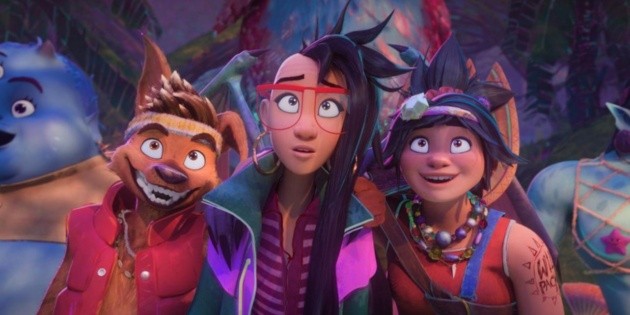
The central conflict of La isla olvidada revolves around the poignant theme of enduring friendship in the face of monumental change and sacrifice. Jo and Raissa, on the cusp of adulthood and divergent life paths, find their bond tested when they are thrust into the perilous world of Nakali. Their journey through the island, accompanied by the well-meaning but hapless dog-man Raww and a small, powerful pack of friends, forces them to confront not only external threats like the Manananggal but also the deeper internal struggles associated with growing up and growing apart.
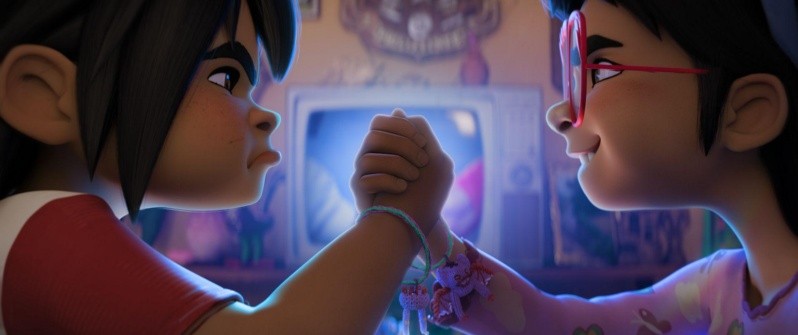
The most profound challenge arises when they discover that the price of returning home is the complete erasure of their shared memories. This devastating revelation transforms their quest from a simple escape to a desperate race against time to preserve the very essence of their friendship. The film thus delves into complex emotional territory, exploring questions of identity, the value of shared history, and the sacrifices one is willing to make for those they hold dear. It offers a powerful metaphor for the natural evolution of friendships as individuals mature and embark on new life stages, resonating with young adults and beyond. The premise suggests a narrative rich in emotional stakes, where the magical adventure serves as a backdrop for a deeply human story about connection and loss.
Behind the Scenes: Crafting the Animated World
While specific details about the animation style and production pipeline remain under wraps, the involvement of directors known for visually distinctive films suggests a high level of artistic ambition for La isla olvidada. Given Crawford’s recent work on Puss in Boots: The Last Wish, which famously blended various animation techniques to create a painterly, stylized aesthetic, it is plausible that La isla olvidada could adopt a similar innovative approach. Such a style could be particularly effective in rendering the mystical landscapes of Nakali and the diverse array of Filipino mythological creatures, allowing for a unique visual identity that distinguishes it from more conventional CGI animation.
The world-building for Nakali would involve extensive research and creative design to accurately and respectfully portray elements of Filipino culture, from architecture and flora to traditional garments and symbolic motifs. Collaborating with cultural consultants would be crucial to ensure authenticity and avoid misrepresentation. The animation process would entail countless hours of conceptual art, character design, storyboarding, modeling, texturing, rigging, animation, lighting, and rendering. The goal would be to create a living, breathing world that feels both fantastical and grounded in its cultural roots, inviting audiences to immerse themselves fully in Jo and Raissa’s extraordinary adventure. The musical score, often a powerful storytelling tool in animation, would likely incorporate traditional Filipino instruments and melodies, further enhancing the film’s cultural authenticity and emotional resonance.
Voice Talent and Global Reach
The initial information highlights the Spanish voice cast, featuring Kenia Os and Esmeralda Soto, indicating a robust international distribution strategy for the film. Kenia Os, a prominent Mexican singer and internet personality, and Esmeralda Soto, an experienced voice actress, bring a blend of star power and talent to the Spanish-language version, appealing directly to Latin American audiences. This strategic casting underscores the global appeal and market potential of culturally rich animated films.
For the original English-language version, one can infer that a cast of equally talented and perhaps culturally relevant voice actors would be assembled. Given the film’s emphasis on Filipino culture, it would be a logical and impactful choice to cast actors of Filipino descent in key roles, not only to lend authenticity to the performances but also to provide opportunities for underrepresented voices in the industry. The success of films like Raya and the Last Dragon (inspired by Southeast Asian cultures) and Encanto (rooted in Colombian culture) has demonstrated the immense value of culturally specific casting and storytelling in connecting with diverse audiences worldwide.
Cultural Significance and Representation
La isla olvidada arrives at a time when Hollywood and the global entertainment industry are increasingly recognizing the importance of diverse representation. For the Filipino diaspora and the broader Southeast Asian community, a mainstream animated film centered on their folklore is a momentous event. It offers a sense of visibility, pride, and validation, allowing audiences to see their heritage celebrated on a global stage. This kind of representation goes beyond mere tokenism; it provides a platform for cultural education, breaking down stereotypes, and fostering greater understanding among different communities.
The film’s exploration of universal themes—friendship, identity, and the challenges of growing up—through a uniquely Filipino lens allows it to resonate with a broad audience while simultaneously preserving its distinct cultural identity. It contributes to a growing trend of "glocal" storytelling, where locally specific narratives achieve global appeal, enriching the tapestry of world cinema. This commitment to authentic cultural representation can inspire future filmmakers and artists from diverse backgrounds to share their own stories, further diversifying the landscape of entertainment.
Anticipated Reception and Industry Impact
As a 2026 release, La isla olvidada is poised to enter a competitive but evolving animated film market. Its originality and cultural specificity could be its greatest strengths, potentially attracting both critical acclaim and commercial success. Critics are likely to commend its innovative approach to folklore, its sophisticated animation, and its emotionally resonant narrative. Audiences, particularly those seeking fresh, non-franchise stories, may embrace its unique charm and powerful message.
The film’s performance could have broader implications for the animation industry. A strong showing would reinforce the viability of original, culturally specific narratives, potentially encouraging more studios to invest in similar projects. It could also solidify the reputations of Januel P. Mercado and Joel Crawford as visionary directors capable of delivering both commercial hits and artistically significant works. Furthermore, La isla olvidada has the potential to become a cultural touchstone, sparking renewed interest in Filipino mythology and fostering greater appreciation for diverse storytelling in children’s and family entertainment. Its message about the enduring power of friendship and the importance of remembering one’s roots will likely resonate deeply, cementing its place as an animated classic.
In conclusion, La isla olvidada stands as a promising venture into the vibrant world of Filipino folklore, offering a compelling blend of adventure, magic, and heartfelt emotion. With experienced directors at the helm and a narrative rich in cultural significance and universal themes, the film is set to deliver an unforgettable cinematic experience that celebrates friendship, embraces cultural heritage, and redefines what is possible in animated storytelling.

0 Comments