
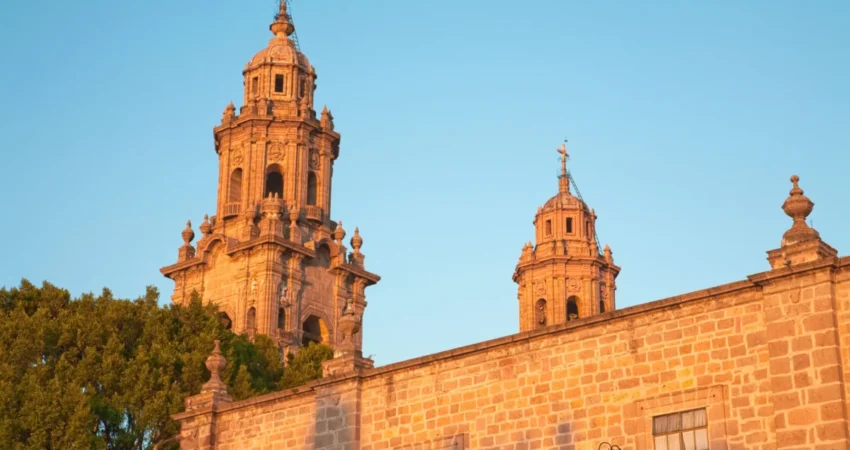
Morelia, the capital of the state of Michoacán, serves as a premier destination for travelers seeking a sophisticated blend of historical depth, architectural mastery, and a vibrant contemporary cultural scene. Known for its distinctive pink quarry stone—cantera rosa—the city’s urban landscape is a living museum of Renaissance, Baroque, and Neoclassical influences. In 1991, UNESCO recognized the city’s meticulously preserved 16th-century layout by inscribing its Historic Center on the World Heritage List. This designation covers a central core of approximately 1,113 hectares, housing 249 major monuments and hundreds of historic buildings that have maintained their original integrity for centuries. Morelia is not merely a relic of the past; it is a thriving urban center that bridges the gap between colonial heritage and modern luxury, offering a curated experience for international and domestic visitors alike.
Historical Evolution and Urban Development
The city was founded on May 18, 1541, by Viceroy Antonio de Mendoza under the name "Valladolid." From its inception, it was designed to be a Spanish bastion in the heart of the Purépecha region, serving as a rival to the nearby religious center of Pátzcuaro. The urban planning of Morelia is noted by historians for its adherence to the "Ordinances of the Indies," featuring wide, straight streets that create a grid pattern designed to allow sunlight to reach the pavement throughout the day.

In 1828, following the Mexican War of Independence, the city was renamed Morelia in honor of José María Morelos y Pavón, a pivotal insurgent leader and a native of the city. Morelos, alongside Miguel Hidalgo y Costilla, was educated at the Colegio de San Nicolás, one of the oldest institutions of higher learning in the Americas. This intellectual legacy solidified Morelia’s reputation as the "Athens of Mexico," a center for philosophy, law, and the arts. Today, the Colegio de San Nicolás remains a functional part of the Universidad Michoacana de San Nicolás de Hidalgo, continuing a tradition of academic excellence that spans nearly five centuries.
Architectural Landmarks of the Historic Center
The architectural identity of Morelia is defined by the extensive use of pink volcanic stone, which gives the city a unique aesthetic warmth. The focal point of the city is the Morelia Cathedral, an imposing structure built between 1660 and 1744. Designed by architect Vicenzo Barroso de la Escayola, the cathedral is a masterpiece of the Mexican Baroque style, though it also incorporates Neoclassical elements in its interior. Its twin towers, rising to 62 meters, are among the tallest in Mexico.
A significant driver of local tourism is the "Lighting of the Cathedral" (Encendido de la Catedral), an event held every Saturday at 9:00 PM. This choreographed spectacle involves music, pyrotechnics, and a sophisticated lighting system—reportedly designed by the same company responsible for the illumination of the Eiffel Tower—transforming the building into a luminous landmark.

Beyond the cathedral, the city offers several key sites:
- The Aqueduct: Constructed in the late 18th century to provide water to the city during a severe drought, this structure consists of 253 arches and remains one of the most photographed engineering feats in Michoacán.
- Fuente de las Tarascas: Located at the intersection of the Aqueduct and Madero Avenue, this bronze fountain depicts three Purépecha princesses. It serves as a symbolic tribute to the indigenous roots of the region.
- Callejón del Romance: A narrow, pedestrian-only passage adorned with verses from the poem "Romance de mi Ciudad" by Lucas Ortiz. This area represents the more intimate, romantic side of Morelian urban life.
Modern Infrastructure and Accessibility
As a major regional hub, Morelia is highly accessible via multiple transport modes. For travelers originating from Mexico City, the city is reachable via a 3.5 to 4-hour drive on modern toll roads, such as the Autopista de Occidente. This route is preferred by families and weekend travelers for its safety and efficiency.
For international and long-distance domestic visitors, the General Francisco J. Múgica International Airport (MLM), located 27 kilometers from the city center, provides critical connectivity. The airport manages regular flights from major Mexican hubs, including Tijuana, Monterrey, and Cancún, as well as seasonal and year-round international connections to U.S. cities such as Chicago, Houston, and Los Angeles. According to recent aviation data, MLM has seen a steady increase in passenger traffic, reflecting Morelia’s growing status as a cultural tourism powerhouse.

The Boutique Hospitality Sector: A New Standard of Luxury
Morelia’s hospitality landscape has evolved to cater to a discerning clientele that values privacy and historical context. Two notable properties exemplify this trend:
Grand María Hotel Boutique: Situated in the upscale La Loma neighborhood (locally referred to as "La Paloma"), this five-suite boutique hotel offers a panoramic view of the city. Managed by a local family, the property focuses on an "adults-only" experience that emphasizes slow travel. With an on-site restaurant, a curated craft boutique, and a sophisticated wine cellar, Grand María is designed for travelers who seek a retreat-like atmosphere while remaining within reach of the city’s cultural core.
Hotel de la Soledad: This property is a cornerstone of the Historic Center. Housed in a colonial building dating back to 1735, it originally served as the Casa-Mesón de Eulate. The hotel has been meticulously restored to highlight its original wood beams, stone carvings, and central courtyard. It provides an immersive historical experience, allowing guests to stay in a building that has witnessed nearly three centuries of the city’s history.

Gastronomy: The Heart of Michoacán’s Heritage
In 2010, Mexican cuisine was recognized by UNESCO as Intangible Cultural Heritage of Humanity, with the traditional cooking of Michoacán serving as the primary model for the nomination. Morelia’s culinary scene is a sophisticated blend of ancestral techniques and modern innovation.
Key regional dishes that define the Morelian experience include:
- Uchepos and Corundas: Variants of tamales made with fresh corn and served with cream and salsa.
- Churipo: A robust beef and vegetable broth flavored with dried chilies.
- Carnitas: Michoacán-style slow-cooked pork, celebrated for its tender texture and rich flavor.
- Atole Negro: A traditional beverage made from charred cacao husks.
The city’s restaurant industry is led by figures such as Chef Hugo Mora Alcaraz of Casa Carlota, who reinterprets regional flavors through contemporary techniques. Other essential establishments include LU Cocina Michoacana, which focuses on sustainable, locally sourced ingredients, and La Conspiración de 1809, led by Chef Cynthia Martínez, which emphasizes traditional recipes in a historic setting once inhabited by the revolutionary figure Mariano Michelena. For those interested in the burgeoning spirits scene, Tata Mezcalería offers an extensive selection of regional mezcals, highlighting Michoacán’s status as a major producer of agave spirits.

Regional Day Trips: The Purépecha Influence
Morelia serves as the gateway to the "Pueblos Mágicos" (Magical Towns) of Michoacán, each offering a distinct window into the region’s artisanal and indigenous heritage.
Capula: Located just outside the city, Capula is the epicenter of Michoacán’s pottery tradition. It is most famous for the creation of Catrinas—elegant clay figures representing death, inspired by the work of José Guadalupe Posada.
Tzintzuntzan: Once the capital of the Purépecha Empire, this town is home to the "Las Yácatas" archaeological site, featuring unique circular pyramids. The town also houses the 16th-century Franciscan Convent of Santa Ana, which features an atrium filled with olive trees planted by Bishop Vasco de Quiroga, some of which are among the oldest in the Western Hemisphere.

Pátzcuaro and Janitzio: Pátzcuaro is world-renowned for its "Noche de Ánimas" (Night of the Souls) or Day of the Dead celebrations. The island of Janitzio, located in Lake Pátzcuaro, becomes a focal point for ritualistic vigils where families decorate graves with cempasúchil flowers and candles to guide the spirits of the deceased.
Event Tourism: Morelia as a Wedding Destination
The "Romance Tourism" sector has identified Morelia as one of Mexico’s most desirable wedding destinations. The city’s historic churches, such as the Temple of San Francisco and the Sanctuary of Guadalupe—a neo-Gothic jewel—provide dramatic backdrops for religious ceremonies. For receptions, the trend has shifted toward "Quintas" and haciendas on the outskirts of the city. Quinta María José is a prominent example, offering expansive gardens and high-end catering that integrate the city’s gastronomic heritage into large-scale celebrations.
Broader Impact and Economic Outlook
The preservation of Morelia’s cultural assets has direct economic implications. Tourism remains a vital pillar of the state’s economy, with the Morelia International Film Festival (FICM) serving as a modern catalyst for global visibility. Every October, the festival draws international filmmakers and celebrities, positioning Morelia as a contemporary cultural capital.

According to tourism analysts, the "Morelia model" of urban preservation combined with high-end boutique hospitality is a successful blueprint for sustainable tourism. By maintaining the integrity of its UNESCO-listed center while fostering a modern culinary and arts scene, Morelia ensures its relevance in the 21st century. The city’s ability to offer both the misticism of ancient traditions and the comfort of modern luxury makes it a resilient and ever-evolving destination on the global stage.

0 Comments