
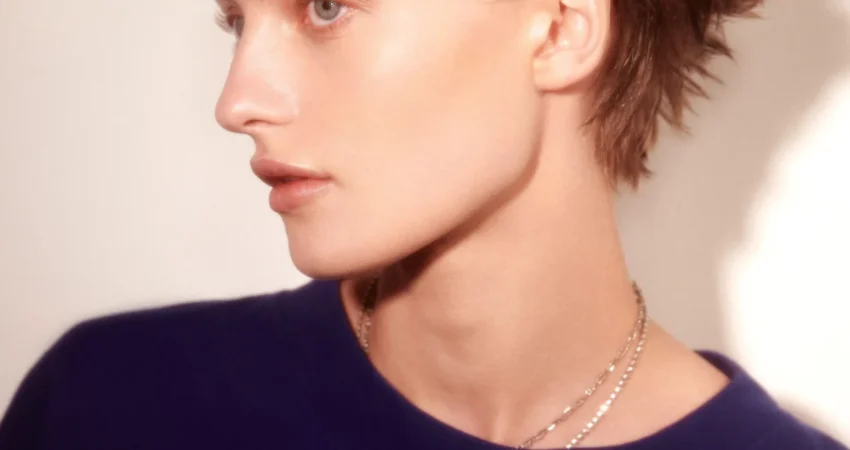
The global beauty industry has long looked toward Italy as a beacon of aesthetic excellence, particularly regarding the maintenance of what has been colloquially termed the "Italian Mane." From the cinematic elegance of Ornella Muti and Monica Bellucci to the modern-day influence of fashion icons like Gilda Ambrosio, the Italian approach to hair care is characterized by a disciplined, almost ritualistic commitment to grooming. Ambrosio, the co-founder of the luxury label Attico, recently emphasized this cultural phenomenon to Vogue, noting that for Italian women, maintaining a perfectly styled mane and impeccable nails is a non-negotiable aspect of daily life. This commitment persists regardless of professional demands or time constraints, suggesting that hair care in Italy is not merely a cosmetic choice but a fundamental component of self-presentation and cultural identity.
This cultural dedication is further validated by Rossano Ferretti, arguably the most influential Italian hair stylist in the world. Ferretti, whose "Invisible Cut" has revolutionized how hair is shaped to follow natural movement, asserts that hair care is deeply embedded in Italian family traditions. According to Ferretti, children are introduced to the nuances of scalp health and hair maintenance from a young age, with techniques and "secrets" being passed down through generations. This intergenerational transfer of knowledge creates a sense of continuity and heritage, ensuring that proper hair hygiene becomes an instinctive habit rather than a chore.
The Global Crisis of Hair Health and the Ferretti Intervention
Despite the proliferation of high-end hair products globally, Ferretti argues that a significant portion of the population—regardless of geography—fails to wash their hair correctly. This deficiency in basic hygiene technique, combined with modern environmental stressors, has led to a noticeable decline in global hair health. Ferretti observes that in regions like South Korea, women are experiencing increased hair loss due to high levels of urban pollution. Similarly, in India, a country historically renowned for the exceptional quality and thickness of its citizens’ hair, there is a measurable decline in hair vitality due to changing lifestyles and environmental factors.
To address these issues, Ferretti’s global network of hair spas has standardized a specific cleansing protocol designed to optimize scalp health and enhance the hair’s natural beauty. This method, which has been utilized by high-profile clients including Anna Wintour, focuses on the "Five Cardinal Points" of application. The goal is to ensure that the scalp is oxygenated, the roots are lifted, and the hair is thoroughly cleansed without causing mechanical damage or leaving behind residual product.
The Methodology of the Five Cardinal Points
The "Five Cardinal Points" technique is the cornerstone of the Ferretti protocol and is designed to ensure even distribution of shampoo across the entire scalp, rather than concentrating product in a single area. Valentina Vetrugno, Creative Director for Rossano Ferretti, explains that a healthy scalp is the prerequisite for strong, beautiful hair. The application follows a strategic map of the head:

- The Frontal Hairline: Application begins at the center of the forehead, where sweat and environmental pollutants often accumulate.
- The Right Temporal Region: Ensuring the product reaches the side sections above the ear.
- The Left Temporal Region: Symmetry is maintained to cover the opposing side of the scalp.
- The Crown (Vertex): The top of the head, which often bears the brunt of UV exposure and heat styling.
- The Nape of the Neck: An often-overlooked area where oils and perspiration tend to settle, particularly for those with long hair.
By applying shampoo to these five specific zones, the user avoids the common mistake of "piling" hair on top of the head, which can lead to tangling and cuticle damage. Once the product is distributed, the focus shifts to the massage. Vetrugno specifies that the massage must be performed using the pads of the fingertips—never the nails. The motion should be gentle and circular, aimed at mobilizing the scalp rather than vigorously scrubbing the hair fibers. This process stimulates microcirculation, which increases the flow of nutrients to the hair follicles and promotes cellular oxygenation.
The Two-Wash Rule and the Importance of Rinsing
The Italian method generally advocates for a double-wash system, a practice that is gaining traction in the "skinification" of hair care—a trend where scalp care is treated with the same complexity as facial skincare. The first application of shampoo, roughly the size of a walnut, is intended to break down surface oils, pollutants, and styling products. The second application, which requires a smaller amount (approximately the size of an almond), focuses on deep-cleansing the scalp and delivering the specific active ingredients of the shampoo formula.
A critical, yet frequently neglected, step in this process is the rinse. Ferretti and his team emphasize that "not having enough time" is the primary enemy of hair health. A hurried rinse often leaves behind surfactant residues that can irritate the scalp, cause dullness, and lead to "weighed-down" roots. The protocol demands several minutes of rinsing with lukewarm water to ensure the hair is completely free of product. For the Italian experts, washing is not merely a step in a hygiene routine; it is the foundational treatment for the hair’s longevity.
Supporting Data: The Economic and Biological Impact of Scalp Care
The emphasis on scalp health is supported by emerging data in the global beauty market. According to market research reports, the "Scalp Care" segment is projected to grow at a Compound Annual Growth Rate (CAGR) of over 7% through 2030. This shift is driven by a growing consumer awareness of the biological link between scalp inflammation and hair thinning.
Biologically, the scalp is one of the most absorbent areas of the human body, with a high density of sebaceous glands and hair follicles. When the scalp is not properly oxygenated—either due to product buildup or poor circulation—the follicles can enter the telogen (resting) phase prematurely, leading to increased shedding. The "Five Cardinal Points" technique addresses this by ensuring that the follicular openings are clear of debris, thereby facilitating the natural growth cycle.
Chronology of the Italian Hair Care Evolution
The evolution of these techniques can be traced through several decades of Italian beauty history:

- 1950s-1960s: The era of "La Dolce Vita" established the Italian woman as a global icon of glamour. High-volume, perfectly coiffed hair became a trademark, necessitating rigorous salon visits.
- 1990s: Rossano Ferretti introduced the "Invisible Cut," shifting the focus from artificial styling to the health and natural fall of the hair. This period marked the beginning of the "less is more" philosophy regarding styling products.
- 2010s: The "Skinification of Hair" began to emerge as a global trend, with Italy leading the way in botanical-based, sulfate-free formulations that prioritize the scalp’s microbiome.
- Present Day: The integration of traditional family "secrets" with modern dermatological science has culminated in the standardized protocols used in luxury hair spas today.
Industry Reactions and Broader Implications
The hair care industry has responded to these specialized techniques by pivoting toward "pre-shampoo" treatments and scalp-specific tools. Dermatologists have largely praised the Ferretti method for its focus on the scalp rather than the hair shaft. Dr. Elena Rossi, a Milan-based dermatologist, notes that "treating the scalp as an extension of the facial skin is the most effective way to prevent premature hair aging. The circular massage technique recommended by Italian stylists is clinically sound, as it reduces scalp tension and improves lymphatic drainage."
The broader implications of this "slow beauty" approach suggest a move away from the fast-paced, convenience-oriented routines of the early 2000s. As consumers become more educated about the chemistry of their products and the biology of their bodies, the demand for ritualistic, technique-driven care is increasing. The Italian model proves that hair health is not solely the result of expensive products, but rather the result of a disciplined, informed application process.
Environmental Factors and the Future of Hair Hygiene
As global pollution levels continue to rise, the "Italian way" of washing may become a necessity rather than a luxury. Particulate matter (PM2.5) in urban environments has been shown to adhere to the hair and scalp, causing oxidative stress and damaging the protein structure of the hair. A thorough, point-based washing system is the most effective defense against these environmental toxins.
In conclusion, the secrets of Italian hair care are rooted in a blend of cultural heritage and scientific logic. By adopting the "Five Cardinal Points" technique, individuals can replicate the results of a luxury hair spa at home, ensuring that the hair remains clean, the scalp remains oxygenated, and the roots maintain their natural vitality. As Rossano Ferretti suggests, the path to beautiful hair begins with the realization that washing is the most important gesture of care one can perform. It is a moment of well-being that requires time, precision, and a deep respect for the tradition of grooming.

0 Comments