
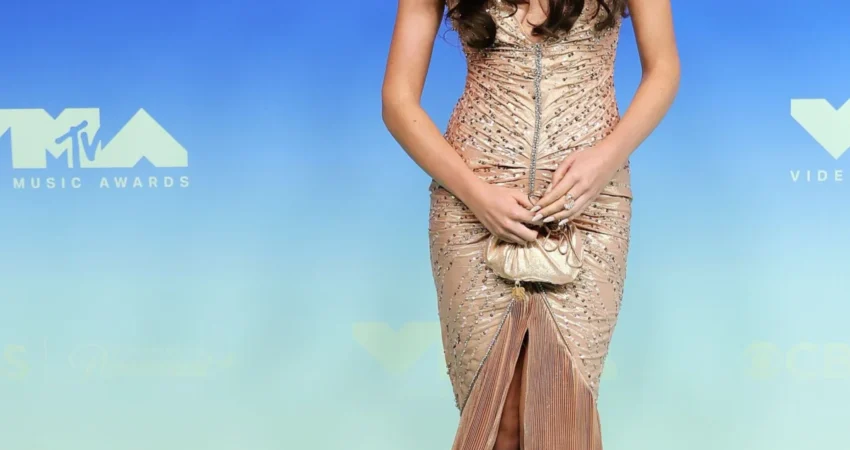
The global music industry has converged upon the Peacock Theater in Los Angeles for the 2026 MTV Video Music Awards (VMAs), an event that continues to serve as a primary barometer for pop culture influence and artistic achievement. This year’s ceremony, scheduled for a high-profile broadcast reaching over 150 countries, marks a significant return to the West Coast, positioning the heart of Hollywood as the backdrop for the year’s most anticipated musical honors. Hosted by the legendary rapper and media mogul Snoop Dogg, the 2026 VMAs are designed to bridge the gap between the golden era of hip-hop and the contemporary digital streaming age. The selection of Snoop Dogg as master of ceremonies is a strategic move by Paramount Global and MTV to leverage his multi-generational appeal, ensuring the program remains relevant to both legacy viewers and the Gen Z demographic.
The Evolution of the MTV Video Music Awards
Since its inception in 1984, the MTV Video Music Awards has functioned as the rebellious counterpart to the Grammy Awards. While the latter focuses on technical recording excellence, the VMAs have historically prioritized visual storytelling, performance art, and the "shock factor" that defines popular culture. The 2026 edition arrives at a time when the music video medium has undergone a massive transformation, moving from traditional television rotation to viral dominance on platforms such as YouTube, TikTok, and Instagram.
The Peacock Theater, located within the L.A. Live entertainment complex, provides a state-of-the-art venue for this transition. With a seating capacity of over 7,000, the theater offers an intimate yet technologically advanced environment capable of supporting the complex pyrotechnics and set designs associated with VMA performances. The move to Los Angeles reflects the industry’s focus on the intersection of music, film, and digital content creation, a synergy that is more prevalent in 2026 than in any previous decade.
The 2026 Nominees: A Study in Artistic Dominance
The nomination list for the 2026 ceremony is a testament to the enduring power of established icons and the rapid ascent of new voices. Leading the pack is Taylor Swift, whose visual output over the past eighteen months has set new benchmarks for cinematic quality in music videos. Industry analysts suggest that Swift is on the verge of breaking the record for the most total VMA wins in history, a feat that would solidify her position as the definitive artist of the 21st century.
However, the 2026 nominations also highlight a significant "renaissance" for Madonna. As the artist who arguably defined the VMA aesthetic in the 1980s, her presence in major categories this year signals a successful pivot toward experimental long-form video content. Joining them in the top-tier categories are Bruno Mars, whose funk-infused visuals continue to garner critical acclaim, and Ariana Grande, who remains a powerhouse in the "Best Pop" and "Video of the Year" sectors.
The inclusion of Sabrina Carpenter among the top nominees reflects the "mainstream solidification" of her career. After years of steady growth, her 2025-2026 chart dominance has translated into high-budget visual projects that resonate with a global audience. The diversity of the nominee pool—spanning pop, R&B, hip-hop, and rock—indicates MTV’s commitment to a genre-agnostic approach to music celebration.
Performance Lineup and Opening Act
The 2026 VMAs are structured to deliver a high-energy progression of live sets, beginning with a highly anticipated opening performance by Madonna. This choice is deeply symbolic; Madonna’s history with the VMAs dates back to the very first ceremony, and her return to open the 2026 show is viewed as a "full-circle" moment for the network. Production insiders suggest the performance will utilize augmented reality (AR) and 3D mapping to celebrate her four-decade career while debuting new material.
Following the opening, the stage will feature a global array of talent. Raye, the British singer-songwriter who has seen a meteoric rise in the United States, is expected to deliver a vocally-driven set that highlights the return of "jazz-pop" to the mainstream. Lisa, representing the global phenomenon of K-pop, will bring the high-octane choreography and visual precision that have become a staple of the VMAs in recent years.
The lineup also includes Sombr, Teddy Swims, and Shaboozey. The inclusion of Shaboozey is particularly noteworthy, as it reflects the 2026 trend of "genre-blurring," specifically the successful integration of country aesthetics with hip-hop and pop structures. Gunna is set to represent the contemporary rap landscape, ensuring that the genre which birthed the night’s host remains a central pillar of the event.
The Red Carpet: A Legacy of Vanguard Fashion
Long before the first "Moon Person" trophy is handed out, the VMA red carpet serves as a critical site for fashion discourse. Unlike the more conservative red carpets of the Academy Awards, the VMAs have historically encouraged avant-garde, controversial, and experimental attire. From Lil Kim’s 1999 purple pasty to Lady Gaga’s 2010 meat dress, the event has been a platform for artists to make political and social statements through their wardrobe.
For the 2026 ceremony, stylists and fashion houses have indicated a shift toward "sustainable futurism." Many artists are expected to wear archival pieces or garments created from recycled materials, reflecting the industry’s growing concern with environmental impact. However, the core ethos of the VMAs remains unchanged: it is a night for the bold. The 2026 red carpet is expected to feature high-concept looks that prioritize viral potential, with social media experts predicting that "red carpet moments" will generate more engagement than the awards themselves in the initial 24 hours following the broadcast.
Chronology of the 2026 VMA Night
The 2026 VMAs are organized into a strict chronological flow to maximize viewership across multiple time zones:
- The Pre-Show (5:00 PM PT): A two-hour red carpet special featuring interviews with nominees and a "Push Artist" stage for emerging talent.
- The Opening (8:00 PM PT): Madonna’s performance, followed by Snoop Dogg’s introductory monologue.
- The First Act: Distribution of the "Best Collaboration" and "Best Hip-Hop" awards, interspersed with performances by Gunna and Teddy Swims.
- The Mid-Show: A tribute to a "Video Vanguard" recipient (rumored to be a major 2010s icon), followed by a medley of their greatest hits.
- The Final Act: The presentation of the "Artist of the Year" and "Video of the Year" awards, concluding with a grand finale performance featuring multiple artists.
Industry Impact and Data-Driven Insights
The economic implications of the VMAs extend far beyond the trophy count. Data from previous years shows that winners and performers typically see a 40% to 150% increase in streaming numbers in the week following the ceremony. For an artist like Sabrina Carpenter or Shaboozey, a standout VMA performance can serve as a catalyst for a global tour or a multi-million dollar brand partnership.
Furthermore, the 2026 VMAs represent a critical test for linear television. While the show is broadcast on MTV, the real-time "clipping" of the event for social media is where the majority of the audience resides. In 2025, VMA-related content generated over 1.2 billion impressions across social platforms. The 2026 production has been designed with "vertical-first" segments, ensuring that performances look as impressive on a smartphone screen as they do on a high-definition television.
Official Responses and Strategic Vision
In a statement released ahead of the event, Bruce Gillmer, President of Music, Music Talent, Programming & Events at Paramount, emphasized the importance of the 2026 host. "Snoop Dogg is a global icon who has consistently reinvented himself. His presence as host signifies our commitment to honoring the roots of music video culture while looking forward to the future of entertainment."
Management teams for the lead nominees have also expressed the weight of the evening. A representative for Taylor Swift’s team noted that the VMAs remain a "pivotal platform for visual storytelling," while Sabrina Carpenter’s camp highlighted the ceremony as a "milestone of her artistic evolution." These statements underscore the reality that despite the proliferation of digital awards, the physical "Moon Person" remains one of the most coveted prizes in the industry.
Conclusion: The Broader Cultural Significance
The 2026 MTV Video Music Awards at the Peacock Theater are more than just a prize-giving ceremony; they are a reflection of the current state of global culture. By bringing together legacy acts like Madonna and Snoop Dogg with contemporary disruptors like Lisa and Shaboozey, MTV is attempting to curate a unified musical narrative in an increasingly fragmented media landscape.
As the night unfolds, the focus will remain on the intersection of music and image. Whether through a groundbreaking performance or a headline-grabbing red carpet look, the 2026 VMAs will undoubtedly dictate the cultural conversation for the remainder of the year. In an era where "content is king," the VMAs remind the world that the music video—and the artists who create them—remain the primary architects of the global zeitgeist. Follow the evening’s developments as the music world honors its best, brightest, and most daring creators in the heart of Los Angeles.

0 Comments