
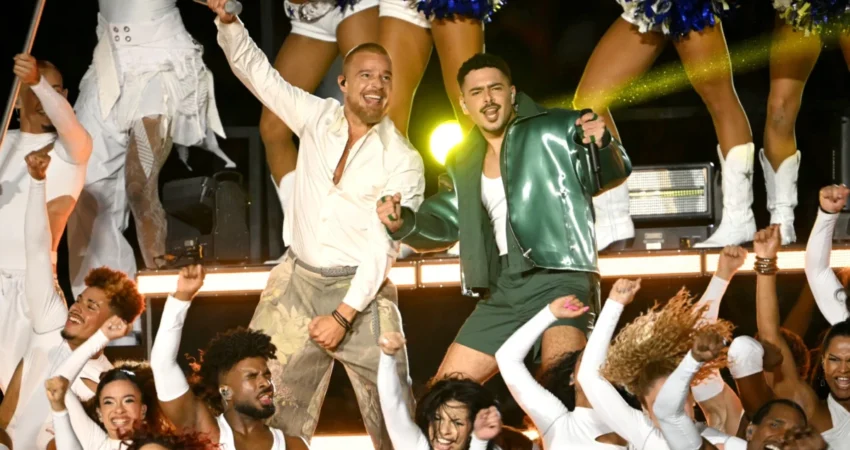
The electrifying halftime performance at the 2026 NFL Rio Game saw global music icon Ricky Martin and Brazilian artist Pedro Sampaio unveil their brand-new collaborative single, "Pikito, Pikito," to a roaring crowd at the legendary Maracanã Stadium in Rio de Janeiro, Brazil, on Sunday, September 27, 2026. The highly anticipated performance marked not only the live debut of the infectious track but also Ricky Martin’s first single release in several years, adding significant weight to the already star-studded event.
The energetic rendition of "Pikito, Pikito" served as a vibrant culmination of the first half of the NFL matchup between the Dallas Cowboys and the Baltimore Ravens, drawing the attention of an international audience. The song, described as a high-energy track, immediately resonated with fans, with its release to streaming platforms coinciding with the final notes of the performance, a strategic move by Sony Music Latin to capitalize on the live momentum.
"Pikito, Pikito," a phrase translating to "quick kiss" in English, derived from the Spanish word "piquito," was playfully incorporated into the performance itself. In a charming moment, Pedro Sampaio was seen bestowing a "pikito" on Ricky Martin’s cheek, a gesture that quickly became a talking point and highlighted the camaraderie between the two artists. This intimate interaction underscored the song’s playful and affectionate theme, further endearing it to viewers and listeners.
The production of "Pikito, Pikito" is a testament to a collaborative effort involving a talented team of music professionals. The songwriting credits include Yoel Henriquez, Eudis Ruiz, Samantha Maria Cámara, and Pedro Sampaio himself. The track was brought to life through the production expertise of Federico Vindver, Luis Salazar, and Sampaio, with Jean Rodriguez overseeing vocal recording and production. The final polish was provided by Mosty, who handled the crucial mixing and mastering of the song, ensuring a sonically rich and engaging listening experience.
A Spectacle of Music and Sports
The NFL’s foray into international markets, particularly with a regular-season game hosted in Rio de Janeiro, represents a significant expansion of the league’s global footprint. The choice of the Maracanã Stadium, a venue steeped in sporting history and cultural significance, provided a grand stage for both the American football game and the halftime entertainment. The game itself, a highly anticipated contest between two prominent NFL franchises, drew considerable attention, with the halftime show serving as a major focal point for entertainment enthusiasts worldwide.
The halftime performance by Ricky Martin and Pedro Sampaio was meticulously choreographed to deliver maximum impact. The show commenced with the artists positioned atop elevated bleachers, commanding attention from the outset. As the performance progressed, they descended to the main field, joined by a dynamic ensemble of dancers, including the Dallas Cowboys cheerleaders, adding a visual spectacle that complemented the music. Ricky Martin’s own captivating footwork, synchronized with the vibrant beats of "Pikito, Pikito," further energized the performance, demonstrating his enduring stage presence and ability to connect with audiences.

The musical composition of "Pikito, Pikito" is a deliberate fusion of diverse genres, reflecting the artists’ creative vision and the global appeal of Latin music. The track artfully blends elements of pop, funk, samba, reggaeton, mambo, and salsa, creating a soundscape that is both contemporary and deeply rooted in Caribbean and Brazilian rhythms. This eclectic mix ensures broad appeal, transcending geographical and cultural boundaries.
Creative Collaboration and Choreographic Excellence
The creative direction behind the "Pikito, Pikito" premiere was further elevated by the involvement of renowned choreographer Parris Goebel. Known for her groundbreaking work with global superstars such as Beyoncé, Rihanna, and Lady Gaga, Goebel’s involvement promised a visually stunning and impactful performance. Her choreography for "Pikito, Pikito" notably incorporated the viral routine from Sampaio’s own hit, "Vai no Cavalinho," seamlessly integrating a popular dance trend into the new song’s presentation. This strategic inclusion not only paid homage to Sampaio’s existing success but also leveraged a familiar and engaging element for fans of Brazilian funk and dance culture.
The decision to debut "Pikito, Pikito" during the NFL halftime show underscores the growing trend of major sporting events serving as platforms for significant musical releases and performances. These events offer unparalleled reach, exposing new music to millions of viewers who may not typically engage with the artists’ regular promotional channels. The synergy between sports and music continues to be a powerful force in global entertainment, and this collaboration is a prime example of its effectiveness.
Broader Implications and Future Outlook
The successful launch of "Pikito, Pikito" during the NFL Rio Game holds several implications for both Ricky Martin and Pedro Sampaio, as well as for the broader landscape of Latin music. For Ricky Martin, this single marks a significant return to the forefront of the music scene, signaling a new chapter in his illustrious career. His continued ability to adapt and collaborate with contemporary artists like Sampaio demonstrates his relevance and enduring appeal in an ever-evolving industry.
For Pedro Sampaio, this high-profile collaboration further solidifies his status as a leading figure in Brazilian music and a rising star on the international stage. His ability to seamlessly integrate with global icons like Ricky Martin highlights his versatility and ambition. The success of "Pikito, Pikito" is likely to open new doors for Sampaio, potentially leading to further international collaborations and broader market penetration.
The NFL’s strategic decision to host a game in Rio de Janeiro and to feature prominent Latin American artists in its halftime entertainment speaks volumes about the league’s commitment to diversifying its audience and embracing global markets. This initiative not only promotes American football in new territories but also provides a platform for local and international artists to showcase their talent to a massive, diverse audience. The success of such events could pave the way for more international NFL games and further collaborations between sports leagues and the music industry.
The release of "Pikito, Pikito" at 6 p.m. ET on streaming services post-performance was a well-timed strategy, allowing fans to immediately access the song after experiencing its live debut. This immediate availability is crucial in capturing audience interest generated by live events. The track’s inherent catchiness, combined with the star power of its performers and the global visibility of the NFL platform, positions "Pikito, Pikito" for significant chart success and widespread popularity. The song’s infectious rhythm and multilingual appeal are likely to contribute to its global reach, further blurring the lines between regional and international music markets. The cultural exchange evident in the song’s production and performance, bridging Puerto Rican and Brazilian musical influences, also underscores the increasing interconnectedness of global music scenes. This event serves as a powerful reminder of music’s universal language and its ability to unite diverse audiences across different cultures and continents.

0 Comments