
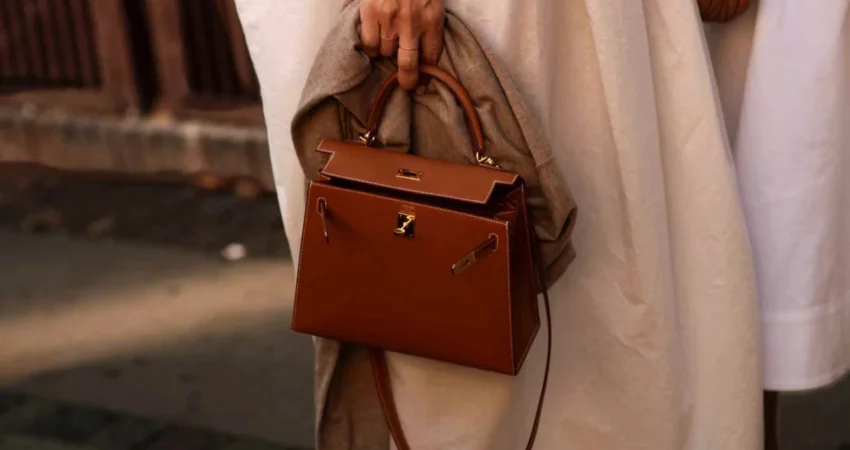
The global luxury market is currently undergoing a profound transformation, shifting from a model of conspicuous consumption to one of strategic financial and emotional investment. In Spain, this evolution is particularly visible in the high-end handbag sector, where both primary and secondary markets are experiencing unprecedented growth. This shift is characterized by a move away from mass-produced items toward pieces that embody identity, quality, and heritage. As the Autumn/Winter 2026/27 season approaches, the industry is bracing for a return to artisanal excellence, with consumers prioritizing the "investment value" of their purchases—viewing luxury items not merely as accessories, but as assets that retain or even increase in value over time.
The Strategic Shift Toward Luxury as an Asset Class
For decades, luxury was defined by brand recognition and logo-centric designs. However, contemporary market data suggests a pivot toward "quiet luxury," where the value is derived from the provenance of materials and the complexity of the craftsmanship. According to Cristina Martín Blasi, the Executive President of the Spanish Luxury Association (Luxury Spain), the modern consumer is no longer satisfied with brand name alone. The demand is now for exclusivity and a deep emotional connection to the product.

In the current economic climate, high-end handbags—specifically those from heritage houses like Hermès, Chanel, and Loewe—are being tracked by financial analysts as legitimate alternative investments. Some iconic models have historically outperformed traditional stock market indices, such as the S&P 500, in terms of annual return on investment. This "Handbag Index" has encouraged a new demographic of buyers who seek pieces that can be preserved for years, maintaining their aesthetic and emotional resonance while serving as a hedge against inflation.
Spain’s Emergence as a Global Luxury Powerhouse
Historically, Spain was viewed by the international community primarily as a high-volume tourism destination. However, over the last decade, the nation has successfully repositioned itself as a critical player in the luxury ecosystem. The Spanish luxury sector has seen a consistent annual growth rate, fueled by both a resurgence in local craftsmanship and an influx of "high-net-worth" tourists seeking authentic European experiences.
"Spain has transitioned from being a consumer market to a creative and manufacturing hub with immense international relevance," notes Martín Blasi. The country is home to some of the world’s most skilled leather artisans, many of whom produce goods for top-tier international labels. This domestic "savoir-faire" has allowed Spanish brands to compete on a global stage, emphasizing traceability and the "Made in Spain" seal of quality. This maturation of the market is reflected in the increasing sophistication of the Spanish consumer, who now favors discretion and durability over ostentation.

Chronology of the 2026 Market Evolution
The trajectory of the luxury market in 2026 can be traced through several key milestones:
- Q1 2026: The Rise of Circularity: Major luxury houses began integrating official "pre-loved" sections into their flagship boutiques, acknowledging the power of the secondary market.
- Q2 2026: Material Innovation: A surge in the use of bio-based luxury materials—such as lab-grown leathers that mimic exotic skins—offered a sustainable alternative to traditional materials without sacrificing the "luxe" feel.
- September 28, 2026: Market Reporting: Leading fashion journals and industry analysts confirmed that the "investment handbag" segment had reached a record high in Spain, with the secondary market for vintage pieces growing by 15% year-over-year.
- September 30, 2026: Recognition of Excellence: The International Luxury Awards – Diamonds of Excellence are scheduled to take place at the Real Academia de Bellas Artes de San Fernando in Madrid. This event serves as a benchmark for recognizing individuals and institutions that have contributed to the international prestige of the luxury sector.
The Diamonds of Excellence: Celebrating International Prestige
The upcoming International Luxury Awards – Diamonds of Excellence represent a significant moment for the industry. Hosted by Luxury Spain, the ceremony is designed to honor those who have transformed their respective fields through a commitment to excellence. The choice of the Real Academia de Bellas Artes de San Fernando as the venue is symbolic; it bridges the gap between classical art and modern luxury, reinforcing the idea that a well-crafted handbag is a work of art in its own right.
The awards highlight the importance of "innovation joined with emotion." In an era dominated by digital acceleration, the awards celebrate the "slow" aspects of luxury: the years of training required for a master tanner, the precision of a hand-stitch, and the vision of designers who refuse to succumb to fleeting trends.

Forecast: Handbag Trends for Autumn/Winter 2026/27
As we look toward the 2026/27 season, the aesthetic landscape is shifting. Maialen Fernandez de Arroiabe, a prominent stylist and author of EstilosaMente, suggests that the minimalism of previous years is being replaced by designs with stronger character and richer textures. The "lady-like" aesthetic is making a definitive comeback, characterized by short handles and structured silhouettes that evoke a mid-century elegance.
Key trends identified for the upcoming season include:
- Textural Depth: The use of crocodile-effect leathers and high-gloss finishes provides a tactile experience that emphasizes the quality of the hide.
- The "Jewel" Bag: Accessories are increasingly doubling as jewelry, featuring ornate hardware, precious metal inlays, and intricate clasp designs.
- Oversized and Malleable Shapes: For the functional consumer, large, "slouchy" bags made from buttery-soft leathers offer a blend of practicality and high-end style.
- The Nineties and Y2K Revival: The market is seeing a sustained interest in "archival" designs. Re-editions of iconic bags from the late 1990s and early 2000s are particularly popular among Gen Z and Millennial buyers, who value the nostalgia and proven longevity of these shapes.
The Synergy Between New and Vintage Markets
One of the most notable developments in 2026 is the lack of friction between the new and second-hand markets. Previously, these were seen as two separate entities, but today they are complementary. A consumer may purchase a brand-new "it-bag" from a current collection while simultaneously hunting for a 1995 vintage piece on a verified resale platform.

This "hybrid" wardrobe approach is driven by a desire for uniqueness. As mass-market fashion becomes increasingly homogenized, luxury consumers are using vintage pieces to differentiate themselves. Furthermore, the resale value of a bag has become a primary consideration at the point of initial purchase. Buyers are asking: "If I buy this bag today, what will its value be in five years?" This mindset has solidified the handbag’s status as a durable good rather than a disposable fashion item.
Broader Implications: Sustainability, Traceability, and the Future
The luxury industry is facing a dual challenge: the need for constant innovation and the demand for radical sustainability. The consumer of 2026 wants to know the "story" of their bag—not just who designed it, but where the leather was sourced, how the workers were treated, and what the carbon footprint of the production process was.
Industry experts conclude that the greatest challenge for luxury fashion moving forward will be maintaining the "dream" and the "savoir-faire" while adopting 21st-century transparency standards. The transition toward a "less but better" consumption model is not just a trend but a structural change in the economy.

As Spain continues to cement its reputation as a leader in this field, the focus remains on the "ecosystem of lifestyle." Luxury is no longer just a product; it is a way of relating to the world. By investing in pieces that endure, consumers are participating in a culture of preservation and excellence that transcends the seasonal cycle of the fashion industry. The 2026/27 season, marked by the Diamonds of Excellence awards and a return to structured, artisanal designs, promises to be a landmark year for the Spanish luxury landscape.

0 Comments