
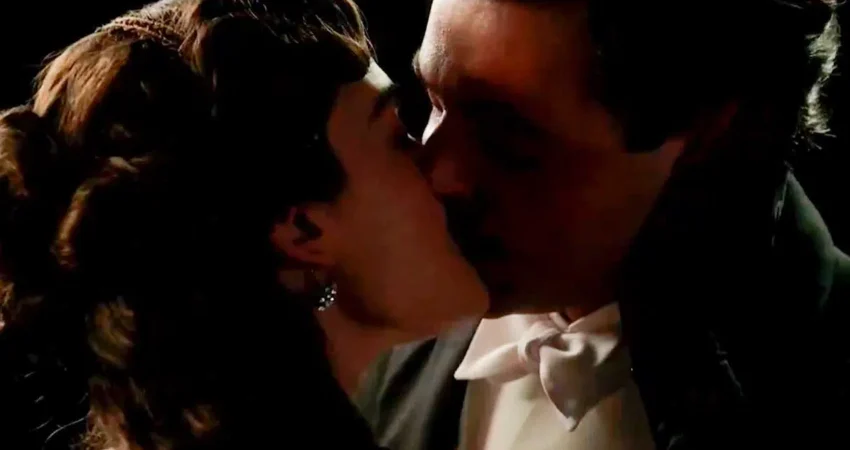
Manuel and Julieta’s clandestine affair reaches a pivotal and perilous juncture in the upcoming Chapter 916 of the popular Spanish period drama, "La Promesa." The preview reveals a bold proposition from Manuel: a secret midnight rendezvous in the hangar, a location fraught with risk given Julieta’s precarious marital situation with Ciro, who remains within the confines of the palace. This daring encounter promises to be their most intimate yet, a culmination of weeks of furtive meetings, simmering anxieties, and the constant threat of discovery.
The decision to meet at the hangar is not made lightly. Julieta’s initial hesitation stems directly from Ciro’s presence and the potential for catastrophic exposure should their secret be unveiled. The narrative thread of Ciro’s continued presence at the palace underscores the pervasive tension and the high stakes involved in any deviation from their carefully constructed facade. This clandestine meeting represents a significant escalation in their relationship, moving beyond mere stolen glances and hushed conversations to a deliberate act of intimacy under the shadow of potential ruin. The choice of venue, the hangar, often associated with freedom and escape in the series’ established lore, becomes a symbol of their yearning for liberation from their restrictive circumstances.
Despite her reservations, Julieta ultimately manages to extricate herself from her husband’s watch, a feat that no doubt required considerable planning and nerve. Her arrival at the hangar signifies a point of no return, a deliberate surrender to the powerful emotions that have been building between her and Manuel. The preview suggests that in this secluded space, far from prying eyes, they will cast aside their accumulated precautions. The impending scene is poised to be an uninhibited expression of their long-suppressed desires, a passionate embrace that will undoubtedly leave an indelible mark on both characters. This intimate moment is not merely a romantic encounter; it is a rebellion against the societal constraints and personal obligations that have kept them apart.
Developing Plotlines and Shifting Alliances
Beyond the central drama of Manuel and Julieta, Chapter 916 also advances several other critical storylines, weaving a complex tapestry of ambition, desperation, and evolving relationships. The impending wedding of Curro and Ángela casts a long shadow, particularly for Máximo, whose desired position remains precarious. Driven by his ambition, Máximo resorts to a desperate plea to Leocadia, reaffirming a previous deal. He pledges to marry her and elevate her to the Duchess of Buenaventura if she can orchestrate Ángela’s acceptance of him as her escort to the altar. This pact highlights the transactional nature of power and influence within the series’ hierarchical society, where personal relationships are often leveraged for strategic gain.
Leocadia, ever the pragmatist, agrees to assist Máximo, but not without making it clear that her cooperation comes at a significant price. Her involvement suggests a keen understanding of the political undercurrents at play and a willingness to exploit them to her advantage. The narrative then pivots to Curro’s conversation with Ángela. The outcome of this discussion proves unexpected, as Ángela, against all prognosticated outcomes, reconsiders her stance and agrees to have Máximo escort her down the aisle. This decision carries significant implications for the wedding’s proceedings and potentially for the power dynamics within the extended family.
Sabotage and Suspicion Cast a Pall Over Wedding Preparations
Adding another layer of complication, the wedding preparations themselves are hit by an unforeseen setback. Ricardo discovers that the wine reserved for the celebration has been sold, ostensibly due to a cancellation notice originating from "La Promesa." This development strongly suggests a deliberate act of sabotage, introducing an element of intrigue and raising questions about who stands to gain from disrupting the festivities. Cristóbal finds himself at a crossroads, torn between immediately informing the señores of the situation or attempting to resolve the issue covertly. Petra, his confidante in this matter, advises a more cautious approach, advocating for finding an alternative solution before escalating the problem.

The gravity of the wine incident is further underscored when Leocadia and Alonso review the banquet details with the service staff. The missing wine becomes a focal point of concern, highlighting the fragility of even well-laid plans in the face of unseen forces. This event serves as a potent reminder of the underlying tensions and rivalries that permeate the estate, where seemingly minor disruptions can have far-reaching consequences. The investigation into the sabotage will likely reveal deeper machinations and potentially expose hidden animosities.
Guilt, Redemption, and Emerging Romance
Meanwhile, Martina grapples with the aftermath of discovering the truth about Jacobo’s situation. Overwhelmed by a profound sense of guilt, she expresses a strong resolve to do whatever is necessary to aid him. This personal crisis for Martina signals a potential shift in her character, moving from a position of relative detachment to one of active engagement and possibly redemption. Her commitment to helping Jacobo could lead to unexpected alliances and further complicate the existing relationships within the household.
In a contrasting but equally significant development, María and Samuel finally cease resisting their burgeoning feelings for each other. In a scene described as particularly romantic, they confess their love and share a kiss that definitively bridges the emotional chasm they had attempted to maintain. This romantic development offers a glimmer of hope and genuine connection amidst the prevailing drama and intrigue, suggesting that even in a world of secrets and betrayals, genuine affection can find a way to blossom.
Contextualizing the Developments
"La Promesa," set in the early 20th century in Andalusia, Spain, masterfully blends elements of historical drama, romance, and mystery. The series is renowned for its intricate plotlines, compelling character development, and the exploration of social class, familial duty, and forbidden love. The events unfolding in Chapter 916 are consistent with the series’ established tone, wherein personal desires frequently clash with societal expectations and the pursuit of power often leads to clandestine maneuvers.
The narrative’s focus on the Luján family and their estate provides a rich backdrop for these unfolding dramas. The estate, "La Promesa," serves not only as a physical setting but also as a microcosm of the era’s social hierarchy and its inherent conflicts. The recurring themes of secrets, lies, and the consequences of ambition are central to the series’ appeal, drawing viewers into a world where every whispered conversation and every stolen glance carries significant weight.
The introduction of sabotage and the complex web of alliances, particularly involving Máximo and Leocadia, suggest a strategic power struggle that extends beyond the immediate romantic entanglements. The wine incident, while seemingly a logistical problem, is likely a symptom of a larger conflict, potentially involving external forces or internal dissent within the estate. The resolution of these various plot threads will undoubtedly shape the future dynamics of "La Promesa," promising further intrigue and emotional depth for its dedicated audience. The series consistently demonstrates an ability to weave together multiple storylines, ensuring that each character’s journey contributes to the overarching narrative and the unfolding mysteries of the Luján family.

0 Comments