
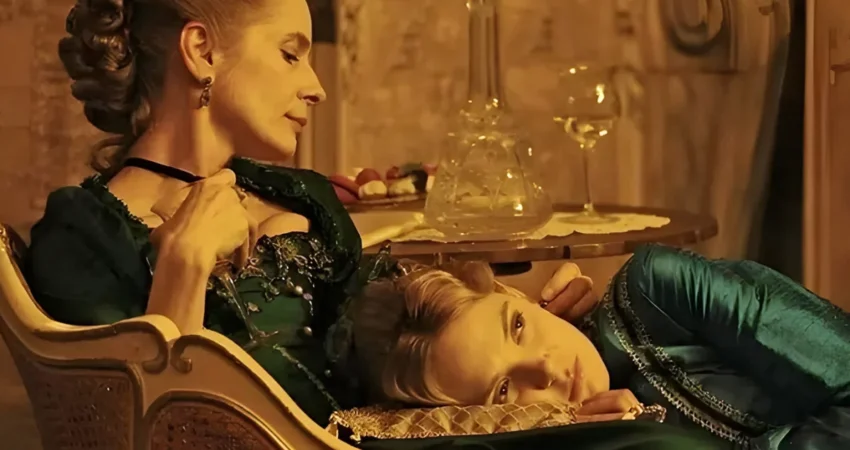
The streaming giant Netflix has once again ignited a cross-cultural debate with its latest period drama, a six-episode miniseries titled The Doll (originally Lalka). Released globally on September 16, the production has achieved significant commercial success, appearing in the top ten charts of 62 countries. However, this international acclaim stands in stark contrast to the reception in its home country, Poland. The series, an adaptation of the 1890 novel by Bolesław Prus, has drawn sharp criticism from literary purists and historians who argue that the platform’s "21st-century lens" has fundamentally altered a cornerstone of Polish national identity. By condensing a 700-page masterpiece into six hours of television and infusing it with modern sociopolitical sensibilities, Netflix has created a product that thrives as a "Bridgerton-style" romance while alienating the audience most familiar with the source material’s philosophical depth.
The Cultural Weight of Bolesław Prus’s Masterpiece
To understand the intensity of the backlash in Poland, one must recognize the status of Lalka in the Polish literary canon. Published in book form in 1890 after being serialized in the Daily Courier, the novel is considered the greatest achievement of Polish Realism. It is a mandatory text in the Polish national curriculum, studied by every student for its intricate portrayal of "Positivism"—a 19th-century movement that advocated for organic work, scientific progress, and social pragmatism over the doomed romanticism of previous generations.
The original narrative follows Stanisław Wokulski, a complex protagonist who represents the transition from a soldier and romantic to a self-made millionaire merchant. His tragic flaw is his obsessive love for Izabela Łęcka, a beautiful but impoverished aristocrat who views Wokulski with disdain due to his "trade" origins. Through their relationship, Prus meticulously dissected the decay of the Polish aristocracy and the struggles of the nascent middle class in 19th-century Warsaw. For generations of Polish readers, Wokulski is not merely a romantic lead but a symbol of national struggle and intellectual evolution.
A Narrative Redesign for the Streaming Era
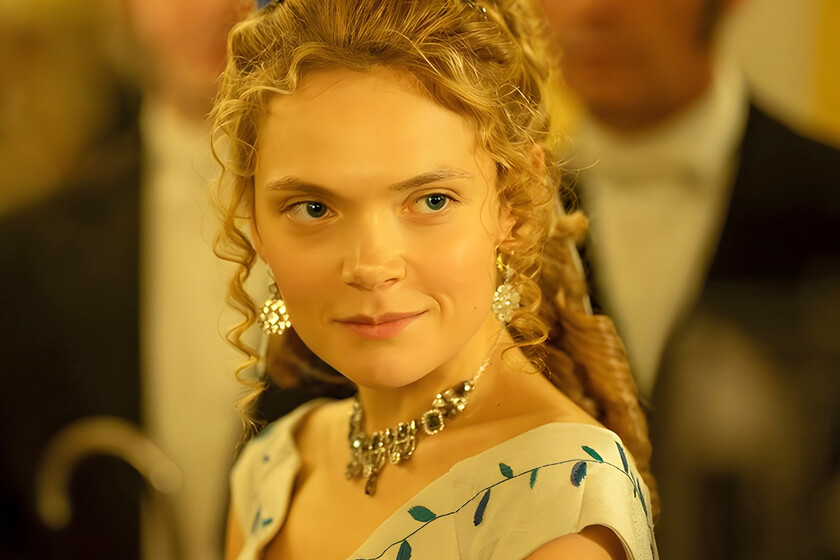
The Netflix adaptation, while maintaining the 19th-century setting, departs significantly from the somber, analytical tone of the novel. The most notable change lies in the characterization of the leads and the thematic focus of their conflict. In the original text, Izabela Łęcka is often portrayed as a product of her sheltered, elitist upbringing—a woman trapped by the conventions of her class but ultimately unable to reciprocate Wokulski’s intense, almost pathological devotion.
In the 2024 miniseries, Izabela is reimagined as a proactive, modern-thinking woman with aspirations of becoming a writer. This shift aligns the character with contemporary "strong female lead" archetypes prevalent in Western media. Conversely, Wokulski’s character has been recalibrated. Rather than the tragic, multifaceted figure of the book, the series presents a man whose pursuit of Izabela is framed through the lens of toxic masculinity and a desire for social control.
Critics in Warsaw argue that by modernizing these dynamics, Netflix has stripped the story of its historical specificity. The "Positivist" ideals that Wokulski represents—his interest in science, his philanthropy, and his attempt to modernize the Polish economy—are sidelined in favor of heightened interpersonal drama and lavish social gatherings. This transformation has led many to label the series as "Bridgerton in Warsaw," a comparison that implies a preference for aesthetic appeal over intellectual rigor.
Global Success and Statistical Performance
Despite the domestic controversy, the data suggests that Netflix’s strategy of "globalizing" local stories is working. According to viewership metrics provided by TVP World and independent streaming trackers, The Doll reached the Top 10 in 62 different markets within its first two weeks of release. This includes high performance in Latin America, Western Europe, and parts of Asia.

The success is attributed to several factors:
- The "Period Drama" Boom: Following the success of series like The Crown, Bridgerton, and The Gilded Age, there is a consistent global appetite for high-budget costume dramas involving class conflict and forbidden romance.
- Production Value: The series features high-end cinematography, meticulously recreated 19th-century Warsaw sets, and a musical score that appeals to international sensibilities.
- Pacing: By condensing the 700-page novel into six episodes, the production maintains a brisk pace that suits the "binge-watching" habits of modern subscribers, even if it sacrifices the slow-burn character development of the original text.
Chronology of the Adaptation and Release
The journey of The Doll from a literary classic to a global streaming hit followed a deliberate timeline:
- 1887–1889: Bolesław Prus serializes Lalka in the Polish press, capturing the social anxieties of a nation under partition.
- 1890: The first complete edition of the novel is published.
- 1968 & 1977: Previous Polish adaptations (a film by Wojciech Has and a highly regarded TV series by Ryszard Ber) establish the visual and tonal expectations for the story in Poland.
- 2023: Netflix announces a new, "fresh" take on the classic as part of its investment in Polish original content.
- September 16, 2024: The series premieres globally.
- September 20–30, 2024: The series enters the Top 10 in over 60 countries, while Polish social media and literary journals erupt in debate over the "Netflix-ication" of the story.
Official Reactions and Expert Analysis
The reaction from the Polish academic community has been particularly vocal. Dr. Anna Mazur, a specialist in 19th-century literature, noted in a recent symposium that "Netflix’s The Doll is a well-made television product, but it is not Prus’s Lalka. It uses the names and the costumes to tell a story that belongs to the 21st century. The tragedy of the original was the tragedy of a nation that could not modernize; the tragedy of the series is simply a difficult relationship."
Conversely, some media analysts defend the adaptation. They argue that for a classic to survive in the digital age, it must be "translated" for a generation that does not share the same cultural touchstones as 19th-century readers. By introducing Izabela and Wokulski to millions of viewers in Brazil, Mexico, and France, Netflix is arguably keeping the memory of Prus alive, even if the details have been altered.
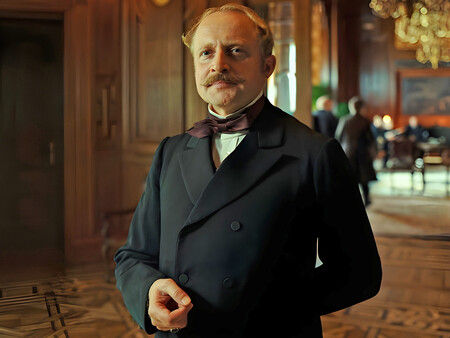
A spokesperson for the production team addressed the changes in a promotional interview, stating, "Our goal was to find the universal heart of the story. Class inequality, the struggle for personal autonomy, and the weight of social expectations are themes that resonate as much today as they did in 1890. We wanted to make Izabela a character that a modern audience could understand and empathize with."
Broader Implications for International Media
The controversy surrounding The Doll highlights a growing tension in the streaming industry: the balance between local authenticity and global marketability. As Netflix, Amazon, and Disney+ invest heavily in non-English language content, they often face the "adaptation dilemma." To recoup high production costs, these platforms need their shows to appeal to a worldwide audience, which often leads to the smoothing over of cultural nuances that might be perceived as too "niche" or "difficult" for outsiders.
In the case of The Doll, the "anachronistic" approach—where modern values are projected onto historical settings—is a proven commercial formula. However, it raises questions about cultural preservation. When a global platform becomes the primary medium through which the world experiences a nation’s "sacred" literature, the platform holds significant power to redefine that culture’s history for the masses.
For viewers who enjoy the aesthetic and emotional beats of series like Bridgerton, The Doll offers a compelling, visually stunning journey into a lesser-known chapter of European history. For those seeking the philosophical depth and the biting social critique of Bolesław Prus, the original text remains the indispensable source.

As the series continues to trend globally, it serves as a case study in the evolution of storytelling. Whether it is viewed as a "betrayal" of a classic or a "bold reimagining," The Doll has succeeded in one undeniable aspect: it has brought a 130-year-old Polish story into the center of the global cultural conversation, proving that the themes of class, wealth, and desire remain as volatile and engaging as ever.

0 Comments