
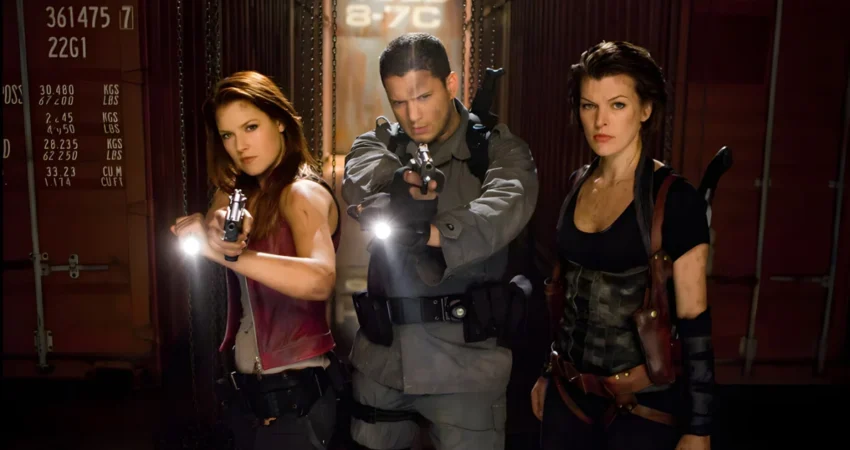
The cinematic legacy of the Resident Evil franchise, specifically the six-film hexalogy directed by Paul W. Anderson and starring Milla Jovovich, has undergone a significant critical and cultural transformation in recent years. While the series was frequently dismissed by film critics and purist fans of the Capcom video games during its initial theatrical run from 2002 to 2016, the contemporary perspective has shifted toward a more favorable revaluation. This phenomenon is driven by the relative failure of more recent, "faithful" adaptations and the enduring appeal of the specific stylized action-horror aesthetic established by Anderson. As of 2026, the entire saga has found a renewed audience through major streaming platforms, with five of the films currently hosted on Max (formerly HBO Max) and one installment available on Netflix, allowing a new generation of viewers to explore the $1.2 billion franchise.
The Evolution of a Genre Pioneer: The 2002 Foundation
To understand the current standing of the Resident Evil films, one must look back to the early 2000s, an era when video game adaptations were largely considered a "cursed" genre. Following the commercial and critical disappointments of films like Super Mario Bros. (1993) and Street Fighter (1994), Paul W. Anderson—who had already found success with the 1995 adaptation of Mortal Kombat—approached the Resident Evil intellectual property with a distinct vision. Rather than recreating the claustrophobic, survival-horror narrative of the 1996 PlayStation game, Anderson introduced the character of Alice, played by Milla Jovovich.
This decision was initially controversial. Fans of the source material lamented the exclusion of game protagonists like Jill Valentine and Chris Redfield from the primary spotlight. However, in retrospect, the creation of Alice allowed the films to function as a parallel universe, granting the filmmakers the creative freedom to experiment with high-octane action sequences that would have been restricted by the slow-paced mechanics of the early games. The 2002 debut film, produced on a modest budget of $33 million, earned over $100 million worldwide, proving that there was a massive global appetite for the brand, even if the narrative diverged from the source.

A Financial Powerhouse: Breaking Down the $1.2 Billion Success
The commercial resilience of the Resident Evil franchise is a matter of historical record. Over the course of fifteen years, the six films collectively grossed over $1.2 billion at the global box office, making it one of the most successful horror franchises and the most successful video game film series of its time. The financial trajectory of the series is particularly notable for its international appeal, often performing significantly better in overseas markets than in the United States.
- Resident Evil (2002): $103 million
- Resident Evil: Apocalypse (2004): $129 million
- Resident Evil: Extinction (2007): $147 million
- Resident Evil: Afterlife (2010): $300 million
- Resident Evil: Retribution (2012): $240 million
- Resident Evil: The Final Chapter (2016): $312 million
The peak of the franchise’s commercial success occurred with Resident Evil: Afterlife in 2010. Capitalizing on the 3D cinema boom ignited by James Cameron’s Avatar, Anderson utilized advanced 3D camera systems to enhance the film’s visual depth. This technological investment paid off, as Afterlife tripled the box office take of its predecessor. The final installment, The Final Chapter, solidified the franchise’s legacy by becoming a massive hit in China, where it earned over $160 million in that market alone. This financial data underscores the fact that while critics remained skeptical—none of the films achieved higher than a 39% approval rating on Rotten Tomatoes—the "popcorn" appeal of the series remained undisputed by the ticket-buying public.
The Milla Jovovich Era: A Chronology of Action and Adaptation
The narrative arc of the six films represents a gradual escalation from underground corporate horror to a full-scale global apocalypse. Resident Evil (2002) confined the action to "The Hive," a subterranean laboratory owned by the Umbrella Corporation. The sequel, Apocalypse (2004), moved the T-virus outbreak to the streets of Raccoon City, introducing game-accurate characters like Jill Valentine and the iconic Nemesis creature.
By the third film, Extinction (2007), the series took a bold turn into post-apocalyptic territory, drawing visual inspiration from the Mad Max series. This was followed by Afterlife, Retribution, and The Final Chapter, which leaned heavily into high-concept science fiction, cloning subplots, and increasingly complex stunt work. Throughout this progression, Milla Jovovich’s portrayal of Alice became a cornerstone of the action genre. Her commitment to performing many of her own stunts and her background in fashion contributed to a "3D aesthetic" and a stylized visual language that critics now recognize as a precursor to the hyper-stylized action seen in modern hits like the John Wick series.

Critical Disconnect and the Rise of Cult Status
The current revaluation of the Anderson-Jovovich era is largely a reaction to the perceived failures of subsequent attempts to reboot the franchise. In 2021, Sony Pictures released Resident Evil: Welcome to Raccoon City, a film that promised to be a faithful adaptation of the first two games. Despite including more lore-accurate details, the film was criticized for its low production values and lack of a cohesive tone. Similarly, the 2022 Netflix live-action series was met with widespread derision and was canceled after a single season.
In comparison, the original six films are now viewed by many as "honest" entertainment. They did not pretend to be high art, nor did they get bogged down in the minutiae of game lore at the expense of pacing. Industry analysts suggest that the "Paul W. Anderson style"—characterized by symmetrical framing, heavy electronic soundtracks, and a focus on kinetic movement—has aged better than the muddy, dark visuals of more recent horror entries. The films are now celebrated for their "fanservice," which, while often superficial, successfully translated the "cool factor" of the games’ creature designs to the big screen.
Comparative Analysis: The Impact of Zach Cregger and New Directions
As the franchise moves forward, the success of the most recent production directed by Zach Cregger has once again shifted the spotlight back to the series’ history. Cregger, known for the horror hit Barbarian, has brought a fresh directorial perspective that balances tension with modern cinematic sensibilities. This new wave of Resident Evil content has prompted audiences to revisit the earlier films to trace the evolution of the T-virus on screen.
The current distribution of the films across streaming platforms reflects a complex web of licensing agreements. In the current market, Max holds the rights to five of the six original films, positioning itself as the primary destination for fans of the saga. Netflix, meanwhile, retains one installment, a split that highlights the ongoing competition for high-value intellectual property in the streaming wars. For subscribers, this availability offers a cost-effective way to marathon the series, contributing to its high "watch time" metrics and social media presence in 2026.
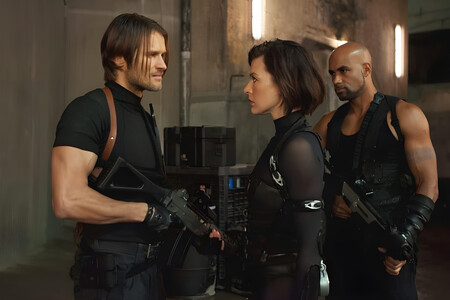
Technical Artistry and the Paul W. Anderson Aesthetic
From a technical standpoint, the Resident Evil films were often at the forefront of digital cinematography. Anderson’s collaboration with visual effects houses and his early adoption of digital workflows allowed for a level of visual consistency that is rare in long-running franchises. The use of slow-motion, "bullet time" effects, and practical stunt work gave the films a tactile quality that distinguished them from the CGI-heavy blockbusters of the late 2010s.
Furthermore, the films’ soundtracks, featuring contributions from artists like Marilyn Manson, Slipknot, and tomandandy, helped define the industrial, aggressive tone of the early 2000s action-horror genre. This synergy between visuals and sound created a "vibe" that many viewers now find nostalgic. The re-evaluation of these films suggests that cinematic value is not always found in narrative complexity, but sometimes in the successful execution of a specific, unapologetic style.
Broader Impact and Implications for Video Game Adaptations
The legacy of the Resident Evil saga extends beyond its own box office numbers. It proved that a video game franchise could sustain a multi-film narrative over more than a decade, a feat that few other properties have matched. Its success paved the way for other adaptations, such as Silent Hill and the recent surge in high-quality video game content like HBO’s The Last of Us and Amazon’s Fallout.
However, Resident Evil remains unique because it did not try to replicate the prestige of television drama. It remained firmly rooted in the "B-movie" tradition, albeit with an "A-list" budget and production value. This middle ground is what has allowed it to endure in the public consciousness. As viewers in 2026 look back at the 2000s and 2010s, the Resident Evil hexalogy stands as a definitive example of a specific era of filmmaking—one that prioritized spectacle, charisma, and relentless energy over adherence to source material.

Conclusion: The Enduring Charm of the Umbrella Corporation
In conclusion, the Resident Evil films starring Milla Jovovich have transitioned from being the target of critical derision to being recognized as essential "guilty pleasure" viewing and significant artifacts of action cinema. The $1.2 billion in box office revenue was not a fluke, but a testament to the franchise’s ability to tap into a global desire for stylized, high-stakes horror. With the films now readily available on Max and Netflix, the saga of Alice and her battle against the Umbrella Corporation continues to thrive. Whether viewed as a nostalgic trip to the early 2000s or as a masterclass in popcorn cinema, the Resident Evil films have, against all odds, given the fans and the critics a reason to return to the Hive once more. The 2026 landscape for the franchise is one of revaluation, where the "ridiculous" elements of the past are now embraced as the very source of its enduring charm.

0 Comments