
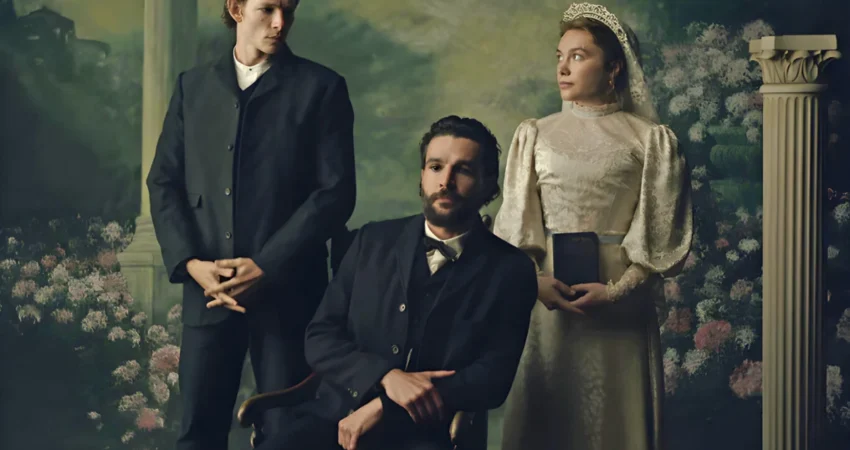
Netflix has solidified its position as a dominant force in the prestige television landscape with the release of East of Eden, a seven-episode limited series that has rapidly ascended to the top of global streaming charts. Based on John Steinbeck’s seminal 1952 novel, the production marks a significant intersection of literary heritage and modern star power, featuring Academy Award nominee Florence Pugh in a transformative lead role. Since its debut on October 1, the series has not only captured a massive audience but has also reignited critical discourse surrounding the adaptation of Great American Novels for the digital age. The project represents a sophisticated effort by Netflix to leverage high-value intellectual property and A-list talent to maintain its competitive edge in an increasingly saturated streaming market.
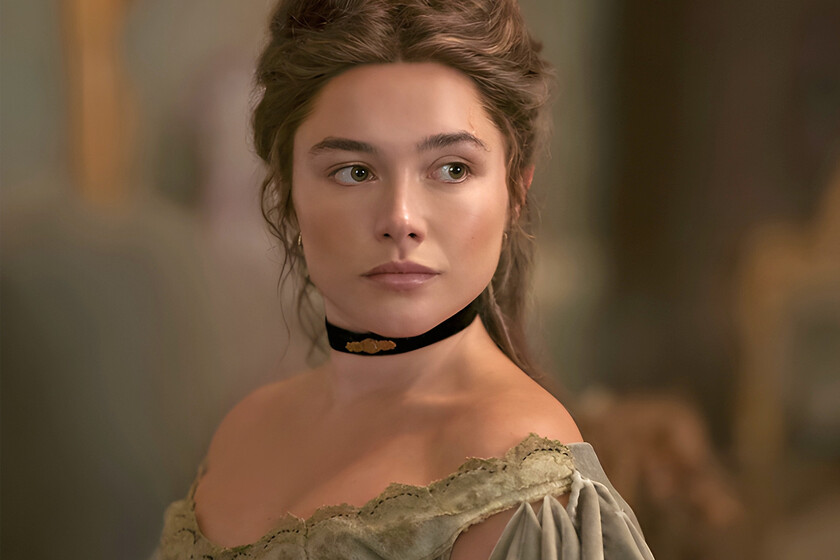
The narrative of East of Eden is a sprawling multigenerational saga that explores the profound complexities of the human condition through the lens of the Trask and Hamilton families. Set primarily in California’s Salinas Valley during the early 20th century, the story functions as a modern allegory for the Book of Genesis, specifically the tale of Cain and Abel. At the center of this adaptation is Cathy Ames, portrayed by Florence Pugh, a character Steinbeck famously described as a "malformed soul." The series delves into the psychological underpinnings of Cathy’s manipulative nature and the devastating impact she has on the Trask brothers, Adam and Charles. By focusing on themes of inherited trauma, the duality of good and evil, and the concept of free will—encapsulated in the Hebrew word timshel—the series provides a visceral exploration of moral ambiguity that transcends its period setting.
The Evolution of a Literary Masterpiece: From Page to Screen
John Steinbeck considered East of Eden to be his magnum opus, a work into which he poured everything he knew about the craft of writing and the nature of humanity. The novel’s enduring relevance stems from its unflinching look at the darkness within the family unit and the possibility of redemption. This Netflix adaptation is not the first time the story has graced the screen; most notably, the 1955 film directed by Elia Kazan launched James Dean to superstardom. However, that film focused primarily on the latter half of the novel, focusing on the second generation of Trask brothers. The new seven-episode format allows for a more comprehensive exploration of the source material, including the backstory of the elder Trasks and the full, chilling arc of Cathy Ames, which was significantly sanitized in previous eras of cinema due to the Hays Code.
The development of the series was a meticulous process that began several years ago when Netflix secured the rights in a competitive bidding environment. The production was spearheaded by Anonymous Content and Endeavor Content, firms known for their commitment to high-end, auteur-driven television. By choosing to present the story as a limited series rather than a feature film, the creators were able to preserve the novel’s episodic structure and dense thematic layering. This format has proven particularly successful for Netflix in the past, with series like The Queen’s Gambit and Alias Grace demonstrating that audiences have a high appetite for closed-ended, novelistic storytelling.
The Kazan Connection: A Legacy Continued
One of the most compelling aspects of the production is the involvement of Zoe Kazan as the primary writer and executive producer. Zoe Kazan, an accomplished actress and screenwriter in her own right (known for Ruby Sparks and Wildlife), is the granddaughter of Elia Kazan, the director of the 1955 film adaptation. This familial connection adds a layer of historical symmetry to the project, as Zoe Kazan sought to reclaim the narrative through a more contemporary, perhaps more female-centric, lens. While her grandfather’s film is considered a classic, it was limited by the social and cinematic constraints of the 1950s. Zoe Kazan’s script reportedly leans further into the psychological complexity of the female characters, particularly Cathy Ames, moving beyond the "femme fatale" trope to examine the societal and personal pressures that shape her villainy.

Industry analysts have noted that Zoe Kazan’s approach honors the spirit of the original text while making it accessible to a modern audience. The dialogue maintains a literary quality without feeling archaic, and the pacing is designed to mirror the slow-burn tension of Steinbeck’s prose. The collaboration between Kazan and Pugh has been cited as a primary driver of the show’s success, with Kazan providing the narrative depth and Pugh delivering the raw, magnetic performance required to anchor such a heavy drama.
Performance and Casting: The Florence Pugh Effect
Florence Pugh’s portrayal of Cathy Ames has been hailed as a career-defining performance. Known for her ability to inhabit complex, often polarizing characters in films like Midsommar and Lady Macbeth, Pugh brings a terrifying stillness to the role of Cathy. Critics have pointed out that her performance avoids the traps of melodrama, instead opting for a calculated, chilling realism that makes the character’s betrayals feel all the more personal. The casting of Pugh was a strategic masterstroke for Netflix, as the actress currently commands a massive global following across multiple demographics, from Marvel fans to devotees of independent cinema.
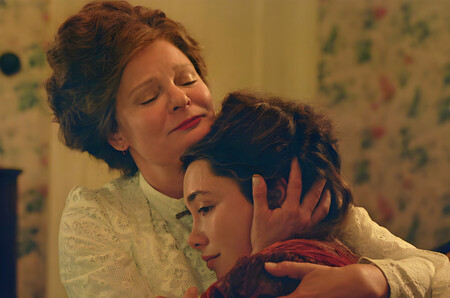
The supporting cast also provides a robust foundation for the series. The rivalry between the Trask brothers—Adam, the idealistic and often naive veteran, and Charles, the volatile and resentful brother—is depicted with a palpable intensity. The chemistry between the leads is essential for a story that relies so heavily on the friction of family secrets and the weight of unexpressed guilt. By investing in high-caliber acting across the board, the production ensures that the intimate domestic scenes carry as much weight as the sweeping landscape shots of the California coast.
Streaming Data and Global Impact
The commercial success of East of Eden has been immediate and widespread. According to data from Flixpatrol, the series achieved the number one ranking on Netflix’s most-watched list in over 40 countries within the first 48 hours of its release. Furthermore, it maintained a top-three position in 38 additional nations, indicating a broad cross-cultural appeal. This level of engagement is particularly notable for a period drama based on a mid-century American novel, suggesting that the themes of family conflict and moral struggle are universal.
On review aggregator platforms, the series has maintained a strong standing. It currently holds an 86% approval rating on Rotten Tomatoes, with critics praising its production design, cinematography, and faithfulness to Steinbeck’s vision. Audience scores have been similarly high, reflecting a positive reception to the show’s "binge-able" nature despite its heavy subject matter. For Netflix, these metrics validate the strategy of investing in "prestige" adaptations that can attract both critical acclaim and high viewership numbers, which are essential for subscriber retention.
Chronology of the Production
The journey of East of Eden to the screen was a multi-year endeavor:

- Early 2022: Netflix officially announces the development of a limited series based on the novel, with Zoe Kazan attached to write.
- Mid 2022: Florence Pugh is confirmed for the lead role of Cathy Ames, generating significant industry buzz.
- 2023: Principal photography takes place across various locations, with a focus on capturing the authentic aesthetic of early 20th-century California. The production faced challenges typical of period pieces, including the sourcing of era-appropriate props and the management of large-scale outdoor sets.
- Early 2024: The post-production phase involves a meticulous editing process and the composition of an original score designed to underscore the show’s atmospheric tension.
- October 1, 2024: The series premieres globally on Netflix, immediately entering the top charts in major markets including the United States, United Kingdom, Mexico, and Brazil.
Broader Implications for the Streaming Industry
The success of East of Eden underscores several emerging trends in the entertainment industry. First, it highlights the continued viability of the "limited series" as a prestigious alternative to the traditional multi-season television show. This format allows creators to tell a complete story without the risk of narrative dilution, making it more attractive to high-profile actors who may be reluctant to commit to long-term television contracts.
Second, the series demonstrates the power of "literary branding." In an era of "content fatigue," established titles like East of Eden provide a level of built-in recognition that helps new releases stand out in a crowded digital library. Netflix’s ability to pair these classic stories with modern stars like Florence Pugh creates a synergy that appeals to both older audiences familiar with the source material and younger viewers drawn to the lead actors.
Finally, the project serves as a testament to the evolving nature of adaptations. By allowing Zoe Kazan to reinterpret her grandfather’s legacy, Netflix has facilitated a dialogue between different eras of storytelling. The result is a production that feels both timeless and timely, addressing the cyclical nature of human error and the enduring hope for individual agency. As East of Eden continues to perform well, it is likely that streaming platforms will further increase their investments in high-budget, sophisticated adaptations of literary classics, seeking to replicate the "prestige" formula that has served this series so well.

0 Comments