
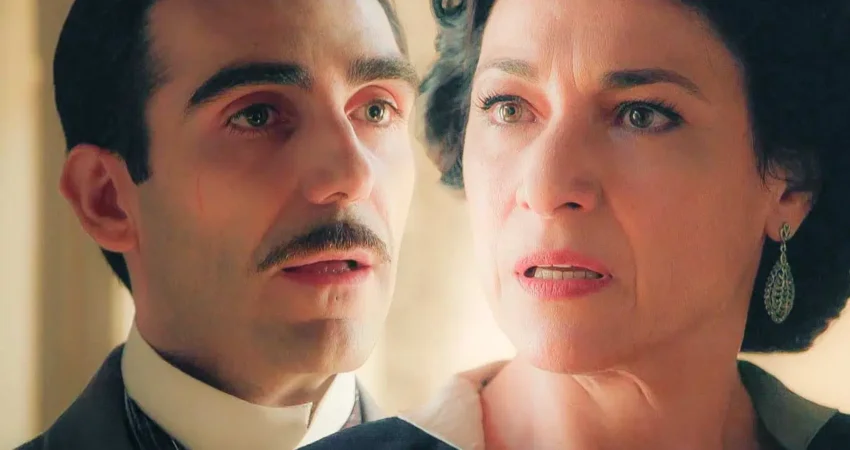
Leocadia’s simmering animosity towards Curro and Ángela remains a potent undercurrent in the latest developments of "La Promesa," as the chapter preview for episode 936 reveals her unwavering resolve for retribution. This unresolved tension, stemming from past confrontations and the fallout of a significant wedding, underscores that the emotional scars from Lisbon and its aftermath are far from healed. Simultaneously, Lorenzo successfully navigates Ciro’s anxieties, convincing him to press forward with their fraudulent schemes, despite the increasing peril of discovery.
The narrative threads of "La Promesa" continue to weave a complex tapestry of personal vendettas, familial obligations, and clandestine operations. Chapter 936 delves into these interwoven plotlines, offering a glimpse into the strategic maneuvers and emotional turmoil that define the lives of the residents at La Promesa. The episode is poised to escalate existing conflicts and introduce new challenges, particularly concerning the search for Pía and the precarious stability of Lorenzo and Ciro’s illicit enterprise.
Leocadia’s Unyielding Vow for Vengeance
Leocadia, a character increasingly characterized by her accumulated grievances, makes her intentions unequivocally clear in the upcoming chapter. Despite her outward attempts to maintain composure, she harbors a deep-seated desire for revenge against Curro and Ángela. This sentiment is not a fleeting thought but a firmly held conviction, articulated as a promise that she will not hesitate to act should an opportune moment arise. This declaration serves as a stark reminder that the animosity generated by recent events, including a disruptive wedding and the chaotic aftermath in Lisbon, continues to fuel Leocadia’s strategic thinking and emotional landscape.
The historical context of Leocadia’s animosity can be traced back to a series of escalating conflicts within the Luján family and their household. Her past actions and motivations have often been driven by a perceived sense of injustice and a desire to protect her interests, which frequently place her at odds with other key characters. The specific incident involving Curro and Ángela, likely tied to the aforementioned wedding and the events in Lisbon, has evidently cemented their status as targets for Leocadia’s retribution. This unresolved conflict is a significant driver of narrative tension, suggesting that their past actions have had lasting repercussions, creating a volatile environment where past grievances can resurface with potent force. The anticipation of Leocadia’s potential actions adds a layer of suspense, as viewers are left to ponder the nature of her planned retaliation and its potential consequences for Curro and Ángela, as well as the wider household.
The Search for Pía Intensifies Amidst Shifting Alliances
In parallel to Leocadia’s simmering rage, the urgent search for Pía remains a paramount concern for Manuel and Curro. Their shared objective is to locate Pía, a mission intrinsically linked to their broader agenda, which appears to be a concerted effort to undermine Leocadia. Curro’s strategy involves closely observing Beni, with the hopeful expectation that his actions will eventually lead them to Pía’s whereabouts. Manuel, demonstrating his commitment to this cause, has offered his assistance to Curro, signifying a strengthening of their alliance in this critical endeavor.
The urgency of finding Pía is underscored by the fact that her discovery is essential for Manuel and Curro to advance their plan against Leocadia. The lack of clear information regarding her current location presents a significant obstacle, leaving them in a state of uncertainty and strategic stasis. This prolonged absence suggests that Pía may be deliberately concealed or is facing circumstances that prevent her from communicating her location. The implications of Pía’s return could be far-reaching, potentially impacting Leocadia’s schemes and revealing crucial information that could alter the power dynamics within La Promesa. The narrative’s focus on this search highlights its importance in the overarching plot, suggesting that Pía holds a key piece of the puzzle in the unfolding drama.
Lorenzo Consolidates Control Over Ciro’s Deceptive Ventures
On a separate but equally critical front, Lorenzo continues to assert his dominance over Ciro. Ciro, plagued by a pervasive fear of Manuel uncovering their fraudulent activities, finds himself under increasing pressure. However, Captain Lorenzo skillfully assuages Ciro’s apprehensions, presenting a logical argument that any attempt to retreat now would only amplify suspicions. This persuasive tactic effectively dissuades Ciro from abandoning their enterprise, despite the escalating risks associated with each subsequent move.
The background of Lorenzo and Ciro’s operation points to a history of clandestine dealings, likely involving financial improprieties and deceptive practices. Lorenzo, a character known for his manipulative nature and strategic acumen, appears to be the architect and primary orchestrator of these schemes. Ciro, perhaps less experienced or more morally conflicted, serves as a subordinate, increasingly drawn into Lorenzo’s web of deceit. The narrative of their partnership is one of escalating stakes, where continued involvement, while seemingly unavoidable, brings them closer to exposure. The analysis of their situation suggests that Lorenzo’s leadership is crucial for the continuation of their illicit activities, and his ability to manage Ciro’s anxieties is a key factor in their sustained operation. The potential consequences of their exposure are significant, likely involving legal repercussions and severe damage to their reputations.
Julieta’s Unanswered Questions and Manuel’s Emotional Distance
Julieta attempts to engage Manuel in a discussion concerning an irregular payment related to the manuals. However, Manuel sidesteps the conversation, a behavior consistent with the emotional distance he has requested to gain clarity on his feelings. This interaction highlights the ongoing strain in their relationship, exacerbated by Manuel’s internal conflict and his need for personal reflection. The broader context of Manuel’s emotional state may be linked to past romantic entanglements and his ongoing efforts to navigate complex relationships.
The insistence on maintaining distance suggests that Manuel is grappling with significant emotional turmoil, potentially related to his romantic interests or other personal challenges. Julieta’s persistence, on the other hand, indicates her desire for transparency and resolution, but Manuel’s avoidance creates a barrier to open communication. The implications of this dynamic are that their relationship remains in a state of flux, with the resolution of Manuel’s internal conflicts being a prerequisite for any progress in their interactions.
Tomasa Fuels the Simona-Candela Feud
Within the confines of the kitchens, Tomasa continues to exacerbate the existing animosity between Simona and Candela. By selectively validating each woman’s perspective and encouraging them to remain steadfast in their convictions, Tomasa actively deepens the rift between them. This deliberate instigation is creating a schism that appears increasingly difficult to bridge, suggesting a prolonged period of conflict within the domestic staff.

The underlying cause of the Simona and Candela feud, though not explicitly detailed in this segment, likely stems from professional disagreements, personal slights, or a combination of both. Tomasa’s role as a provocateur suggests a deliberate attempt to sow discord, possibly for her own amusement or to serve a larger agenda. The impact of this fractured relationship among the kitchen staff could affect the smooth functioning of the household, potentially leading to further complications and disruptions. The analysis here points to Tomasa as a key figure in maintaining and escalating this domestic conflict, highlighting the subtle yet powerful influence she wields.
Ricardo and Cristóbal’s Displeasure and Teresa’s Neutrality
Ricardo and Cristóbal openly express their dissatisfaction regarding Julio’s apparent immunity from repercussions following the sabotage of the wedding. Their frustration is palpable, indicating a belief that justice has not been served. Teresa, privy to their discontent, chooses to remain a passive observer, refraining from intervening in their grievances.
The sabotage of the wedding represents a significant past event that has generated considerable fallout. Ricardo and Cristóbal’s anger suggests they perceive Julio as having escaped accountability for his actions, perhaps due to a lack of evidence, a lenient judgment, or a conspiracy of silence. Teresa’s neutrality, while perhaps pragmatic, also indicates a reluctance to engage in the escalating conflict or a tacit acceptance of the current state of affairs. The broader impact of this unresolved issue could contribute to lingering resentments and a perception of unfairness within the household.
Casilda’s Scrutiny and Martina’s Dilemma
Casilda continues to exert pressure on Martina, explicitly stating her disapproval of Martina’s suitability for her son. This disapproval intensifies when Casilda interrupts a heated discussion between Martina, Adriano, and Jacobo. Jacobo, in an attempt to persuade his father, proposes a strategic revelation: informing him that Martina is pregnant. This suggestion is presented as a potential leverage point to secure his father’s approval for the marriage.
The situation surrounding Martina’s marital prospects is clearly complex, involving familial pressures, personal desires, and potential deception. Jacobo’s proposal of using a pregnancy as a means to an end raises ethical questions and highlights the desperate measures being considered. The timeline of these events suggests a rapid escalation of pressure on Martina, forcing her to confront difficult choices. The analysis of this subplot indicates a confluence of competing interests, with Jacobo prioritizing marriage, Adriano opposing forced unions, and Casilda championing her son’s interests, all while Martina navigates her own agency.
Martina’s Contemplation and Adriano’s Opposition
Martina begins to consider Jacobo’s proposal just as Adriano arrives, reiterating his firm opposition to any decision that compels her into marriage under duress. Adriano’s stance represents a protective and principled position, contrasting sharply with the manipulative tactics being employed by others. His consistent opposition suggests a deep commitment to Martina’s well-being and autonomy.
The arrival of Adriano introduces a critical counterpoint to Jacobo’s strategy. His unwavering stance against forced marriage underscores the differing values and motivations at play. The potential impact of this conflict could lead to further confrontations and difficult decisions for Martina, who finds herself caught between competing pressures.
Casilda’s Intervention and Martina’s Assertion of Independence
Casilda attempts to engage Martina, but the young woman firmly draws a line when Casilda once again critiques her personality. Martina makes it unequivocally clear that she will not permit anyone to dictate her life choices, asserting her independence and right to self-determination. This decisive act signifies a turning point for Martina, as she begins to push back against the external pressures and judgments she has been subjected to.
Martina’s bold assertion of her autonomy is a crucial development in her character arc. It suggests a growing strength and a refusal to be controlled by the opinions or desires of others, including Casilda. This shift in her demeanor could have significant implications for the future relationships and decisions she makes. The analysis of this interaction highlights Martina’s burgeoning independence and her capacity to stand up for herself against familial and societal expectations.
Leocadia’s Surprise Reaction to Ángela’s Integrity
Máximo informs Leocadia that Ángela has refused the offer to take possession of her palace. Leocadia’s reaction to this news is unexpected; she expresses pride in her daughter’s integrity. This moment offers a glimpse into a different facet of Leocadia’s character, revealing a maternal pride that transcends her own often morally ambiguous actions. It suggests that despite her personal vendettas and schemes, she values certain qualities in her daughter.
The refusal of the palace signifies a rejection of material gain and potentially a principled stance by Ángela. Leocadia’s pride in this act, while perhaps surprising given her own character, could indicate a complex maternal bond and a recognition of her daughter’s moral compass. This interaction adds a layer of depth to Leocadia, suggesting that her motivations and values are not entirely monolithic and that she possesses a capacity for genuine maternal sentiment. The broader implication is that Ángela’s character may be more influential than initially perceived, even impacting her mother’s perspective.
The upcoming chapter of "La Promesa" promises a compelling continuation of its intricate narrative, with Leocadia’s simmering vengeance, Lorenzo’s strategic deception, the critical search for Pía, and the personal dilemmas faced by characters like Martina and Manuel all set to unfold, ensuring continued engagement for its devoted audience. The episode’s rich plot development suggests a steady escalation of conflicts and a deepening exploration of character motivations, keeping viewers on the edge of their seats.

0 Comments