
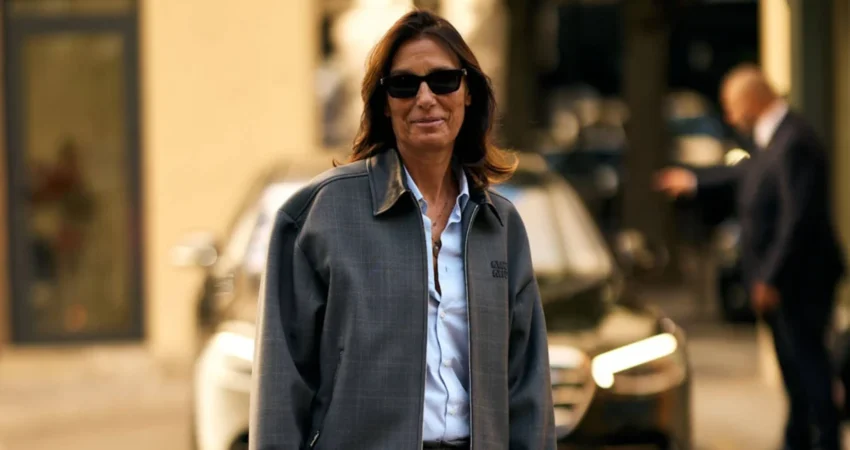
The contemporary fashion landscape is currently witnessing a significant shift in the perception of knitwear, a category once relegated to casual loungewear but now positioned as a cornerstone of sophisticated autumnal wardrobes. For years, a persistent myth has circulated within style circles suggesting that knit dresses are inherently difficult to wear, often criticized for being overly clingy or unforgiving to the natural variations of the human form. However, the latest releases from global retail giant Zara are actively dismantling these preconceptions through the application of advanced tailoring techniques and strategic design choices that prioritize silhouette enhancement. By focusing on specific pattern-making elements—such as high-seated belts, fluid skirt volumes, and structured necklines—the brand has successfully curated a selection of garments that cater specifically to a demographic seeking both comfort and a refined aesthetic, particularly women over the age of 45 who prioritize "elevated basics" in their seasonal rotations.

The Evolution of Knitwear: From Utility to High-Street Sophistication
To understand the current dominance of the knit dress, one must look at the broader chronology of textile trends over the last decade. Historically, knitwear was viewed through a utilitarian lens, prized for its thermal properties rather than its ability to sculpt a professional or formal silhouette. The "loungewear boom" of 2020 acted as a primary catalyst for this evolution, as consumers demanded fabrics that offered the flexibility of home-wear but the visual polish of office-appropriate attire.
By 2022, high-fashion houses began experimenting with heavier gauges and ribbed textures, moving away from the thin, translucent knits of the early 2000s. By the 2024 and 2025 seasons, the industry saw the rise of "Quiet Luxury," a movement that emphasized quality of material and subtlety of cut over overt branding. Zara’s 2026 collection represents the culmination of this timeline, integrating the technical lessons of luxury tailoring into accessible high-street fashion. The focus has shifted from merely "covering" the body to "structuring" it, using the inherent elasticity of knit fabrics to create tension and release in all the right places.

Technical Analysis: How Strategic Design Enhances the Silhouette
The effectiveness of the new Zara collection lies in three specific areas of garment construction: verticality, proportion balancing, and texture contrast. Fashion analysts note that for women in the 45-plus age bracket, the goal of a garment often shifts toward creating a cohesive, elongated line.
- Verticality through Midi Lengths: Each of the highlighted designs features a length that extends to the mid-calf or ankle. This creates an unbroken vertical column of color, which, when paired with footwear of a similar tone or a modest heel, creates an illusion of height.
- Proportion Balancing with Volume: The inclusion of puff sleeves or "mangas abullonadas" is not merely a decorative choice. From a design perspective, adding volume to the shoulders balances the hips and creates an inverted triangle or hourglass effect, making the waist appear more defined by comparison.
- The Role of Accessories in Patterning: The integration of belts is perhaps the most significant "trick" borrowed from traditional dressmaking. By placing a belt slightly above the natural waistline, the designer can control how the fabric drapes over the midsection, preventing the "bunching" often associated with lower-quality knitwear.
Detailed Review of Key Seasonal Models
The 2026 collection is anchored by three specific models that demonstrate the versatility of the medium. Each piece has been engineered to transition from professional environments to social evening engagements with minimal adjustment.

The Black Midi: A Study in High-Contrast Texture
The first standout piece is a black, high-collared midi dress featuring wide sleeves and a coordinating belt. Black remains the most statistically popular color for its slimming properties and its ability to hide shadows created by fabric movement. This specific design retails at 39.95 euros and is characterized by its adaptability. To elevate the garment, fashion experts recommend a "texture clash"—pairing the soft, matte finish of the knit with the high-shine or "cracked" finish of a leather jacket. This juxtaposition prevents the outfit from looking flat and adds a modern, "edgy" dimension that appeals to a wide age range.
The Ash Brown Puff-Sleeve: Balancing Traditional and Modern
The second model, priced at 35.95 euros, introduces a more nuanced color palette with an ash-brown (marrón ceniza) tone. The defining feature here is the sleeve construction. By utilizing a puff sleeve that tapers below the elbow, the dress provides structure to the upper body while remaining practical for daily wear. The use of a fine belt with gold hardware adds a touch of "old money" aesthetic, a trend that continues to perform well in European markets. Analysts suggest that this specific shade of brown works exceptionally well with the "chocolate" and "suede" trends dominating the 2026 accessories market.

The Minimalist Vigoré: The Power of the Clean Line
For those preferring a more streamlined approach, the short-sleeved vigoré brown dress offers a masterclass in minimalism. Priced also at 35.95 euros, this design eschews the belt in favor of a clean, straight cut and a rear slit for ease of movement. The "vigoré" finish—a technique where fibers of different colors are spun together to create a heathered effect—adds depth to the fabric without the need for a pattern. This model is particularly effective when layered with structured outerwear, such as a green suede blazer, demonstrating how a simple knit base can support complex color-blocking strategies.
Market Data and Demographic Impact
The strategic focus on the 45-plus demographic is backed by significant consumer data. Recent retail reports indicate that women in this age group possess some of the highest disposable income for fashion in the Eurozone, yet they are frequently underserved by "fast-fashion" brands that prioritize Gen Z trends. By offering "timeless" silhouettes that address specific fit concerns—such as arm coverage and midsection draping—Zara is successfully capturing a segment of the market that values longevity over fleeting novelty.

Furthermore, the global knitwear market is projected to grow at a Compound Annual Growth Rate (CAGR) of 5.6% through 2030. This growth is driven by a shift toward "multi-functional clothing." Consumers are increasingly looking for pieces that can be worn in multiple contexts, reducing the need for large, cluttered wardrobes. The knit dress, by nature of its comfort and ease of care, fits perfectly into the growing "capsule wardrobe" movement.
Industry Reactions and Expert Styling Implications
Fashion consultants and personal stylists have responded positively to this shift toward more structured knits. "The key to making knitwear look expensive is the weight of the fabric and the intentionality of the cut," says one industry analyst. "What we are seeing now is a move away from the ‘sack-like’ shapes of the past toward garments that acknowledge the body’s shape while providing a sophisticated ‘buffer’ of fabric."

The consensus among stylists is that the "total look" is achieved through thoughtful footwear and outerwear choices. The 2026 season favors the "sensible heel" and the tall boot, which provide the necessary height to carry the weight of a midi-length knit dress. Additionally, the inclusion of natural textures like suede and leather in bags and jackets provides the necessary visual "anchor" for the softer knit fabric.
Broader Implications for the Fashion Industry
The success of these designs has broader implications for the high-street retail sector. It signals a move away from "disposable" fashion toward garments that have a longer stylistic shelf life. As brands like Zara, Mango, and Sfera compete for dominance in the autumn/winter season, the focus is increasingly on fabric technology. We are likely to see more blends involving recycled wool and high-performance synthetics that maintain their shape after multiple washes, addressing one of the primary historical complaints regarding knitwear: the tendency to "bag out" at the knees or elbows.

In conclusion, the Autumn 2026 Zara collection serves as a definitive case study in how thoughtful design can overcome long-standing fashion myths. By prioritizing the needs of a mature, style-conscious demographic and utilizing strategic pattern-making, the brand has transformed the knit dress from a risky choice into a wardrobe essential. Whether through the slimming power of black, the structural balance of puff sleeves, or the clean lines of minimalist vigoré, these pieces offer a blueprint for navigating the colder months with both elegance and ease. As the industry continues to evolve, the integration of comfort and "stylizing" architecture will undoubtedly remain the gold standard for high-street success.

0 Comments