
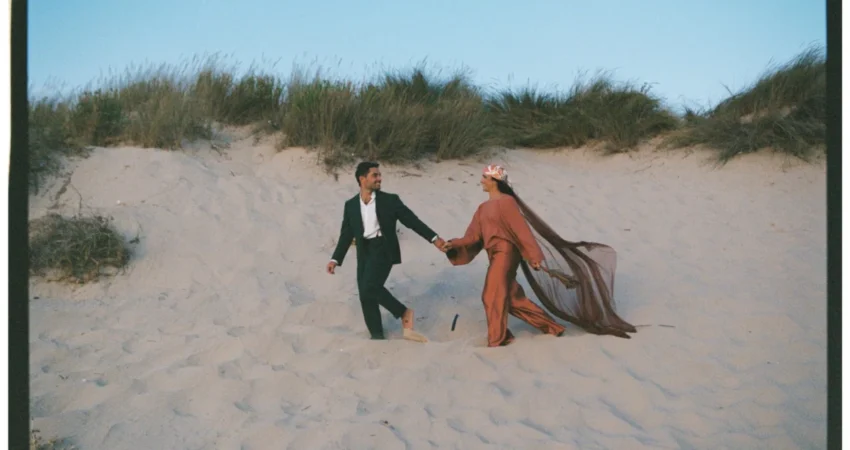
The evolution of the modern destination wedding has seen a significant shift toward "slow luxury," an approach that prioritizes intimacy, cultural fusion, and artisanal detail over traditional opulence. This trend was recently exemplified by the wedding of Paula and her partner in Portugal, an event that rejected rigid protocols in favor of a relaxed, candlelit gathering among friends. By integrating a tri-national culinary palette and a visual identity rooted in personal symbolism, the celebration underscored a growing movement within the high-end event sector: the elevation of the "anti-protocol" wedding into a meticulously curated aesthetic experience.
The Architectural and Design Philosophy of El Palomar Studio
At the heart of the event’s visual execution was El Palomar Studio, a creative firm known for its ability to blend rustic naturalism with high-concept design. The studio was tasked with translating the couple’s vision of a "dinner among friends" into a cohesive physical space. This began with the stationery, developed in collaboration with designer Candela Lillo, which set the tone for the event’s branding. Rather than opting for standard bridal motifs, the design language centered on organic forms and a specific color story that reflected the couple’s personal history.
The table settings served as a primary focal point for this aesthetic. Eschewing the uniform rentals common in large-scale events, El Palomar Studio spent months sourcing vintage glassware from various flea markets and second-hand digital platforms. This curated collection featured a diverse array of shapes, sizes, and colors, creating a table scape that appeared spontaneous yet was the result of deliberate logistical planning. By mixing these vintage pieces with a wide variety of floral species and tones, the designers achieved a sense of "naturalized luxury"—a style that feels inherited and lived-in rather than manufactured.
Symbolic Iconography: The Role of the Tomato and the Pepper
In a departure from traditional floral-centric wedding themes, the visual universe of this celebration was dominated by two unconventional elements: the tomato and the pepper. These vegetables were not merely decorative but served as deeply personal symbols for the couple. This choice reflects a broader trend in the luxury event market where clients seek "micro-branding"—the use of specific, often mundane objects to represent complex personal narratives.
To solidify this theme, the couple commissioned ceramicist Amalia Aranguren to create bespoke, hand-crafted pieces. Each guest found a unique ceramic miniature of either a tomato or a pepper at their place setting. This move transformed a temporary event detail into a permanent artifact, providing guests with a tangible connection to the wedding’s specific iconography. The integration of handmade ceramics also highlights the increasing demand for artisanal craftsmanship in the wedding industry, as couples move away from mass-produced favors in favor of collectible art.
A Tri-National Gastronomic Experience
The catering strategy was designed to reflect the couple’s geographical history and favorite destinations. The menu was a deliberate hybrid of Spanish, Portuguese, and Swedish cuisines. This culinary triad represents a sophisticated logistical undertaking, requiring the kitchen to balance the olive-oil-based traditions of the Iberian Peninsula with the often more minimalist, preservation-focused techniques of Scandinavian cooking.
- Spanish Influence: Representing the couple’s roots, focusing on high-quality ingredients and traditional tapas-style sharing.
- Portuguese Influence: A nod to the host country, likely incorporating local seafood and the region’s distinct pastry traditions.
- Swedish Influence: Reflecting a specific personal affinity or heritage, introducing elements such as dill, pickled components, or specific seafood preparations common in Northern Europe.
By removing the formal protocol of a seated, multi-course banquet and replacing it with a relaxed dinner by candlelight, the event prioritized social flow and atmosphere. This "chiringuito" (beach bar) setting, while appearing casual, requires precise timing and service to ensure that the "relaxed" atmosphere does not devolve into a lack of coordination.
The Aesthetic Palette: Color Theory and Attire
The wedding’s aesthetic was governed by a strict three-color palette, which served to organize the visual hierarchy of the event. White was designated for the guests and the venue itself, providing a clean, neutral backdrop that allowed the primary subjects to stand out. Terracotta was reserved exclusively for the bride, while green represented the groom.
The Bride’s Modernist Approach
Paula’s choice of attire reflected the "anti-bride" movement, which favors fashion-forward silhouettes over traditional lace and tulle. She wore a two-piece ensemble consisting of trousers and a top from Cortana, a Spanish brand known for its architectural draping and use of natural fabrics. This choice signaled a commitment to comfort and movement, essential for a beach-side ceremony.
Her accessories further blended high fashion with personal heritage. She utilized a vintage Hermès scarf with marine motifs to secure her veil, bridging the gap between luxury fashion and the coastal setting. In a final nod to modern sartorial trends, Paula transitioned from being barefoot during the ceremony to wearing Maison Margiela Tabi ballerinas for the reception. The Tabi, with its iconic split-toe design, is a hallmark of avant-garde fashion, further cementing the wedding’s status as a high-style event.
The Groom’s Organic Elegance
Complementing the bride’s terracotta tones, the groom wore a green linen suit from Old Jeffrey, a Madrid-based tailor specializing in contemporary classicism. The choice of linen was both a practical response to the Portuguese climate and a stylistic choice aligned with the wedding’s relaxed ethos. By omitting a tie and opting for Bradford suspenders, the groom maintained a balance between formal structure and coastal informality. His accessories included a Longines timepiece and Bexley espadrilles for the post-ceremony festivities.
Chronology of an Improvised Masterpiece: The Garden Bouquet
One of the most significant moments in the wedding’s timeline occurred just hours before the ceremony. Despite months of planning, the original floral arrangements intended for the bridal bouquet failed to meet Paula’s expectations. In a move that underscored the wedding’s theme of naturalness and spontaneity, the bride and the team from El Palomar Studio decided to improvise.
Using flowers gathered directly from the garden of the house where they were staying, they constructed a bouquet that was "simple, natural, and made with affection." This last-minute pivot turned a potential logistical failure into one of the most sentimental elements of the day. According to Paula, carrying a "piece of home" provided a level of personal significance that a professional, pre-planned arrangement could not have achieved.
Market Analysis: The Rise of Destination Weddings in Portugal
The choice of Portugal as a venue is indicative of the country’s rising status in the global destination wedding market. According to recent industry data, Portugal has seen a 20% increase in international weddings over the last five years, driven by its diverse landscapes, high-quality catering industry, and relatively competitive pricing compared to neighboring France or Italy.
Regions like the Algarve and Comporta have become hotspots for "chic-rustic" weddings. The "chiringuito" style chosen by Paula and her partner leverages Portugal’s extensive coastline to offer an experience that feels both exclusive and grounded. The success of such events relies heavily on local "boutique" vendors and the ability to source authentic materials—like the vintage glass and handmade ceramics seen in this instance—locally or within the Iberian region.
Broader Implications for the Wedding Industry
This celebration serves as a case study for the "New Sincerity" in event planning. Key takeaways for the industry include:
- The Rejection of Uniformity: The success of the "mismatched" vintage glassware suggests that perfection is no longer defined by symmetry, but by character and curation.
- Symbolic Branding: The use of the tomato and pepper icons demonstrates how specific, non-traditional motifs can create a stronger brand identity for an event than generic floral themes.
- Logistical Flexibility: The improvised bouquet highlights the importance of adaptability. In the high-end market, the ability to pivot and find "luxury in the local" is becoming a highly valued skill for planners.
- The "Barefoot" Luxury Trend: Moving from a barefoot ceremony to high-fashion footwear (Tabi) represents a new way of defining "formal" that prioritizes the environment and the experience of the couple.
In conclusion, the wedding of Paula and her partner in Portugal was more than a social gathering; it was a deliberate exercise in aesthetic storytelling. By blending Spanish, Portuguese, and Swedish influences with a commitment to artisanal detail and "spontaneous" design, the event set a benchmark for the modern destination wedding. It proved that when protocol is removed, what remains is a highly personal, culturally rich, and visually arresting celebration of identity and connection.

0 Comments