

The cinematic landscape of 2024 has been defined by a series of high-stakes gambles, but few have presented as complex a narrative as Furiosa: A Mad Max Saga. Directed by the visionary George Miller, the film serves as a sprawling prequel to the 2015 masterpiece Mad Max: Fury Road. Despite being heralded by critics as one of the premier entries in the science fiction genre, the film’s theatrical run was characterized by a stark underperformance at the box office. As the title now navigates its tenure on global streaming platforms, including Netflix and Max, it faces a ticking clock; in various territories, its availability on Netflix is slated to conclude by November 15, 2026, marking a significant transition for a film that continues to find its audience long after its premiere.
The Paradox of Critical Acclaim and Commercial Failure
When Furiosa: A Mad Max Saga debuted at the Cannes Film Festival in May 2024, it received a seven-minute standing ovation. Critics praised Anya Taylor-Joy’s disciplined performance as the titular heroine and Chris Hemsworth’s transformative turn as the eccentric yet brutal warlord Dementus. On the review aggregator Rotten Tomatoes, the film maintains a formidable 90% "Certified Fresh" rating from critics and an 89% audience score. These figures suggest a work of high artistic merit that resonated deeply with those who viewed it.
However, the financial reality told a different story. Produced on a reported budget of $168 million—excluding a substantial marketing spend estimated at $100 million—the film earned approximately $174 million worldwide. In the parlance of modern film economics, a blockbuster generally requires a return of 2.5 times its production budget to reach a break-even point, accounting for the split in revenue with theater owners and the costs of global distribution. By these metrics, Furiosa resulted in a significant loss for Warner Bros. Pictures, raising immediate questions regarding the viability of high-budget, R-rated auteur-driven science fiction in the current theatrical climate.
Historical Context and the Evolution of the Wasteland
To understand the weight of Furiosa’s performance, one must look at the forty-five-year history of the Mad Max franchise. George Miller launched the series in 1979 with a low-budget Australian exploitation film starring Mel Gibson. That original trilogy—comprising Mad Max, The Road Warrior (1981), and Beyond Thunderdome (1985)—defined the visual language of post-apocalyptic cinema.
The franchise lay dormant for three decades before returning with Mad Max: Fury Road in 2015. Unlike many reboots, Fury Road was a cultural phenomenon, winning six Academy Awards and earning $380 million worldwide. While Fury Road was not a massive financial "hit" in the traditional sense given its $150 million budget, its cultural footprint was immense.
Furiosa was conceived during the development of Fury Road. Miller wrote extensive backstories for every character to provide the actors with depth, and the script for Furiosa was essentially completed before a single frame of Fury Road was shot. Legal disputes between Miller’s production company, Kennedy Miller Mitchell, and Warner Bros. over unpaid bonuses delayed the production of the prequel for years. By the time cameras finally rolled in the Australian Outback, the cinematic landscape had shifted, and the "legacy sequel" trend had begun to show signs of fatigue.
Narrative Structure and Technical Sophistication
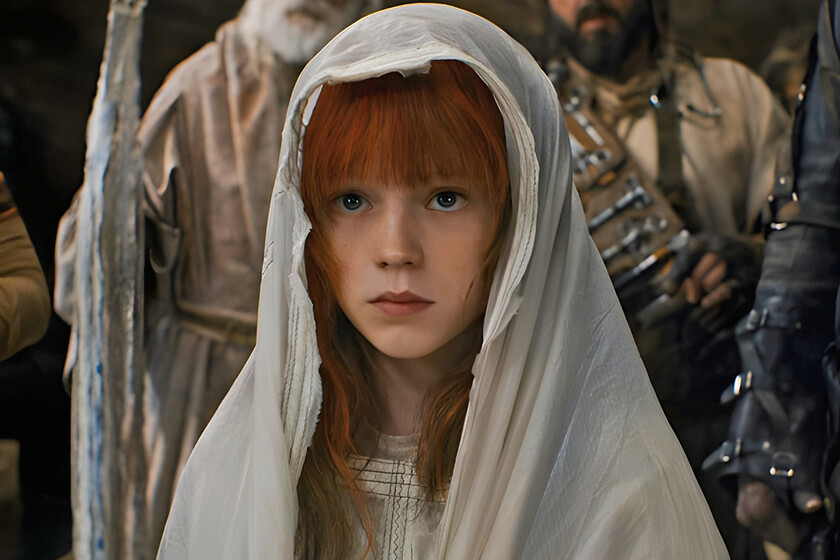
Furiosa: A Mad Max Saga departs from the breakneck, linear structure of Fury Road. Where its predecessor was essentially a continuous two-hour chase sequence, Furiosa is an odyssey told in five distinct chapters spanning fifteen years. It tracks the abduction of a young Furiosa from the "Green Place of Many Mothers" by the Biker Horde, led by the charismatic and delusional Dementus.

The film serves as an expansive world-building exercise, detailing the geopolitical tensions between the three major hubs of the Wasteland: the Citadel, Gas Town, and the Bullet Farm. This narrative density was praised for adding "mythological weight" to the franchise. Technically, the film utilized a blend of practical stunts—a hallmark of the series—and sophisticated digital effects to create the "Stowaway to Nowhere" sequence, a 15-minute set piece that took 78 days to shoot and involved 200 stunt performers daily.
Analyzing the Box Office Disconnect
Industry analysts have pointed to several factors for the film’s inability to capture a wider audience. First, the nine-year gap between Fury Road and Furiosa may have resulted in a loss of momentum among casual viewers. Second, the absence of the "Mad Max" character as the primary lead—despite the franchise name being in the title—may have confused or alienated segments of the traditional fan base.
Furthermore, the Memorial Day weekend release in the United States saw the lowest overall box office attendance in decades. Furiosa faced competition from family-oriented counter-programming like The Garfield Movie, which, while critically panned, offered a lower barrier to entry for general audiences. The R-rating of Furiosa, while essential for its artistic integrity, also limited its demographic reach during a period when theaters were desperate for "four-quadrant" hits.
Official Reactions and the Future of the Franchise
Despite the financial setback, George Miller has remained optimistic about the future of the Wasteland. In various press junkets, Miller confirmed that he has another story prepared, titled Mad Max: The Wasteland, which would serve as a prequel to Fury Road focusing on the character of Max Rockatansky in the year leading up to his capture by the War Boys.

"I’m certainly waiting to see how this all settles before we move forward," Miller stated in an interview with The Hollywood Reporter following the film’s opening weekend. Warner Bros. executives have remained largely silent on the future of the franchise, though the film’s strong performance on Video on Demand (VOD) and streaming platforms has provided some consolation. In the modern era, "long-tail" revenue from streaming and physical media sales can often mitigate theatrical losses, though they rarely erase them entirely.
The Streaming Lifeline and Distribution Shifts
The transition of Furiosa: A Mad Max Saga to streaming platforms represents the "second life" common to modern blockbusters. In regions like Mexico and parts of Latin America, the film’s licensing to Netflix has introduced it to a broader demographic that may have bypassed the theatrical experience. However, the transient nature of these licensing deals is highlighted by the confirmed departure date of November 15, 2026, for Netflix subscribers in those regions.
This highlights the fragmentation of modern media consumption. While the film remains a "Max Original" in many territories (as part of the Warner Bros. Discovery umbrella), its availability on Netflix serves as a strategic move to recoup production costs through licensing fees. For cinephiles, this creates a sense of urgency, as the film’s presence on any given platform is no longer guaranteed in perpetuity.
Broader Implications for the Film Industry
The trajectory of Furiosa serves as a cautionary tale for the "middle-ground" blockbuster—films that are too expensive to be indie hits but too niche or "art-house" in their execution to compete with the sheer scale of Marvel or Disney tentpoles. It raises questions about the future of the R-rated epic. If a director of George Miller’s caliber, working within a proven IP, cannot secure a massive profit, studios may become increasingly risk-averse regarding high-concept, adult-oriented spectacles.

However, the film’s legacy seems secure in the annals of science fiction. Much like Blade Runner or The Thing, Furiosa: A Mad Max Saga appears destined to be remembered as a masterpiece that was misunderstood by the market of its time. Its intricate costume design, haunting score by Tom Holkenborg (Junkie XL), and the thematic exploration of hope in a hopeless world ensure its continued relevance in academic and fan discussions.
Summary of Key Data Points
To provide a clear overview of the film’s standing, the following data points summarize its impact:
- Production Budget: $168 Million.
- Global Box Office: $174.4 Million.
- Critical Approval: 90% (Rotten Tomatoes).
- Audience Approval: 89% (Rotten Tomatoes).
- Major Awards Recognition: Expected to be a heavy contender in technical categories (Visual Effects, Sound, Production Design) for the upcoming awards season.
- Streaming Deadline: November 15, 2026 (Netflix, selected regions).
As the film continues its journey through the digital ether, it remains a testament to George Miller’s uncompromising vision. While the "Wasteland" may be a place of scarcity and struggle, Furiosa: A Mad Max Saga stands as a work of creative abundance, proving that cinematic value is not always measured in opening weekend receipts, but in the endurance of the story told. For those who have yet to witness the odyssey of Furiosa, the window of opportunity on major streaming platforms remains open, though the sands of time are steadily shifting.

0 Comments