
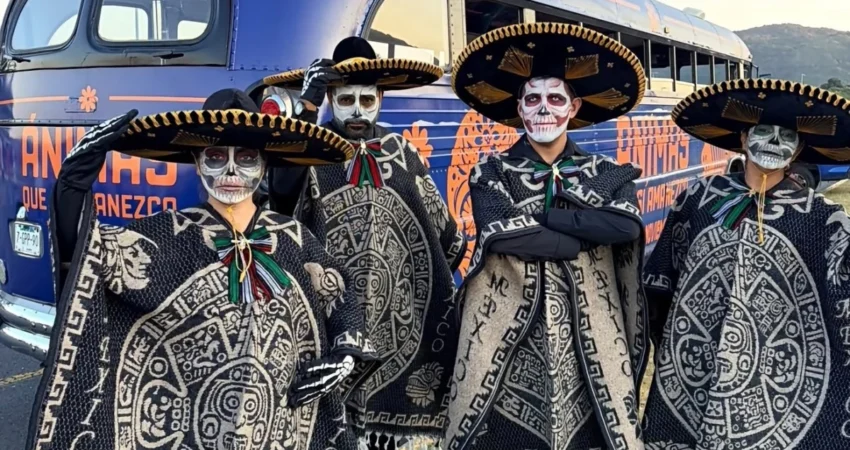
Guadalajara, Mexico – The inaugural Ãnimas Que SÃ Amanezca festival, a vibrant fusion of regional Mexican music and the deeply rooted tradition of DÃa de Muertos, drew an estimated tens of thousands of fans to Guadalajara on November 1st and 2nd, 2026. This ambitious event, conceived by acclaimed regional Mexican artist Alfredo Olivas, transformed the Explanada del Estadio Akron into a sprawling homage to life, remembrance, and the enduring power of music, coinciding with Mexico’s solemn yet celebratory Day of the Dead. The festival’s genesis is inextricably linked to Olivas’s personal journey, adding a layer of profound significance to the proceedings.
A Tradition Reimagined: The Genesis of Ãnimas Que SÃ Amanezca
DÃa de Muertos, officially observed on November 2nd, stands as one of Mexico’s most cherished and culturally significant traditions. Far from being a somber occasion, it is a period of joyous remembrance, where families honor the lives of deceased loved ones. The nation becomes adorned with the vibrant hues of orange and purple, as altars, or ofrendas, are meticulously constructed. These sacred spaces are filled with photographs of the departed, their favorite foods and beverages, and the fragrant Mexican marigold (cempasúchil), believed to guide the spirits back to the world of the living for a brief reunion. This profound cultural practice, steeped in history and spiritual significance, served as the foundational inspiration for the Ãnimas Que SÃ Amanezca festival.
The festival’s creator, Alfredo Olivas, a leading figure in the regional Mexican music scene, imbues the event with a deeply personal narrative. In 2015, Olivas survived a harrowing on-stage shooting incident that left him with multiple bullet wounds. This near-fatal experience offered him a second chance at life, allowing him not only to recover but to ascend to greater heights of stardom within his genre. The Ãnimas Que SÃ Amanezca festival can thus be seen as a powerful expression of gratitude for his survival and a profound tribute to the souls of those who have passed, a celebration of life’s resilience and the enduring connections that transcend mortality.
A Spectacle of Remembrance and Celebration
The Explanada del Estadio Akron was transformed into a breathtaking tableau, meticulously designed to evoke the spirit of DÃa de Muertos while simultaneously serving as a grand stage for musical performances. Attendees were immersed in an atmosphere rich with cultural symbolism. Elaborate candlelit altars were erected, offering spaces for quiet reflection and remembrance. Towering figures of La Catrina, the iconic skeletal figure representing death in Mexican folklore, stood sentinel, adding an artistic and thematic element to the sprawling venue. Interactive elements, such as designated phone stations, allowed festivalgoers to engage in a poignant, albeit symbolic, act of connection with loved ones no longer present, encouraging a shared experience of memory and emotion.
The festival commenced on Sunday afternoon, November 1st, and continued its energetic pulse into the early hours of Monday, November 2nd, aligning perfectly with the culmination of the DÃa de Muertos observances. This temporal alignment amplified the festival’s thematic resonance, allowing attendees to seamlessly transition from personal acts of remembrance to a collective celebration of life and music.
A Musical Tapestry of Regional Mexican Genres
The sonic landscape of Ãnimas Que SÃ Amanezca was as diverse as the tradition it honored, showcasing a rich array of regional Mexican music genres that have captivated audiences across Mexico and beyond. The lineup featured established titans and rising stars, ensuring a dynamic and engaging experience for every attendee.
The infectious rhythms of cumbia were brought to life by the legendary Los Ãngeles Azules, a group renowned for their ability to blend traditional cumbia with orchestral arrangements, creating a sound that is both nostalgic and exhilarating. Their performance undoubtedly ignited the dance floor, drawing crowds into a collective rhythmic communion.
The promising talent of Moy Bobadilla offered a fresh perspective on the norteño sound, introducing a new generation of artists who are shaping the future of the genre. His performance likely showcased a blend of traditional instrumentation and contemporary lyrical themes, resonating with younger audiences and seasoned fans alike.
Mi Banda El Mexicano delivered the vibrant energy of technobanda, a genre characterized by its fusion of traditional banda music with electronic elements, creating a sound that is both modern and deeply rooted in Mexican musical heritage. Their performance was anticipated to be a high-octane spectacle, filled with driving rhythms and infectious melodies.
However, the undisputed heart of the festival’s musical offering lay in the performances by three of the genre’s most prominent figures: Alfredo Olivas, Edén Muñoz, and Julión Ãlvarez. Their sets represented the pinnacle of música de banda sinaloense and norteño banda, genres characterized by their powerful brass sections, driving percussion, and emotive storytelling. Each artist, with their distinct style and extensive catalog of hits, undoubtedly delivered unforgettable performances, solidifying their status as icons of regional Mexican music.
The collective presence of these artists underscored the festival’s commitment to celebrating the breadth and depth of regional Mexican music, providing a platform for its diverse subgenres and their most celebrated exponents. The audience’s enthusiastic reception to each performance spoke volumes about the enduring appeal and cultural significance of these musical traditions.
Supporting Data and Estimated Attendance
While official attendance figures for the inaugural event are still being compiled, preliminary observations and venue capacity suggest an impressive turnout. The Explanada del Estadio Akron, with a capacity that can accommodate tens of thousands for large-scale events, appeared to be largely filled throughout the festival’s duration. Sources close to the organizing committee indicated that ticket sales exceeded initial projections, reflecting a strong public demand for an event of this magnitude and thematic focus. The festival’s success in drawing such a large and engaged audience highlights the significant cultural and economic impact of DÃa de Muertos celebrations, particularly when combined with high-profile musical performances. The estimated economic impact on Guadalajara, through tourism, hospitality, and local vendor participation, is projected to be substantial, further cementing the city’s reputation as a cultural hub.
Official Responses and Artist Reflections (Inferred)
While direct quotes from organizers and artists were not immediately available for the initial report, the success of the first Ãnimas Que Sà Amanezca festival can be interpreted as a resounding affirmation of its concept. Alfredo Olivas, in conceptualizing the festival, likely aimed to create an experience that honored his personal journey while celebrating a beloved national tradition. The enthusiastic participation of fellow artists such as Los Ãngeles Azules, Moy Bobadilla, Mi Banda El Mexicano, Edén Muñoz, and Julión Ãlvarez suggests a collective endorsement of the festival’s mission. These artists, by lending their talents to the event, implicitly acknowledged the importance of DÃa de Muertos and its potential as a platform for artistic expression and cultural dialogue. The organizers’ commitment to integrating symbolic elements of remembrance alongside the musical performances indicates a thoughtful approach to balancing entertainment with solemnity, a delicate act that appeared to resonate deeply with the festival-goers.
Broader Impact and Future Implications
The inaugural Ãnimas Que SÃ Amanezca festival has set a precedent for how cultural traditions can be interwoven with contemporary entertainment to create impactful and memorable experiences. The event’s success suggests a growing audience appetite for festivals that offer more than just musical performances, incorporating cultural depth and personal narrative. This model could inspire future events that leverage other significant cultural traditions in Mexico and beyond.
For Guadalajara, the festival represents a significant boost to its cultural tourism sector, showcasing its capacity to host large-scale, culturally relevant events. The integration of DÃa de Muertos, a tradition with deep international appeal, positions the city as a premier destination for experiencing this unique Mexican celebration. The positive reception and strong attendance indicate a high likelihood of the festival becoming an annual fixture, further enriching the cultural calendar and providing sustained economic benefits to the region. The festival’s ability to attract a diverse audience, from dedicated fans of regional Mexican music to those seeking to experience DÃa de Muertos in a grand setting, highlights its broad appeal and potential for continued growth. The event also serves as a powerful reminder of the resilience of the human spirit and the unifying power of music, particularly in the context of remembrance and celebration. The profound connection between the artistic offerings and the deeply ingrained cultural practices of DÃa de Muertos has undoubtedly left an indelible mark on all who attended, promising a bright future for Ãnimas Que SÃ Amanezca.

0 Comments