
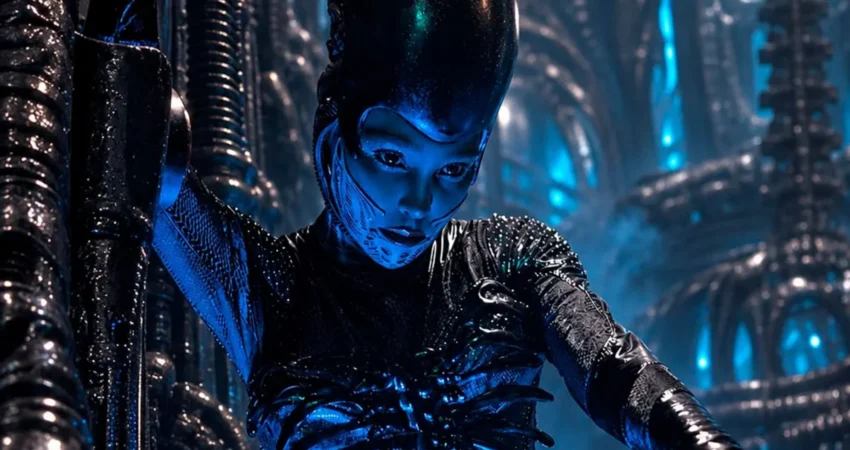
The final weekend of October 2024 has witnessed a massive surge in high-concept costuming as the entertainment industry’s elite participate in what has become an unofficial competitive circuit of creative expression. This year’s festivities have moved beyond traditional horror tropes, pivoting instead toward a sophisticated meta-commentary on fame itself. In a season defined by the adage that "imitation is the sincerest form of flattery," the initial wave of celebrity reveals indicates a pervasive trend of stars paying homage to other iconic figures within the pop culture zeitgeist. From the Kardashian-Jenner dynasty to music industry titans and Hollywood veterans, the 2024 Halloween circuit serves as a high-stakes arena for branding, social media engagement, and artistic craftsmanship.
The Meta-Reference Trend: Celebrities Portraying Celebrities
The most prominent theme emerging from the 2024 Halloween weekend is the "celebrity as celebrity" archetype. Kim Kardashian, a perennial figure in the Halloween spotlight, surprised her massive social media following by transforming into her own eldest daughter, North West. Kardashian’s look was a meticulously detailed recreation of North’s signature aesthetic, featuring an electric blue mane, a multitude of facial piercings, and oversized streetwear. Industry analysts suggest this "meta-costume" serves a dual purpose: it humanizes the mogul through a maternal tribute while simultaneously capitalizing on the viral potential of her daughter’s burgeoning public persona.
Following a similar trajectory of tribute, Paris Hilton utilized the holiday to celebrate her long-standing friendship with pop icon Britney Spears. Hilton recreated the legendary 2001 MTV Video Music Awards performance look from "I’m a Slave 4 U," complete with the midriff-baring ensemble and a python prop. This choice resonates deeply with millennial nostalgia, a demographic that remains the primary driver of social media engagement for legacy influencers. Hilton’s tribute follows a series of public displays of solidarity between the two stars, reinforcing a narrative of female empowerment and mutual support within the industry.
In a more satirical vein, Lisa Rinna, the former "Real Housewives of Beverly Hills" star known for her own distinct look, chose to impersonate Kylie Jenner. By adopting Jenner’s signature glam and posing in a manner that parodied the beauty mogul’s social media presence, Rinna leaned into the "generational crossover" trend. These costumes are rarely just about the clothing; they are performance pieces designed to trigger "likes" and "shares" across platforms like Instagram and TikTok, where visual impact is the primary currency.
Musical Legacies and Genre Homages
Beyond direct impersonations of contemporaries, many celebrities looked toward musical history and global media for inspiration. Keke Palmer, alongside her son, executed a dual tribute to the Jackson family. Palmer channeled Janet Jackson’s "Velvet Rope" era, while her son was styled as a young Michael Jackson. This choice highlights the enduring influence of the Jackson dynasty on modern R&B and pop performers, positioning Palmer as a custodian of Black musical excellence.
The influence of international media was also palpable. Lizzo, known for her eclectic and often humorous costumes, pivoted toward the world of Japanese manga and anime. She transformed into Seiko Ayase, a central character from the hit series Dandadan. This move signals a broader shift in Western celebrity culture, where niche global interests—particularly those from the anime and gaming sectors—are increasingly being integrated into mainstream American holidays. This crossover appeals to a younger, more globally connected fan base.
In the realm of cinema-inspired looks, Kali Uchis revisited a seminal moment in 2000s film. She recreated Natalie Portman’s character, Alice, from the 2004 drama Closer, specifically the pink-wigged aesthetic that has become a staple of "mood board" culture. Meanwhile, Chloe Bailey offered a stylized, "sexy" interpretation of Meg Griffin from the animated series Family Guy. Bailey’s choice subverts a character traditionally depicted as the "ugly duckling," transforming a low-culture reference into a high-fashion statement.
The Economic Impact of Celebrity Halloween
The scale of these transformations is supported by a massive economic infrastructure. According to the National Retail Federation (NRF), total Halloween spending in the United States is projected to reach approximately $11.6 billion in 2024. While the average consumer spends roughly $103 on costumes and decorations, celebrity budgets are estimated to range from tens of thousands to hundreds of thousands of dollars per look.
These high-end productions often involve teams of professional stylists, prosthetic makeup artists, and custom couturiers. For instance, the prosthetics used by stars like Heidi Klum—whose annual party remains the gold standard of the season—are often developed over several months by Hollywood special effects studios. The ROI (Return on Investment) for these costumes is found in digital metrics. A single viral Halloween post can generate tens of millions of impressions, which in turn increases the "Earned Media Value" (EMV) for the celebrity and any brands they are associated with.
Chronology of the 2024 Halloween Circuit
The 2024 Halloween season followed a distinct chronological rollout, beginning with "Halloweekend" events on Friday, October 25.
- Friday, October 25: The initial wave of parties, including the famed Casamigos Halloween party in Los Angeles, saw stars like Benito Skinner and Owen Thiele debuting their Zara Larsson duo costume. This event typically sets the tone for the weekend’s trends.
- Saturday, October 26: The volume of reveals increased as celebrities attended private soirées and public events. This was the window where Kim Kardashian and Paris Hilton debuted their tributes, dominating the Sunday morning news cycle.
- Sunday, October 27: A brief lull occurred as the industry prepared for the actual date of October 31. This period is often characterized by "teasers" for more complex costumes that require extensive application time.
- October 31 (Anticipated): The "heavyweights" are expected to make their appearances. Janelle Monáe and Heidi Klum traditionally wait until the actual holiday to unveil their looks, which often involve full-body transformations and mechanical elements.
Professional Analysis: The Shift Toward Curated Content
Journalistic observation of the 2024 season reveals a significant shift in how Halloween is treated by the Hollywood machine. Historically, the holiday was a time for candid, often messy fun. In the current era, it has been "Met Gala-fied." Every costume is a curated production, often shot by professional photographers in studio settings before the celebrity even leaves their home.
"The costume is no longer just for the party; it’s for the grid," notes culture critic Elias Thorne. "When Kim Kardashian dresses as North, or Lisa Rinna dresses as Kylie, they are engaging in a form of brand synergy. It’s a closed loop of fame where the celebrities are the only ones worthy of being the source material for other celebrities."
This trend also reflects a decline in "scary" costumes in favor of "recognizable" ones. The goal is no longer to frighten, but to be "in on the joke." By referencing specific moments in pop culture—like the Closer pink wig or the Britney Spears VMA outfit—celebrities signal their cultural literacy to their audience.
Anticipation for the Grand Finales
While the early reveals have set a high bar, the public is currently awaiting the contributions of Janelle Monáe and Heidi Klum. Klum, often dubbed the "Queen of Halloween," has a history of wearing costumes that render her entirely unrecognizable, such as her 2022 giant rainworm and her 2023 peacock ensemble which featured ten Cirque du Soleil performers as her tail.
Similarly, Janelle Monáe has gained a reputation for high-concept, surrealist costumes that often require hours of prosthetic work. Her 2024 look is rumored to be her most ambitious yet, following her previous successes as E.T. the Extra-Terrestrial and the Grinch.
Furthermore, the remaining members of the Kardashian-Jenner clan, including Kendall Jenner and Kourtney Kardashian, are expected to release coordinated group costumes. In previous years, these have included recreations of Victoria’s Secret Angels or classic horror movie villains, consistently ranking as some of the most-searched images of the year.
Broader Implications and Cultural Reflection
The 2024 celebrity Halloween season serves as a reflection of a society obsessed with nostalgia and self-reference. In an era of rapid digital change, the comfort of recognizable icons—Britney Spears, the Jacksons, Family Guy—provides a sense of cultural continuity. The professionalization of the holiday also underscores the blurring lines between personal life and public performance.
As the weekend concludes and the actual date of Halloween approaches, the industry remains focused on who will provide the "definitive" image of the year. Whether through high-tech prosthetics or clever pop culture parodies, the celebrities of 2024 have proven that Halloween is no longer just a holiday—it is a sophisticated strategic tool in the modern fame economy. The "prelude" of costumes seen thus far suggests that the most extravagant and technologically advanced transformations are yet to come, promising a conclusion to the season that will likely dominate headlines well into November.

0 Comments