
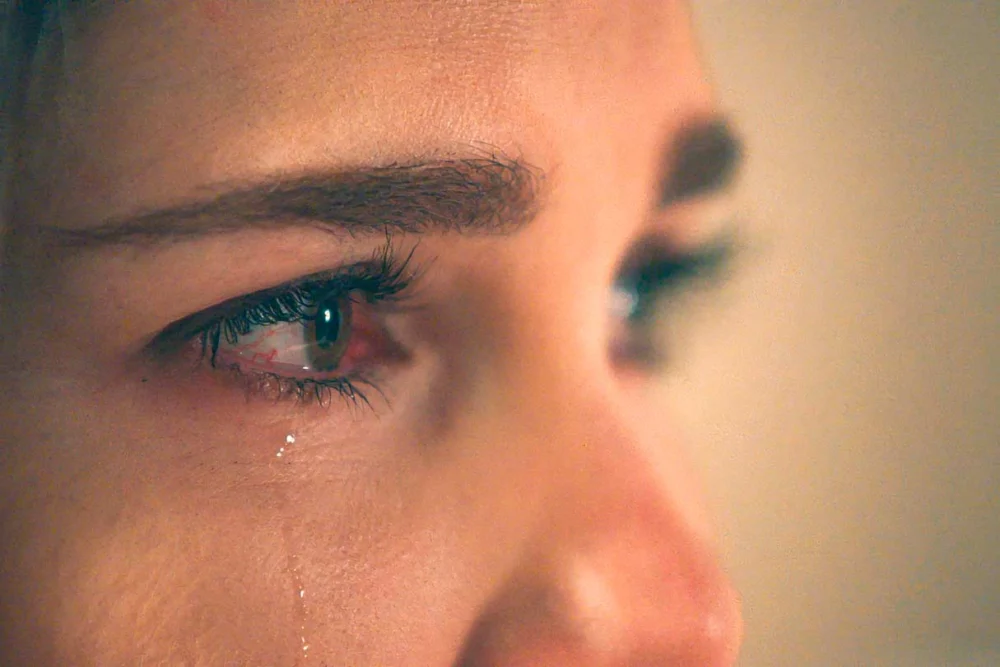
The latest installment of the popular Spanish drama "Sueños de Libertad" delivers a deeply emotional and pivotal encounter between its central characters, Begoña and Andrés, as they grapple with unresolved feelings and the weight of their decisions. What began as a seemingly routine conversation has escalated into a scene charged with raw emotion, culminating in Begoña’s resolute choice, a decision that promises to significantly shape her future and that of the young De la Reina heir. This development underscores the complex emotional landscape of the series, highlighting themes of love, sacrifice, and the enduring impact of parental decisions on children.
A Confession of Lingering Affection
Andrés, a character who has consistently struggled to conceal his profound affection for Begoña, finds himself once again at a crossroads. Each encounter between the two rekindles the potent memories and the undeniable love they once shared. In a moment of profound vulnerability, Andrés chooses to lay bare the feelings he has long harbored, confessing, "When I see you, I can’t help but feel the same as the first day." This candid admission serves as a stark reminder of the deep connection that continues to bind them, a connection that transcends the societal and personal barriers they face. The sincerity in his voice and the palpable emotion in his gaze underscore the genuine nature of his enduring feelings, leaving Begoña in a position of immense emotional difficulty.
Begoña’s Unwavering Resolve: A Choice for Her Children
Begoña, upon hearing Andrés’s heartfelt confession, experiences a profound ache in her heart. She is acutely aware that her own feelings for him remain potent and deeply ingrained. However, her decision, meticulously considered and fiercely held, remains unchanged. The protagonist has committed to continuing her marriage to Gabriel, at least outwardly, believing this to be the sole viable path to safeguard her children and shield them from further emotional turmoil. This decision is not born of indifference or a lack of feeling for Andrés, but rather from a profound sense of maternal responsibility. In the context of the series’ narrative, which often explores the consequences of clandestine affairs and the societal pressures faced by women in her era, Begoña’s choice reflects a pragmatic, albeit painful, assessment of her circumstances. Her primary concern is the well-being of her offspring, a driving force that shapes her most significant life choices.
The Shadow of Fear: Julia’s Perspective and Begoña’s Guiding Light
During their intense conversation, Begoña also addresses the burgeoning anxieties of her daughter, Julia. The young girl has recently exhibited a palpable fear of love, even expressing a desire to forgo marriage in the future. This apprehension stems from observing the complexities and heartaches experienced by the adults around her, a direct consequence of the often-turbulent relationships within the De la Reina family and their social circle. Begoña, a perceptive mother, recognizes the profound impact of her own actions and the environment she has cultivated on Julia’s worldview. She reflects on the critical importance of setting a positive example, stating with a calm conviction, "Julia will stop feeling that fear when she sees that we can be happy in love." This statement reveals Begoña’s underlying hope that by presenting a united front, or at least a semblance of stability, she can mitigate the negative emotional inheritance that her children might otherwise face. The narrative subtly implies that Begoña’s perceived strength in maintaining her marriage, however personally costly, is a strategic maneuver to provide a foundational sense of security for her children.
A Sacrifice of Love: Wishing Andrés Happiness
The emotional apex of their exchange arrives when Begoña articulates a sentiment that clearly defines the immense sacrifice she is willing to make. In a poignant moment, she expresses her deepest desire for Andrés to find happiness with another, a testament to her selfless love. "I want you to find someone. That you feel love again. You deserve it," she tells him, her words imbued with a complex blend of enduring affection and profound resignation. This declaration signifies Begoña’s acceptance that her path with Andrés is not meant to be, and her genuine wish for his future contentment, even if it means her own continued sorrow. This act of wishing him well, despite her own unfulfilled desires, elevates her character and underscores the depth of her love, which has evolved from romantic passion to a profound concern for his overall well-being.
Finding Solace in Motherhood: The Enduring Strength of Parental Love
Beneath the surface of her outward composure, Begoña grapples with the undeniable truth that her feelings for Gabriel will never parallel the intensity of her connection with Andrés. Yet, she seeks solace and purpose in the unwavering love she holds for her children. "But I will have my children… and I can give them all that I am, all my love. And in some way, I will also be happy," she asserts, attempting to convince herself of the validity and inherent goodness of her chosen path. This internal monologue reveals her strategic redirection of emotional energy, focusing on the tangible and enduring source of love and fulfillment that her children represent. This perspective offers a narrative counterpoint to the romantic entanglements, emphasizing the profound and often redemptive power of maternal bonds. The series, through Begoña’s internal struggle, explores the multifaceted nature of happiness and the different forms it can take beyond romantic fulfillment.
A Painful Acceptance and Lingering Tears
The conversation concludes with Andrés accepting Begoña’s decision, though not without evident pain. His departure is marked by a quiet resignation, a somber acknowledgment that he cannot alter the path she has irrevocably chosen. Begoña, left alone, finally succumbs to her suppressed emotions, tears streaming down her face. She understands that she has made the "right" choice, one dictated by duty and a fierce protective instinct, but the emotional cost is undeniable. The scene powerfully illustrates that doing what is considered right does not always equate to personal happiness or an absence of suffering. The lingering image of Begoña’s solitary tears serves as a poignant reminder of the sacrifices made in the pursuit of perceived greater good, a recurring theme within the dramatic tapestry of "Sueños de Libertad." The show’s ability to portray such nuanced emotional conflict without resorting to melodrama has been a key factor in its sustained popularity, resonating with audiences who understand the complexities of life and love.

0 Comments