
The international fashion landscape is currently undergoing a significant transformation as emerging designers increasingly challenge established norms through a fusion of traditional craftsmanship and avant-garde experimentation. For the Spring-Summer 2027 (SS27) season, the Global Fashion Collective (GFC) has curated a selection of six distinct creative visions that highlight this shift, presenting their collections on the prestigious stages of Milan and Paris Fashion Weeks. Since its inception in 2017, GFC has operated as an extension of Vancouver Fashion Week (VFW), serving as a strategic launchpad intended to bridge the gap between regional talent and the global fashion industry. By facilitating connections between designers, international media, and high-level buyers, GFC has established a presence in major fashion capitals including New York, Tokyo, London, Milan, and Paris, effectively democratizing access to the industry’s most influential circuits.
The Strategic Mission of the Global Fashion Collective
The Global Fashion Collective was founded with the specific objective of accelerating the growth of designers who possess the creative potential to scale but may lack the institutional support to navigate the complexities of international fashion weeks. By providing a structured platform, GFC allows these designers to showcase their work alongside heritage brands, thereby validating their commercial and artistic viability. The SS27 season marks a milestone in this mission, as the collective emphasizes themes of digital identity, sustainability, and the intersection of fine art and wearable design.
The collective’s influence is particularly evident in its ability to foster cross-cultural dialogues. The SS27 lineup features a heavy concentration of Mexican talent, alongside innovators from Japan and other international hubs, illustrating a broader industry trend toward "globalized localism"—where specific cultural heritages are reinterpreted for a universal audience.

Milan Fashion Week: CEDIM and the Human Frequency
During the Milan Fashion Week cycle, CEDIM The School of Design presented a collective exhibition titled HUMAN FREQUENCY. This showcase featured the work of seven Mexican designers: Marisol Páez, Paulina Galaviz, Sofía Chávez, Marina Sandoval, Alejandra Flores, Carlos Vázquez, and Jimena Plácido. The collection serves as a critical inquiry into the nature of human identity within an increasingly digitized society.
The design philosophy behind HUMAN FREQUENCY centers on the tension between the precision of technology and the inherent "imperfection" of human touch. The designers utilized a combination of experimental materials and traditional manual processes to reclaim the value of artisanal labor. Observers noted that the collection’s strength lies in its ability to translate abstract concepts—such as digital connectivity and sensory isolation—into tangible silhouettes. By presenting in Milan, one of the world’s primary hubs for textile innovation and luxury manufacturing, CEDIM’s designers positioned Mexican academic excellence within a high-stakes professional environment.
The Paris Showcases: A Convergence of High Fashion and Art
As the fashion circuit moved to Paris, the Global Fashion Collective introduced a series of collections that blurred the boundaries between clothing and sculptural art. Paris, traditionally the home of haute couture, provided the ideal backdrop for designers focused on intricate construction and conceptual depth.
STMITO: The Concept of Underground Couture
Japanese designer Satomi Ito made her Paris debut with her brand STMITO, presenting a collection titled Magma – Beautiful Hell. Ito is a seasoned professional in the industry, having spent over a decade refining her skills in high-fashion construction. She is perhaps best known for her work creating performance costumes for Olympic figure skater Yuzuru Hanyu, a background that informs her mastery of movement and dramatic flair.

The Magma collection explores the concept of "Underground Couture," utilizing sculptural silhouettes and a color palette that transitions from obsidian blacks to fiery oranges and reds. The garments are designed to evoke the primal energy of volcanic activity, symbolizing transformation and the release of internal pressure. Ito’s work is a testament to the technical rigor required to create pieces that are both theatrical and structurally sound, reinforcing the idea that emerging brands can compete at the highest levels of craftsmanship.
Universidad Iberoamericana: Innovation and Sustainability
Representing the academic and innovative spirit of Mexico City, the Universidad Iberoamericana presented DEVENIR during Paris Fashion Week. The 18-look collection was a comprehensive exploration of identity through the lens of modern material science. The designers integrated reclaimed rubber and 3D-printed elements into their garments, signaling a commitment to sustainable practices that do not sacrifice aesthetic impact.
DEVENIR highlights a growing trend in fashion education where sustainability is no longer an elective consideration but a foundational element of the design process. The use of sculptural forms and non-traditional materials demonstrates how the next generation of designers is preparing for a future where resource scarcity and environmental responsibility will dictate the parameters of luxury.
Ximena Corcuera and Llorenz Sendra: The Artwear Movement
The collaboration between Mexican designer Ximena Corcuera and visual artist Llorenz Sendra, titled SYNC SS27, offered a profound look at the "Artwear" movement. This collection was built upon themes of empathy and sensory perception, aiming to create a physical connection between the wearer and the artistic medium.

The process involved transforming Sendra’s paintings into textiles and manually intervening in the garments to ensure each piece remained a unique artistic expression. This approach challenges the fast-fashion model by emphasizing the "slow fashion" philosophy, where clothing is treated as a collectible asset rather than a disposable commodity. The SYNC collection serves as a case study in how interdisciplinary collaborations can revitalize the fashion industry by introducing new methods of storytelling.
Philosophical and Cultural Underpinnings of SS27
The SS27 collections presented by GFC are not merely aesthetic exercises; they are deeply rooted in philosophical and historical contexts. This intellectual approach to design suggests a move away from trend-chasing and toward a more permanent form of creative expression.
RuirUirul: Deconstruction and Individualism
The brand RuirUirul presented Lost in Butterfly Glow, a collection heavily influenced by the philosophy of Plato and the contemporary art of Claudio Parmiggiani. The collection utilizes deconstructed denim, lightweight fabrics, and laser-cut butterfly motifs to symbolize the soul’s journey toward freedom and self-actualization.
The use of vibrant colors and sculptural silhouettes in this collection reflects a desire for individual expression in a world that often favors conformity. By grounding the collection in philosophical inquiry, RuirUirul elevates streetwear to a level of cultural commentary, appealing to a demographic that values both style and substance.

CUADRA: The Evolution of Traditional Luxury
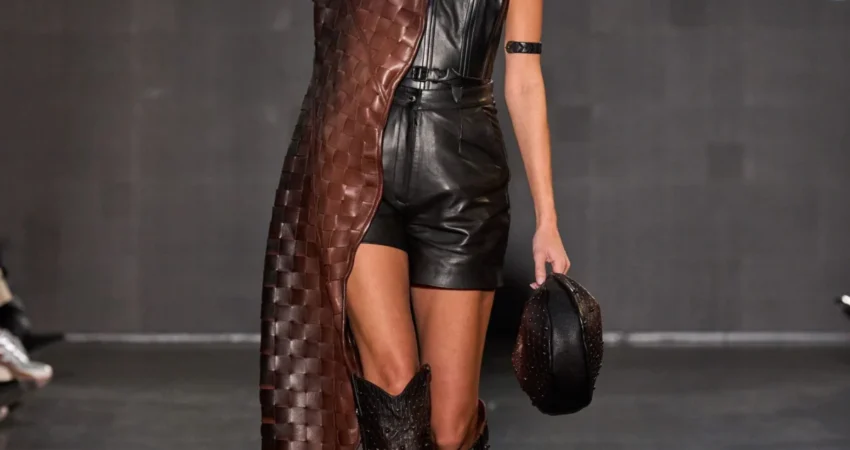
The Mexican firm CUADRA presented Quinta Esencia, a collection that exemplifies the marriage of traditional craftsmanship and contemporary luxury. Known for its high-quality leatherwork and attention to detail, CUADRA used the Paris stage to demonstrate that heritage brands can remain relevant by evolving their design language.
The collection focused on timeless elegance, emphasizing the quality of materials and the mastery of artisanal techniques. In an era where "quiet luxury" has become a dominant market force, CUADRA’s ability to showcase sophisticated, identity-driven design positions it as a significant player in the international luxury market.
Chronology and Strategic Timeline of the SS27 Cycle
The journey of the SS27 collections began months prior to the European showcases, involving a rigorous selection process and development phase.
- Selection and Curation (Early 2026): GFC and Vancouver Fashion Week officials scouted talent from international design schools and independent studios, focusing on those with a clear brand identity and the capacity for international production.
- Concept Development (Mid 2026): Designers worked on the conceptual frameworks of their collections, such as CEDIM’s focus on digital humanity and STMITO’s volcanic inspiration.
- Production and Prototyping (Late 2026): The integration of technology, such as 3D printing for Universidad Iberoamericana and laser-cutting for RuirUirul, took place during this phase.
- Milan Fashion Week (September 2026): The debut of the collective showcases, focusing on the Italian market’s appreciation for textile innovation.
- Paris Fashion Week (Late September/Early October 2026): The culmination of the SS27 cycle, targeting the global haute couture and high-end retail sectors.
Analysis of Implications for the Global Fashion Industry
The success of the Global Fashion Collective’s SS27 presentations carries several implications for the future of the industry. First, it underscores the diminishing power of traditional "fashion borders." The heavy presence of Mexican designers in Milan and Paris suggests that the industry is becoming more polycentric, with significant creative energy emerging from regions previously considered peripheral to the main fashion capitals.

Second, the emphasis on "Artwear" and philosophical design indicates a shift in consumer demand. As the market becomes saturated with mass-produced goods, there is a rising premium on pieces that offer a unique narrative or artisanal value. This shift favors emerging designers who can provide authenticity and a personal touch.
Finally, the integration of technology and sustainability within these collections proves that innovation is no longer the exclusive domain of large corporations. Small, independent designers and academic institutions are often more agile, allowing them to experiment with reclaimed materials and digital fabrication techniques more freely than established houses bound by traditional supply chains.
Conclusion: The Future of Emerging Design
The Global Fashion Collective SS27 showcases have demonstrated that the future of fashion lies at the intersection of identity, innovation, and craftsmanship. By providing a global stage for these six visions, GFC has not only anticipated upcoming trends but has also fostered a deeper conversation about the role of the designer in the modern world. Whether through the digital reflections of CEDIM, the volcanic drama of STMITO, or the sustainable inquiries of Universidad Iberoamericana, these designers are proving that the next chapter of fashion will be defined by those who dare to challenge the status quo while honoring the human hand. As these collections move from the runway to the market, their impact will likely be felt in the way consumers perceive value, luxury, and the very act of dressing.

0 Comments