
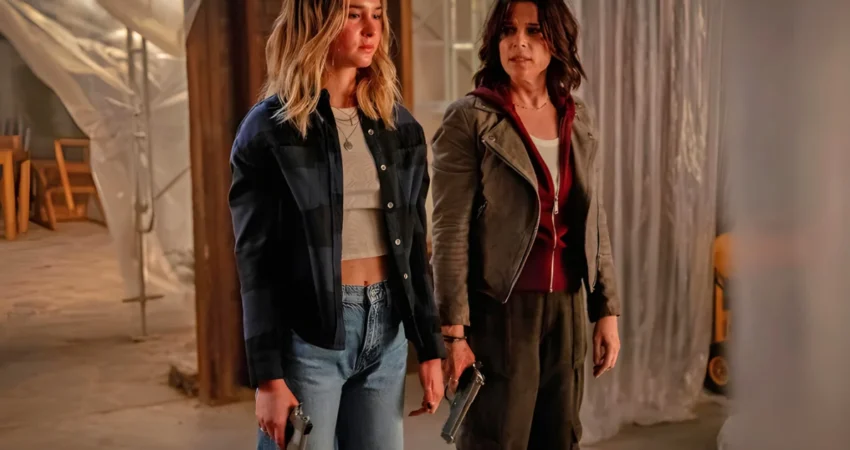
The Financial Milestone and Market Performance
The commercial trajectory of the latest installment has surpassed all previous entries in the Ghostface saga. Produced on a relatively modest budget of $45 million, the film managed to generate over $207 million at the global box office. This performance not only makes it the highest-grossing film in the series but also marks a significant achievement for the horror genre as a whole, particularly for a film released during the month of February—a period traditionally considered a "dumping ground" for studio projects.
Market analysts attribute this success to a combination of effective brand management and the strategic return of legacy characters. By crossing the $200 million threshold, the seventh film outperformed its immediate predecessor, which had previously held the record with approximately $168 million. The return on investment for the studio underscores the continued viability of the "slasher" subgenre when backed by a recognizable intellectual property and a loyal fan base.
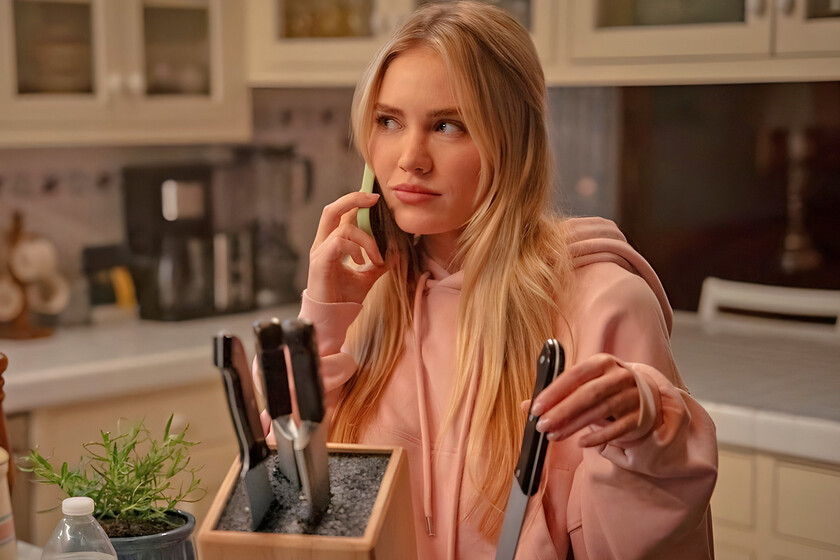
A Turbulent Production History and Creative Pivot
The road to the seventh film was paved with significant industrial friction. Following the critical and commercial success of the fifth and sixth installments, which introduced a new generation of protagonists known as the "Core Four," the franchise appeared to be moving in a new direction. However, the production was upended by the dismissal of Mexican actress Melissa Barrera, who had served as the new lead, Sam Carpenter. Her departure was followed shortly by the exit of Jenna Ortega, citing scheduling conflicts with her work on the hit series Wednesday, though industry insiders noted the timing was inextricably linked to the broader casting shakeup.
With the loss of its two primary stars and the subsequent resignation of director Christopher Landon, the production faced an existential crisis. To stabilize the project, Spyglass Media Group turned to the franchise’s history, rehiring Kevin Williamson—the screenwriter who penned the original 1996 masterpiece—to take the director’s chair. This creative shift necessitated a total overhaul of the script, moving the focus away from the "Core Four" and back toward the series’ original "Final Girl," Sidney Prescott, portrayed by Neve Campbell. Campbell’s return was a major marketing point, especially after her high-profile absence from the sixth film due to a salary dispute.
Plot Mechanics: Nostalgia and the Integration of Modern Technology
The narrative of the seventh film centers on Sidney Prescott attempting to maintain a semblance of normalcy while living with her teenage daughter, Tatum. The quiet life of the Prescott family is shattered by the emergence of a new Ghostface killer whose methods reflect the anxieties of the digital age. Unlike previous iterations that relied on simple phone calls and physical stalking, this antagonist utilizes sophisticated artificial intelligence and deepfake technology.

The killer’s psychological warfare involves creating digital replicas of deceased characters and using AI-generated voices to torment Sidney. The primary thrust of the antagonist’s plot is to convince Sidney that Stu Macher, one of the original killers from the first Woodsboro massacre, has somehow returned from the dead. This thematic focus allowed the film to operate as a "legacy sequel," frequently referencing the events of 1996 while commenting on the current landscape of digital misinformation.
The Critical and Audience Disconnect
Perhaps the most striking aspect of the film’s release is the profound polarization in its reception. According to data from the review aggregator Rotten Tomatoes, the film received a "Rotten" rating of only 29% from professional critics. The consensus among the press was that the script lacked innovation, relying too heavily on "fan service" and predictable plot twists. Critics argued that the reliance on nostalgia and the return to Sidney Prescott felt like a regression for a franchise that had recently attempted to modernize its tropes.
Conversely, the general audience responded with much greater enthusiasm, granting the film a 73% approval rating. Fans praised the increased levels of gore, the high-stakes chase sequences, and the emotional resonance of seeing Neve Campbell return to her most iconic role. The divide highlights a growing trend in franchise filmmaking where the expectations of dedicated fan bases often diverge from the criteria used by professional film critics. While critics sought a deconstruction of the genre, the audience appeared satisfied with a traditional, high-energy slasher that honored the series’ history.

Chronology of the Ghostface Franchise
To understand the impact of the seventh film, it is necessary to examine the timeline of the franchise’s evolution:
- 1996 – 2000: The Original Trilogy. Directed by Wes Craven and written by Kevin Williamson, these films established the "meta" rules of horror and made Ghostface a household name.
- 2011: The Decennial Return. Scream 4 attempted to revive the series for a new decade but saw diminishing returns at the box office, leading to an 11-year hiatus for the film series.
- 2022 – 2023: The Reinvention. The fifth and sixth films, directed by the collective known as Radio Silence, successfully introduced a new cast (the "Core Four") and updated the series for the "elevated horror" era.
- 2023 – 2024: Production Turmoil. The firing of Barrera and the exit of Ortega led to the creative restructuring of the seventh film.
- 2024: The Theatrical Release. The seventh film premiered in February, breaking franchise records.
- Present: The Streaming Debut. The film arrives on Netflix, reaching a broader global audience and cementing its status as a commercial juggernaut.
Implications for the Horror Genre and Legacy Sequels
The success of this installment offers several insights into the current state of the film industry. First, it reinforces the "bulletproof" nature of established horror brands. Even with a troubled production and poor critical reviews, the brand equity of Ghostface was enough to drive record-breaking ticket sales. This suggests that for major studios, the familiarity of a franchise often outweighs the risks associated with creative instability.
Furthermore, the film’s use of AI as a plot device serves as a reflection of real-world industry concerns. At a time when the use of artificial intelligence in filmmaking is a subject of intense debate and labor disputes, the film’s narrative choice to make AI the "villain" is a meta-commentary on the technology’s potential to distort reality and erase the human element of storytelling.

The performance of the film on Netflix also highlights the changing lifecycle of modern movies. The 225-day gap between the theatrical release and the streaming debut is longer than the current industry average, yet the film’s immediate ascent to the top of the charts suggests that a longer period of exclusivity can actually build anticipation rather than diminish interest.
Conclusion and Future Outlook
The arrival of the seventh film on Netflix marks the completion of its primary commercial cycle, having transitioned from a controversial production to a box office leader and now a streaming hit. While the critical community remains skeptical of the creative direction taken by Kevin Williamson and Spyglass Media Group, the financial data is indisputable. The franchise has proven its resilience, successfully navigating a total cast replacement and a return to its roots without losing its audience.
As the film continues to draw high viewership numbers on streaming, discussions regarding an eighth installment are already beginning to circulate within the industry. Whether the franchise will continue to lean into nostalgia or attempt another radical reinvention remains to be seen. However, for now, the Ghostface legacy remains firmly intact, buoyed by a fan base that values the traditional elements of the slasher genre over the critiques of the cinematic establishment. The seventh film stands as a testament to the power of the "Final Girl" trope and the enduring fascination with the masked killer of Woodsboro.

0 Comments