
The high-stakes fantasy landscape has reached a new turning point with the release of the third season of The Rings of Power on Amazon Prime Video. Following a period of intense scrutiny and polarized reception during its first two outings, the production team has executed a significant narrative pivot designed to realign the series with the core expectations of J.R.R. Tolkien’s dedicated fanbase. This new chapter seeks to bridge the gap between the sprawling, character-driven setup of the early seasons and the high-stakes, lore-heavy milestones that define the Second Age of Middle-earth. By accelerating the timeline and focusing on the most iconic elements of Tolkien’s mythology—specifically the forging of the One Ring and the rise of the Nazgûl—Amazon MGM Studios is making a concerted effort to solidify the show’s legacy within the broader cinematic universe originally popularized by Peter Jackson.
A Strategic Narrative Leap and the Evolution of Sauron
The third season introduces a bold structural change by implementing a five-year time jump from the conclusion of the second season. This temporal shift is a strategic decision intended to bypass secondary plot developments and place the audience directly into the heart of the escalating conflict across Middle-earth. Central to this evolution is the portrayal of Sauron. While the first season focused on the mystery of his identity through the persona of Halbrand, and the second season explored his manipulative influence over Celebrimbor under the guise of Annatar, Season 3 presents the Dark Lord in his full, undisputed power.
The narrative focus has transitioned toward the definitive act of malice: the forging of the One Ring in the fires of Mount Doom. This event serves as the mechanical and spiritual linchpin of the entire Second Age. Accompanying this rise is the corruption of the human kings, leading to the birth of the Nazgûl, the Ringwraiths who would eventually become Sauron’s most terrifying servants. By centering these specific canonical events, the showrunners are addressing long-standing criticisms regarding the show’s pacing and its perceived deviation from the source material’s most critical milestones.
Chronology of the Second Age: From Discovery to Open Warfare
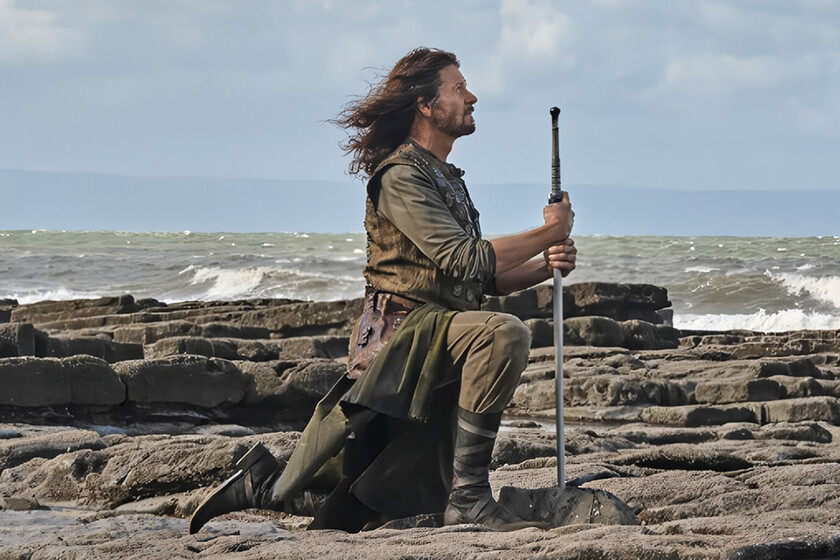
To understand the weight of the current season, one must look at the established chronology of the series thus far. The Rings of Power was conceived as a multi-season epic spanning the Second Age, an era thousands of years before the events of The Hobbit and The Lord of the Rings.
- Season 1: The Shadow Stirs. This season was characterized by the introduction of a younger, more impulsive Galadriel and the search for a hidden evil. It concluded with the revelation that the human companion Halbrand was, in fact, Sauron, and the initial forging of the three Elven rings (Narya, Nenya, and Vilya).
- Season 2: The Deception of the Smith. The narrative expanded to Eregion, where Sauron, in his "fair form" as Annatar, manipulated the master smith Celebrimbor to create the seven rings for the Dwarf-lords and the nine rings for Mortal Men. This season culminated in the Siege of Eregion, a catastrophic military loss for the Elves that signaled the start of open warfare.
- Season 3: The Shadow Over Middle-earth. Set five years later, the current season focuses on the geopolitical fallout of Eregion’s fall. It tracks the civil unrest in the island kingdom of Númenor, the strategic positioning of the Istari (specifically the character confirmed to be Gandalf), and the inevitable completion of Sauron’s master plan: the One Ring to rule them all.
This progression demonstrates a clear intent to move from the "mystery-box" storytelling of the debut season toward a more traditional, epic war narrative that mirrors the scale of Tolkien’s written appendices.
Supporting Data: The Economics and Reception of Middle-earth
The Rings of Power remains one of the most ambitious and expensive undertakings in the history of television. Amazon acquired the television rights for the franchise from the Tolkien Estate for approximately $2500 million in 2017, with a total production commitment estimated to exceed $1 billion over five seasons.
Data from the third season’s launch indicates a complex relationship between critical acclaim and audience sentiment. According to industry aggregators like Rotten Tomatoes, the series maintains a high critical approval rating of approximately 84%. Critics have frequently praised the show’s "theatrical-grade" visual effects, the complexity of its orchestral score by Bear McCreary, and the high caliber of its ensemble cast. However, the audience score remains significantly lower, hovering around 48%.
This disparity is often attributed to a vocal segment of the fanbase that has criticized the show for "forced inclusion" and creative liberties taken with the timeline. Despite these controversies, the series has been a massive commercial engine for Amazon. The first season alone was viewed by over 100 million people worldwide, making it the most-watched Amazon Original series in every region at the time of its release. Season 2 continued this trend, consistently appearing in the Nielsen Top 10 streaming charts, which provided the financial justification for the immediate and robust rollout of Season 3.
Key Character Developments and Lore Integrations
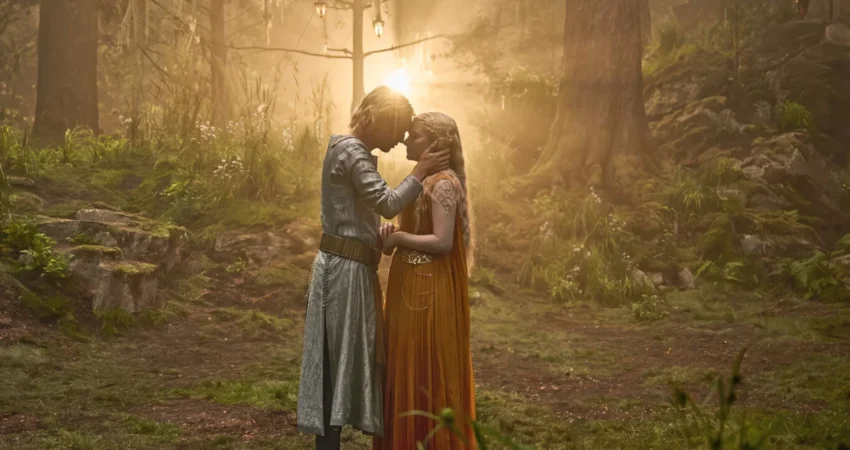
Season 3 addresses several "lore gaps" that fans have requested since the series’ inception. A major highlight is the introduction of Celeborn, Galadriel’s husband. In previous seasons, Galadriel believed Celeborn to have been lost in the wars against Morgoth. Their reunion in Season 3 is not merely a romantic subplot but a vital alignment with Tolkien’s established history, as Celeborn plays a crucial role in the leadership of the Elves during the later stages of the Second Age.
Simultaneously, the character of "The Stranger," now explicitly operating as Gandalf, begins his transformation into the strategic advisor known to fans of the Third Age. His journey into the eastern lands of Rhûn and his growing understanding of his mission as an Istar (Wizard) provide a necessary counterweight to the growing darkness in Mordor.
In the south, the decline of Númenor reaches a boiling point. The internal struggle between the "Faithful" (those who remain loyal to the Elves and the Valar) and the "King’s Men" (those who desire immortality and power) serves as a precursor to the eventual Downfall of Númenor—an event often compared to the myth of Atlantis.
Official Responses and Production Philosophy
The showrunners, J.D. Payne and Patrick McKay, have consistently maintained that their vision for the series is a "50-hour movie" spread across five seasons. In various industry statements, the production team has emphasized that the first two seasons were necessary "world-building" phases required to establish the geography and the stakes of a world that had not been seen on screen in nearly two decades.
Amazon MGM Studios executives have expressed confidence in the show’s trajectory. Head of Amazon Studios, Jennifer Salke, has noted in trade interviews that the series is a long-term investment designed to anchor the Prime Video service. The decision to release the first four episodes of Season 3 simultaneously was a tactical move to dominate the cultural conversation and allow viewers to immerse themselves in the new status quo of the story immediately. This release strategy—followed by weekly episodes for the remainder of the season—aims to build sustained momentum leading into the winter holiday season.
Broader Impact and Industry Implications
The success or failure of The Rings of Power has implications that extend far beyond Amazon’s balance sheet. It serves as a litmus test for the viability of "mega-budget" fantasy television. In a market where HBO’s House of the Dragon and Netflix’s The Witcher compete for the same demographic, The Rings of Power distinguishes itself through its PG-13 approach, focusing on high-fantasy wonder and moral archetypes rather than grimdark cynicism.
Furthermore, the series exists in a unique legal and creative space. While it serves as a thematic prequel to Peter Jackson’s films, it is produced by a different entity (Amazon vs. Warner Bros./New Line Cinema). However, with Warner Bros. currently developing new films, such as The Hunt for Gollum, the pressure on Amazon to maintain a "cinematic standard" is higher than ever.

As Season 3 progresses toward the climactic events of November 25, when the final episodes are set to air, the industry will be watching closely. If the series succeeds in winning over the skeptical portion of its audience through its more focused, lore-heavy approach, it will secure its place as a cornerstone of modern fantasy. If the divide between critics and fans persists, it may serve as a cautionary tale about the complexities of adapting the world’s most beloved literary mythologies in a fragmented digital age. For now, the return to Middle-earth offers a visually stunning, emotionally complex exploration of how power corrupts and how the smallest actions can change the course of history.

0 Comments