
 Jia Lissa
TikTok sensation and burgeoning music artist Alex Warren recently opened up about a "horrifying" technical mishap during his highly anticipated performance at the annual Grammy Awards, revealing on the popular podcast "Call Her Daddy" that the experience was so distressing he contemplated abandoning the remainder of the prestigious ceremony. The incident, which occurred during the Best New Artist medley, saw Warren battling severe audio issues, leading to a noticeable timing delay against the backing track and leaving him "holding back tears" on stage. The candid interview, published on March 11, 2026, sheds light on the immense pressure and unexpected challenges faced by artists in high-stakes live broadcast environments.
Alex Warren’s Ascent to the Grammy Stage
Alex Warren’s journey to a Grammy nomination for Best New Artist is a testament to the evolving landscape of the music industry. Originally rising to prominence as a co-founder of the Hype House, a collaborative content creation hub on TikTok, Warren successfully leveraged his massive social media following into a burgeoning music career. His authentic storytelling and relatable lyrics quickly resonated with a broad audience, culminating in the release of hit singles like "Ordinary." The Best New Artist category at the Grammy Awards is one of the most coveted accolades in music, often serving as a launchpad for long and successful careers. Past winners include a diverse array of artists who have gone on to achieve global superstardom, making the nomination itself a significant validation of an artist’s potential and impact. For Warren, this nomination represented a pivotal moment, signaling his transition from a social media influencer to a respected musical artist within the industry. The opportunity to perform on the Grammy stage, a platform viewed by millions worldwide, carried immense weight and expectation, both from his burgeoning fanbase and from the industry at large.
The "Horrifying" Grammy Performance: A Detailed Account
The lead-up to any Grammy performance involves weeks, if not months, of meticulous planning, technical rehearsals, and creative development. Artists typically undergo multiple sound checks and full stage run-throughs to ensure every aspect of their live presentation is flawless. For a segment as crucial as the Best New Artist medley, where multiple artists perform back-to-back, the coordination is exceptionally complex. Warren, like his fellow nominees, would have dedicated significant time to perfecting his segment, eager to make the most of this career-defining opportunity.
However, despite these extensive preparations, the live broadcast proved to be a different beast. Warren recounted the chaotic moments leading up to his performance to "Call Her Daddy" host Alex Cooper. "Something happened and everything cut out," he explained, describing a sudden and complete loss of audio feedback. In the high-pressure environment of live television, communication with stage crew is constant but often frantic. Warren recalled being told, "30 seconds," as he desperately tried to relay his critical issue: "I can’t hear anything. I can’t hear myself." The crew’s response, "It’s live TV. 25 seconds," underscored the unyielding nature of the broadcast schedule, leaving no room for error or delay.
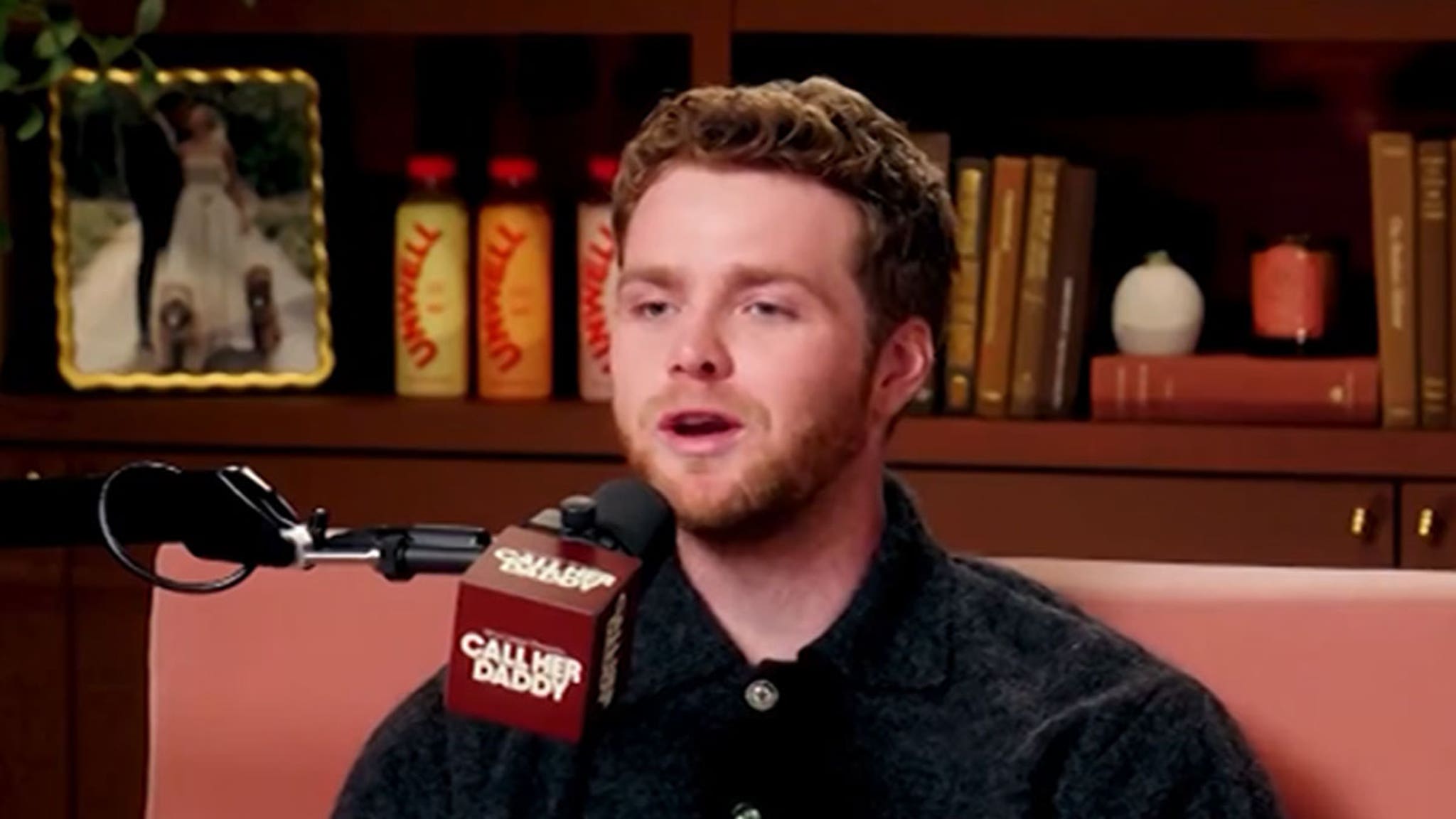
As the clock ticked down, the situation escalated. "They’re like, ‘It’s your ears, it’s your ears. It’s your pack, it’s your pack. 15 seconds! 10 seconds!’" Warren detailed, highlighting the frantic attempts to diagnose the problem while he was seconds away from performing. The audio he was hearing was a jumbled mess: his own voice too loud at times, then complete silence, then the backing track out of sync. This auditory disarray made it virtually impossible to maintain timing or pitch, leading to the visible struggle that viewers witnessed. The technical glitch created a disorienting and isolating experience for the artist, turning a dream performance into a nightmare of uncertainty and public vulnerability. The emotional toll was immediate and profound, with Warren admitting he was "holding back tears" as he tried to power through.
Immediate Aftermath and Peer Support
The emotional fallout for Warren was intense. "Once that happened, I was like, ‘Damn, I wanna go home,’" he confessed, a sentiment many could understand given the public nature of the ordeal. In the immediate aftermath, Warren took to TikTok, the very platform that launched his career, to vent his frustration and disappointment. This raw, unfiltered reaction was characteristic of his online persona, but the intensity of his feelings was evident. He revealed to Cooper that after posting the video, he "threw my phone" and temporarily deleted his social media, seeking a moment of respite from the inevitable scrutiny and commentary.
Amidst his distress, however, Warren found solace and support from fellow artists who understood the unique pressures of the music industry. He specifically highlighted the kindness of Best New Artist nominee Chappell Roan. "Chappell 100% saw that I was just, like, distraught. She came up to me and it was the sweetest. I will never forget how sweet she was because of that," Warren recounted. This moment of solidarity from a peer underscored the camaraderie that can exist even in competitive environments. Another artist, Laufey, offered a crucial perspective that helped Warren reframe the experience. She reportedly told him, "You don’t know how many people you just helped," suggesting that his public struggle and resilience could resonate deeply with others facing their own challenges, turning a perceived failure into an unexpected moment of connection and inspiration. These interactions highlight the human element behind the glitz and glamour of awards ceremonies, demonstrating that even under intense pressure, compassion and understanding can prevail.
Technical Analysis: Unpacking the Glitch
The precise cause of the technical malfunction during Alex Warren’s Grammy performance remains officially undisclosed, but his speculation about "radio frequency interference" points to common culprits in live sound. In-ear monitors (IEMs) and wireless microphone packs are crucial for modern stage performances, providing artists with a clear, personalized audio mix of their vocals, instruments, and backing tracks. A failure in either system can be catastrophic.

- In-Ear Monitor (IEM) Issues: IEMs transmit audio wirelessly from a monitor engineer’s console to receivers worn by the artist. Disruptions can arise from:
- Radio Frequency (RF) Interference: The Grammy Awards venue is a dense RF environment, with hundreds of wireless devices (microphones, IEMs, video transmitters, communication systems) operating simultaneously. Interference from conflicting frequencies or unexpected signals can cause dropouts, static, or complete signal loss.
- Battery Failure: A low or faulty battery in the artist’s receiver pack can lead to intermittent audio or total power loss.
- Transmitter/Receiver Malfunction: Hardware failures in either the transmitter sending the signal or the receiver pack worn by the artist can occur.
- Cable Damage: Even though wireless, the connection between the receiver pack and the earpieces themselves can be compromised.
- Wireless Microphone Pack Issues: Similar to IEMs, wireless microphone systems are susceptible to RF interference, battery issues, or hardware failure. If Warren’s microphone signal was cutting out, it would significantly impact his ability to hear himself and deliver a cohesive vocal performance.
- Monitor Mix Console Problems: While less likely to affect only one artist in a medley, issues at the monitor engineer’s console – such as a misrouted channel, a faulty fader, or a software glitch – could also contribute to an artist’s inability to hear their mix.
The Grammy Awards production is renowned for its state-of-the-art technical infrastructure and highly experienced crews. Redundancy systems are typically in place for critical components like wireless audio to mitigate the impact of single-point failures. For instance, multiple frequency backups for wireless systems, fresh batteries for every performance, and rigorous pre-show testing are standard protocols. Despite these extensive measures, the sheer complexity and dynamic nature of live television broadcasts mean that unforeseen technical difficulties, though rare, are not entirely preventable. High-profile incidents of technical glitches, such as Mariah Carey’s infamous New Year’s Eve performance where she couldn’t hear her track, or even past Grammy moments where audio cut out for certain segments, underscore that even the most meticulously planned events can fall victim to the unpredictable nature of live technology. These occurrences serve as stark reminders of the delicate balance between cutting-edge technology and the unpredictable variables of a live broadcast.
Broader Implications and Industry Reflection
While the Recording Academy does not typically issue public statements on specific technical issues during performances, such incidents undoubtedly trigger internal reviews. Post-mortem analyses are standard practice in large-scale productions to identify the root cause of any malfunction and implement preventative measures for future events. For an organization like the Grammys, maintaining its reputation for flawless, high-quality broadcasts is paramount, making such investigations critical.
For Alex Warren, the initial fear of career damage following the snafu appears to be giving way to a more nuanced reality. In an era where authenticity and relatability are highly valued, his public vulnerability might paradoxically strengthen his connection with his fanbase. His "Ordinary" song, which speaks to the universal experiences of life, gains an added layer of meaning when viewed through the lens of his very public, very "ordinary" struggle with a live performance gone wrong. Rather than being seen as a failure, the incident has highlighted his human side, enduring immense pressure with grace and resilience. This narrative can be powerful, demonstrating that even artists at the pinnacle of their careers are not immune to setbacks.
The incident also serves as a broader lesson for the entire live broadcast industry. It underscores the persistent challenges of managing complex technical systems under immense pressure and the critical importance of robust contingency planning. While technological advancements have revolutionized live performances, the human element—the performer’s ability to adapt and cope under duress—remains irreplaceable. Furthermore, the supportive reactions from fellow artists like Chappell Roan and Laufey emphasize the importance of community and empathy within a highly competitive industry. In a world increasingly driven by curated perfection, Alex Warren’s Grammy moment, imperfect as it was, has offered a raw and honest glimpse into the realities of live performance, ultimately resonating with many beyond the immediate technical fault. It’s a powerful reminder that sometimes, the most memorable moments are those where vulnerability shines through.
In conclusion, Alex Warren’s "horrifying" Grammy experience, while deeply distressing at the time, has evolved from a moment of public setback into a testament to his resilience and authenticity. His candid revelations on "Call Her Daddy" have not only provided a rare glimpse behind the curtain of a major awards show but have also fostered a deeper connection with his audience. By openly sharing his struggle and the emotional toll it took, Warren has transformed a technical glitch into a narrative of human perseverance, proving that even in the face of unexpected adversity on the world’s biggest stage, an artist’s true character can shine through.


 Eva Lovia
 Julia Chirkova
 Julia Prastini
 Nila Kartika Wati
 Lina Irawan