
 Lana Rhoades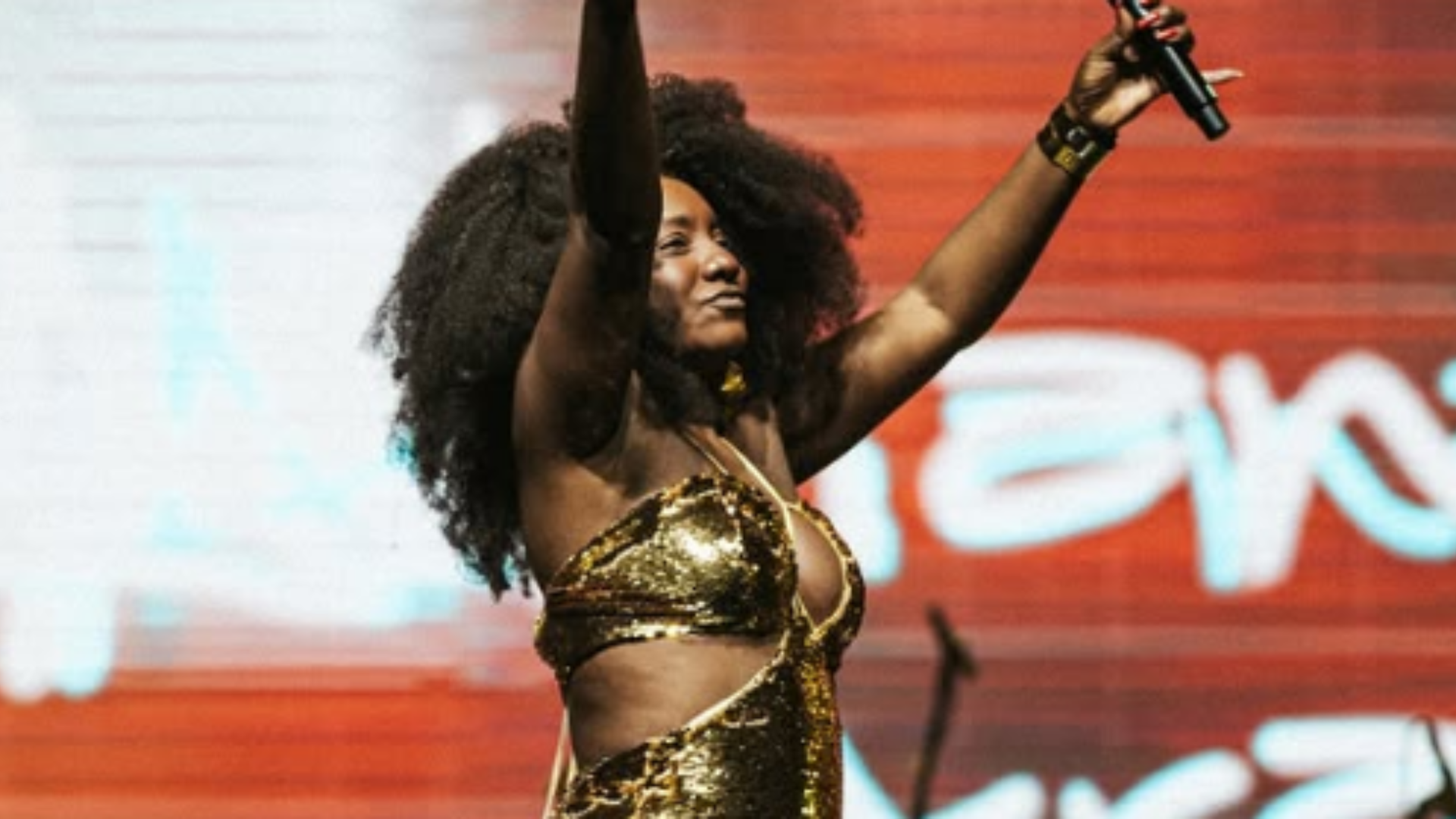
The vibrant music scene of Minas Gerais is currently enveloped in a profound sense of apprehension and sorrow following the grave health emergency involving one of its most cherished voices. Adriana Araújo, a celebrated samba singer widely acknowledged as a pivotal figure in the state’s musical landscape, was admitted to the hospital in a critical state after suffering a cerebral aneurysm on the night of Saturday, February 28. The somber news was officially disseminated on Sunday, March 1, through the artist’s own social media channels, triggering an immediate and widespread outpouring of concern and solidarity from her devoted fanbase, fellow musicians, and cultural luminaries across Brazil.
A Sudden and Severe Health Crisis
The incident unfolded with alarming swiftness, casting a pall over the cultural community. According to the official statement released by her family and team, Adriana Araújo experienced a sudden onset of illness at her home. The precise symptoms leading up to the event were not detailed, but the situation rapidly escalated, culminating in her collapse. Following the medical emergency, she was promptly transported to a local Unidade de Pronto Atendimento (UPA), a primary emergency care facility, for initial assessment and stabilization. Given the severity of her condition, the medical team at the UPA quickly determined the necessity for specialized care. She was subsequently transferred to the Hospital Odilon Behrens, a prominent public hospital located in the Noroeste region of Belo Horizonte, known for its comprehensive medical services.
Upon her arrival at the Hospital Odilon Behrens, a series of urgent diagnostic tests were performed to ascertain the nature and extent of her medical crisis. These examinations conclusively revealed a cerebral aneurysm, which had tragically ruptured, leading to a hemorrhage of significant proportion within her brain. The medical report detailed that since the diagnosis, Adriana Araújo has been in a coma, requiring mechanical ventilation through intubation, and remains under the vigilant and intensive care of the hospital’s medical team. The prognosis provided by the attending physicians was stark, classifying her situation as "gravíssimo e irreversível" (extremely critical and irreversible), a declaration that underscored the profound severity of her condition while acknowledging the ongoing efforts of the medical staff to monitor her evolution. This medical classification typically indicates a devastating neurological injury with a very poor likelihood of recovery, though families often hold onto hope in such dire circumstances.
Understanding Cerebral Aneurysms and Their Impact
A cerebral aneurysm, often referred to as a brain aneurysm, is a weak, bulging spot on a blood vessel in the brain, much like a thin balloon or a blister. These aneurysms can develop due to thinning artery walls and are often present without symptoms. However, when an aneurysm ruptures, it causes blood to spill into the spaces around the brain, a condition known as a subarachnoid hemorrhage. This event is a medical emergency that can lead to severe brain damage, stroke, coma, or death.
Statistics from the World Health Organization and various neurological societies indicate that ruptured cerebral aneurysms are relatively rare but devastating events. They affect approximately 3% to 5% of the general population, with about 30,000 cases of ruptured aneurysms occurring annually in the United States alone. Globally, the incidence varies, but the mortality rate following a ruptured aneurysm is alarmingly high, with about 40% of cases proving fatal. Of those who survive, a significant percentage experience permanent neurological deficits, ranging from cognitive impairments to severe physical disabilities. Factors such as high blood pressure, smoking, family history, and certain genetic disorders can increase the risk of developing an aneurysm. However, many individuals with aneurysms have no identifiable risk factors, and their rupture can occur without warning, as appears to be the case with Adriana Araújo. The extensive hemorrhage reported in her diagnosis points to a particularly severe rupture, placing immense pressure on brain tissue and compromising vital functions, necessitating the intensive life support she is currently receiving.
A Life Dedicated to Samba and Resistance
In the wake of this devastating news, Adriana Araújo’s family issued a heartfelt plea for privacy, respect, and, most importantly, prayers during this exceptionally delicate period. Their statement, imbued with both raw emotion and profound faith, read: "Despite the medical diagnosis, we continue in prayer, believing that the final answer is from God. We ask for respect, sensitivity, and prayers. The family and team deeply appreciate all the affection and support we have received." This message resonated deeply with her followers, who immediately mobilized online, sharing messages of hope, strength, and collective prayer.
Born in 1976 within the vibrant and historically significant community of Pedreira Prado Lopes, nestled in the Lagoinha region of Belo Horizonte, Adriana Araújo’s life and artistic journey were inextricably linked to the rhythms and narratives of samba. Her upbringing in such a culturally rich and resilient neighborhood undoubtedly shaped her artistic sensibilities, instilling in her a deep appreciation for the music’s power to tell stories, express identity, and foster community. Pedreira Prado Lopes, like many peripheral communities in Brazil, is a cradle of popular culture, where music, dance, and oral traditions thrive as forms of expression and resistance.

Before embarking on her distinguished solo career, Adriana honed her craft and gained significant recognition as an integral member of the group Simplicidade Samba. This formative experience allowed her to immerse herself in the genre, performing in traditional samba circles (rodas de samba) that are the heart and soul of the Brazilian samba tradition. These rodas are not merely performances but communal gatherings where musicians and audiences interact, celebrating life, history, and camaraderie through spontaneous music-making. Her presence in these rodas across Belo Horizonte solidified her reputation as a powerful and authentic voice within the local samba scene.
In 2020, Adriana Araújo took a decisive step forward, launching her solo career. This transition marked a new chapter, allowing her to explore personal themes and narratives with greater artistic autonomy. The culmination of this effort arrived in 2021 with the release of her critically acclaimed album, "Minha Verdade" (My Truth). The album was a profound artistic statement, featuring original compositions that delved deeply into themes of ancestry, identity, and resilience – subjects that resonate profoundly within the Afro-Brazilian experience and the broader cultural fabric of Brazil. "Minha Verdade" was more than just a collection of songs; it was a testament to her heritage, a celebration of her roots, and a powerful assertion of her unique perspective as a Black woman in Brazilian music. The album garnered significant praise for its lyrical depth, musicality, and Adriana’s commanding vocal delivery, further cementing her status as a significant artist.
Throughout her illustrious career, Adriana Araújo had the distinct honor of sharing the stage with some of the most revered figures in Brazilian music. Her collaborations and performances alongside legends such as Leci Brandão and Jorge Aragão are testament to her standing and respect within the samba community. Leci Brandão, an iconic singer, composer, and politician, is celebrated for her powerful voice and her unwavering commitment to social justice and the Black movement. Jorge Aragão is another samba giant, renowned for his smooth vocals and timeless compositions. Sharing a stage with such luminaries is not merely an achievement; it is an affirmation of an artist’s caliber and their place within the pantheon of samba. These experiences further solidified Adriana’s position as a respected and influential female voice in a genre that, while rich in diversity, has historically seen male artists dominate the mainstream spotlight. She represented a growing wave of women who are not only excelling in samba but also redefining its narratives and broadening its appeal, challenging traditional gender roles within the music industry.
Solidarity and Widespread Concern
The news of Adriana Araújo’s critical condition sent shockwaves throughout the Brazilian artistic community and beyond. Tributes and messages of support flooded social media platforms, with fellow musicians, cultural producers, journalists, and fans expressing their profound sorrow and fervent hopes for her recovery. Social media became a virtual space for collective grief and solidarity, with hashtags dedicated to her recovery trending across platforms. Many artists shared past collaborations, photographs, and personal anecdotes, highlighting her kindness, professionalism, and undeniable talent. The collective outpouring underscored the deep affection and respect she commanded, not only for her musical prowess but also for her character and spirit.
Cultural institutions in Minas Gerais and national media outlets also quickly covered the unfolding tragedy, emphasizing her importance to Brazilian culture. Her struggle served as a poignant reminder of the fragility of life and the deep emotional connection between artists and their audiences. The unified response from the public and her peers demonstrated that Adriana Araújo was more than just a singer; she was a cultural ambassador, a voice for her community, and an inspiration to many aspiring artists. Prayer chains and online vigils were organized, reflecting the widespread desire for a miracle, even in the face of a grim medical prognosis.
The Enduring Legacy and Broader Implications
Regardless of the eventual outcome of her health battle, Adriana Araújo’s musical legacy is unequivocally secure. Her contributions to samba, particularly within the context of Minas Gerais, have left an indelible mark. Her album "Minha Verdade" will continue to resonate as a powerful statement on identity and ancestry, inspiring future generations of artists to explore their own truths through music. Her courageous step into a solo career, her dedication to authentic storytelling, and her collaborations with samba legends have cemented her place as a significant figure in Brazilian popular music.
This tragic event also serves as a stark reminder of the importance of health awareness and the often-unpredictable nature of serious medical conditions like cerebral aneurysms. While often silent until rupture, such events underscore the need for vigilance regarding personal health and access to timely medical care. For artists, whose lives are often demanding and characterized by irregular schedules and intense creative pressures, the importance of physical and mental well-being cannot be overstated.
Adriana Araújo’s journey from the heart of Pedreira Prado Lopes to sharing stages with national icons exemplifies the power of talent, perseverance, and cultural rootedness. Her potential absence from the stage would undoubtedly leave a void in the Minas Gerais samba scene, but her music, her spirit, and the narratives she championed will continue to echo. She has paved the way for other female artists, demonstrating that authenticity and a commitment to one’s roots can lead to profound artistic success and widespread adoration. The collective hope remains that, against all medical odds, Adriana Araújo might yet defy the dire prognosis, but her place in the pantheon of Brazilian music is already firmly established, a testament to her vibrant voice and unwavering spirit.




 Raisa Andriana
 Eva Lovia
 Julia Chirkova
 Nila Kartika Wati
 Jia Lissa