
 Julia Chirkova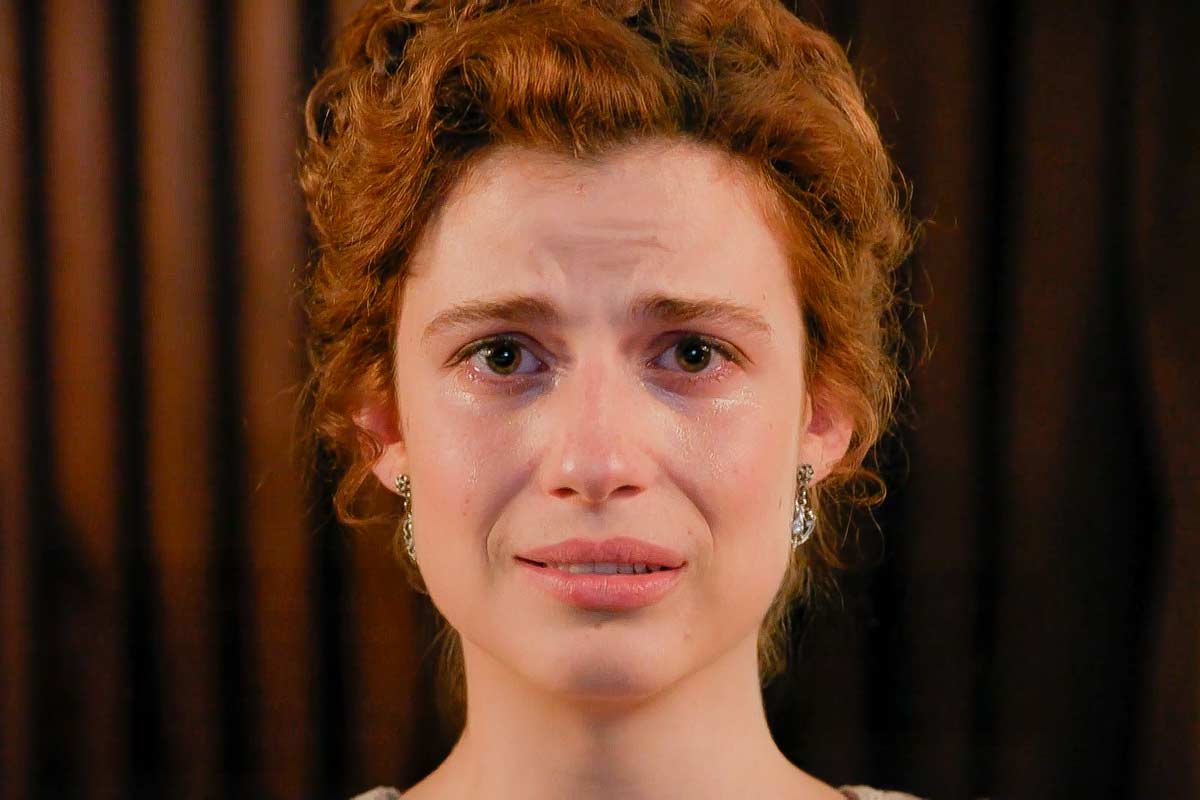
The shocking demise of Adriana, a pivotal character in the acclaimed television series "Valle Salvaje," sent ripples of disbelief and intense speculation through its dedicated fanbase. For weeks following the episode, a fervent debate simmered online and within fan forums: was Adriana’s departure a narrative device orchestrated by the show’s writers, or a personal choice made by the actress herself, Rocío Suárez de Puga? Now, in a candid and illuminating interview conducted alongside the series’ creator, Josep Cister, Suárez de Puga has definitively addressed the mystery, revealing the deeply personal motivations behind her decision to bid farewell to the character that had captivated audiences for two impactful seasons.
The interview, broadcast in a special segment immediately after the poignant episode marking Adriana’s exit, provided an unprecedented glimpse into the creative and emotional processes that led to one of the season’s most devastating plot twists. Both Suárez de Puga and Cister elaborated on the genesis of Adriana’s departure, shedding light on the authentic reasons behind a storyline that undeniably reshaped the trajectory of "Valle Salvaje."
A Personal Culmination: Rocío Suárez de Puga’s Decision to Conclude Adriana’s Arc
Contrary to the theories suggesting a script-driven mandate, it was Rocío Suárez de Puga herself who felt a profound sense of completion regarding her character’s journey. The actress disclosed that a pivotal moment of realization occurred during the filming of Julio’s death scene. This was a period when the confirmation of a third season for "Valle Salvaje" was already a certainty, adding a layer of foresight to her contemplation.
It was in this charged atmosphere that a significant internal shift, described by Suárez de Puga as a "click," took place. She articulated a deeply felt sense that Adriana’s narrative arc had reached its natural and fulfilling conclusion. The character, she explained, had imparted all she was meant to, and the actress felt she had exhausted the creative avenues available to her within that particular storyline.
"This is a character who has given me so much," Suárez de Puga stated during the conversation with Cister. "I feel I have fulfilled all my missions with her, and it represents a beautiful ending." This sentiment underscores a mature artistic perspective, where the focus shifts from prolonging a role to ensuring its integrity and the actor’s own creative evolution.
The Weight of Daily Production: Fatigue and the Desire to End on a High Note
Beyond the narrative completeness, a significant, tangible factor played a crucial role in Suárez de Puga’s decision: the relentless pace of daily television production. The demanding schedule inherent in producing a daily series requires an unwavering level of energy and commitment, and Rocío openly admitted to experiencing considerable fatigue.
Her intention was never to depart from the project feeling depleted or burnt out. Instead, she harbored a strong desire to make her exit at a moment when she could still feel genuine pride and affection for the project and her contribution to it. "I wanted to leave at a point where I could depart content, eager to return, and without feeling further exhausted," she explained. This reflects a strategic approach to career management, prioritizing sustainable engagement and creative satisfaction over prolonged, potentially draining commitments.
This feeling of being at "precisely the right moment" proved to be the decisive factor. The actress emphasized that she would miss the character and the experience dearly, but she also felt a profound sense of satisfaction with the work accomplished. This emotional state, she believes, is fundamental to successfully closing such a significant chapter in her professional life.
A Coherent and Dignified Farewell: Adriana’s Exit Aligns with Her Character
The circumstances of Adriana’s death during childbirth were not a spontaneous narrative contrivance. Josep Cister outlined the creative rationale behind the chosen conclusion, emphasizing its congruence with the historical period depicted in the series and Adriana’s established character trajectory. The series, set in a richly detailed historical context, often explored the societal constraints and vulnerabilities faced by women of that era.
For Rocío Suárez de Puga, the absence of a violent or vengeful end for Adriana was paramount. The fact that Adriana’s departure was framed as a peaceful passing allowed the actress to achieve a similar sense of internal peace regarding her exit. "I find it very beautiful that it wasn’t a murder. I was able to close it peacefully because Adriana was departing peacefully," the actress affirmed. This highlights the importance of character consistency and thematic resonance in storytelling, particularly when dealing with sensitive plot points.
The "Valle Salvaje" narrative has consistently explored themes of resilience, love, and loss. Adriana’s character, in particular, was portrayed as a woman ahead of her time, embodying strength and a fierce determination in the face of adversity. Her death, while tragic, was presented as a natural, albeit heartbreaking, consequence of the period’s limited medical understanding and the inherent risks associated with childbirth. This approach allowed the writers to maintain the show’s dramatic integrity while affording the character a dignified and emotionally resonant exit.
A Defining Period: Two Years That Shaped Rocío Suárez de Puga’s Career
"Valle Salvaje" marked a significant turning point in Rocío Suárez de Puga’s career, representing her first major leading role in television. For two years, the character of Adriana served as the emotional nucleus of the series, embodying a complex tapestry of love, loss, and unwavering resilience. She was depicted as a woman of immense strength, navigating the challenges of her era with a spirit that resonated deeply with viewers.
Adriana’s journey through the series explored themes of social inequality, personal ambition, and the enduring power of human connection. Her relationships, particularly with the male leads, were central to the dramatic tension and emotional core of the narrative. The character’s development mirrored the broader societal shifts and evolving roles of women, making her a relatable and aspirational figure for many.
Suárez de Puga’s portrayal was lauded for its depth, nuance, and emotional authenticity, earning critical acclaim and a devoted following. Her ability to convey Adriana’s vulnerabilities, her fierce determination, and her capacity for profound love cemented her status as a rising star in the Spanish television landscape. The character’s evolution from a seemingly naive young woman to a formidable force within her community was a testament to both the writing and Suárez de Puga’s compelling performance.
The series’ setting, a fictionalized yet historically grounded region, provided a rich backdrop for Adriana’s story. The intricate relationships, the underlying power struggles, and the backdrop of significant historical events all contributed to the compelling narrative. Adriana’s presence was instrumental in driving these storylines forward, making her absence a palpable void in the series’ future.
The Impact of Adriana’s Departure
Adriana’s departure from "Valle Salvaje" has far-reaching implications for the series. The character’s influence permeated nearly every major storyline, acting as a catalyst for significant plot developments and character interactions. Her absence will undoubtedly necessitate a reorientation of narrative threads and the exploration of new dramatic avenues.
The emotional impact on other characters is also a crucial consideration. Adriana’s relationships with other key figures in "Valle Salvaje" were complex and deeply intertwined. Her death will undoubtedly leave a void in the lives of those closest to her, prompting new emotional arcs and challenges as they navigate grief and adapt to a world without her presence. This presents an opportunity for the remaining cast to delve into new facets of their characters, exploring their resilience and their capacity to forge ahead in the face of profound loss.
From a production standpoint, the departure of a lead actor, especially one so integral to the show’s identity, often signifies a shift in the creative landscape. Josep Cister and his writing team face the considerable task of maintaining audience engagement and narrative momentum without their central protagonist. This will likely involve the introduction of new characters, the development of existing ones, and the exploration of fresh thematic territories.
The success of "Valle Salvaje" has been built on its compelling characters and intricate plotting. Adriana’s exit, while personally driven and narratively justified, represents a significant challenge that will test the creative adaptability of the series. The fans’ strong emotional connection to Adriana and Rocío Suárez de Puga’s performance means that the series will need to work diligently to retain its audience and continue to deliver the quality storytelling they have come to expect.
In conclusion, the departure of Adriana from "Valle Salvaje" was not a narrative necessity imposed by the writers but a deeply personal and considered decision by Rocío Suárez de Puga. Her desire to conclude the character’s arc at a moment of creative fulfillment and to manage the demands of daily television production underscores a thoughtful approach to her career. While her exit marks the end of a significant era for the series and its audience, it also signifies a new beginning for Suárez de Puga, poised for future endeavors, and a new narrative phase for "Valle Salvaje" as it navigates the profound impact of Adriana’s absence. The actress’s candid explanation provides a poignant and satisfying resolution to the speculation, offering a testament to her dedication to her craft and her respect for the character she so memorably embodied.


 Raisa Andriana
 Eva Lovia
 Nila Kartika Wati
 Lana Rhoades
 Jia Lissa