
 Candice Horbacz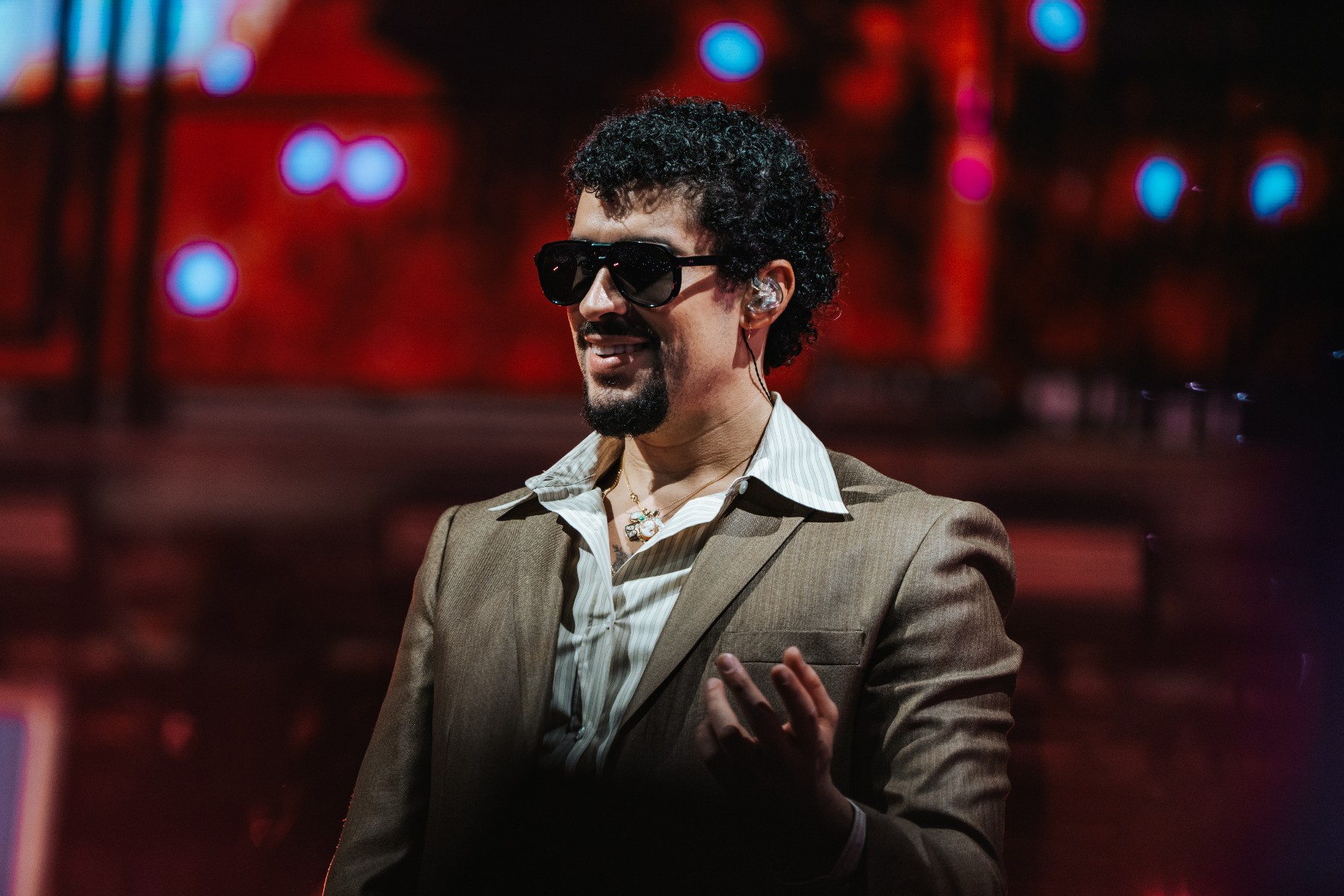
Bad Bunny, the global music phenomenon born Benito Antonio Martínez Ocasio, continued his record-breaking "Most Wanted Tour" with a poignant stop in Brazil, marking his first-ever performances in the South American nation. During the second of two sold-out shows at Allianz Parque in São Paulo on February 21st, the Puerto Rican artist paid a deeply symbolic tribute to the late Brazilian soccer icon, Pelé, by wearing the legendary player’s authentic jersey from the 1966 World Cup in England. This sartorial homage resonated profoundly, transcending the boundaries of music and sport and underscoring the enduring legacy of one of football’s greatest figures.
A Symbolic Gestures on Brazilian Soil
The choice of the 1966 World Cup jersey was not merely a fashion statement but a carefully considered act of cultural reverence. Pelé, often hailed as the "King of Football," remains an unparalleled icon in Brazil and a globally recognized figure whose influence extends far beyond the sport. For Bad Bunny to don this specific jersey in Brazil, a nation synonymous with Pelé’s unparalleled achievements, amplified the significance of the gesture. The artist’s decision to connect with Brazilian fans through a symbol deeply intertwined with their national hero speaks volumes about his understanding of cultural heritage and his respect for influential Latin American figures.
Jersey collector Cassio Brandão, who loaned the precious artifact to Bad Bunny, elaborated on the profound meaning behind the tribute. "It’s a great celebration about Brazil, an understanding from Benito on how much Pelé, like I said, a Black Brazilian man, Latin American, is important to the formation of what we are as a society," Brandão stated in a video shared by the Associated Press. He further emphasized the care taken with the jersey, noting, "Benito took very good care of the piece. It came back only with sweat… wet with sweat." This detail underscores the artist’s active engagement with the jersey, turning it into a living testament to the performance and the tribute.
The Collector’s Perspective and the Jersey’s Provenance
Cassio Brandão, a distinguished collector with an impressive archive of over 7,000 historical soccer memorabilia and jerseys, including 115 items belonging to Pelé, expressed his satisfaction with the artist’s stewardship of the garment. "Bad Bunny took very good care of the piece," Brandão affirmed, adding that the jersey was returned "perfect, in the same condition. They were very careful. It returned in the same suitcase." This meticulous handling by Bad Bunny and his team ensures the preservation of a significant piece of sporting history, allowing its story to continue through such impactful cultural moments. The 1966 World Cup marked a pivotal point in Pelé’s career, even though Brazil did not emerge victorious. The jersey itself carries the weight of that era and Pelé’s enduring presence on the global stage.

Musical and Lyrical Homages
Bad Bunny’s tribute extended beyond his attire. During his performance of the hit song "Monaco," the artist subtly altered the lyrics to honor Pelé. Instead of referencing contemporary football superstars, he sang, "es como meter un gol después de Pelé y Maradona," which translates to "it’s like scoring a goal after Pelé and Maradona." This lyrical modification served as a direct acknowledgement of Pelé’s status as a foundational figure in the pantheon of footballing legends, placing him alongside Diego Maradona as an undisputed titan of the sport. This creative adaptation demonstrated a deep appreciation for Pelé’s legacy and his impact on footballing greatness.
Official Recognition and the Power of Connection
The touching tributes did not go unnoticed. Pelé’s official Instagram account posted a heartfelt message on February 22nd, expressing gratitude to Bad Bunny. The post read, in part, "Bad Bunny proved that football is all about music and joy. In his two concerts in Brazil, he paid tribute to our eternal King. And that says a lot. About respect. About legacy. About how football transcends borders, languages, and generations. Pelé was always a man of the world. And when a Latin artist of Bad Bunny’s stature honors the King on Brazilian soil, we understand that the crown continues to shine. Thank you for the tribute, Benito. Music connects people. So does football." This statement from Pelé’s estate further solidified the significance of the gesture, highlighting how music and sports serve as powerful unifying forces.
A Moment of Reflection for Another Legend
In addition to honoring Pelé, Bad Bunny took another significant moment during his São Paulo concerts to acknowledge the passing of salsa icon Willie Colón. Colón, a legendary figure in Latin music, died at the age of 75 on February 21st. Bad Bunny was heard speaking in Spanish during his performance, expressing his condolences and respect for Colón’s contributions to music. "Today, one of the legends who contributed to this beautiful and legendary genre passed away," he stated in a fan-filmed video. "So, on behalf of myself and Los Sobrinos, we wish Willie Colón peace. Much strength to his family. The inspiration of so many of these great musicians who left their mark on this earth will never die as long as there are talented young people like those here, keeping the music, salsa and all Caribbean rhythms alive." This dual acknowledgment showcased Bad Bunny’s deep connection to Latin culture and his commitment to honoring influential artists across various disciplines.
The "Most Wanted Tour" Continues
The "Most Wanted Tour" is a testament to Bad Bunny’s global appeal and his ability to connect with diverse audiences. Following his successful engagement in Brazil, the tour was scheduled to continue with performances in Australia and Japan. Dates in Sydney on February 28th and March 1st at Engie Stadium were set to mark his first-ever concerts in Australia, followed by a performance in Tokyo on March 7th, his debut in Japan as well. These international dates further underscore his status as a global music ambassador, capable of captivating audiences worldwide.
The tour’s success in Brazil, marked by these profound tributes, highlights a broader trend of artists engaging with cultural heritage and honoring influential figures. Bad Bunny’s ability to weave these moments of respect and remembrance into his performances not only enriches his concerts but also serves as a powerful reminder of the interconnectedness of art, culture, and sport. The echoes of Pelé’s legacy, amplified by Bad Bunny’s heartfelt homage, continue to resonate, proving that true icons transcend time and discipline, leaving an indelible mark on generations to come. The sweat-soaked jersey from 1966, worn by a contemporary music superstar, became a powerful symbol of this enduring legacy.


 Jia Lissa
 Raisa Andriana
 Eva Lovia
 Julia Chirkova
 Nila Kartika Wati
 Lana Rhoades